





















Apollo 13's Manual Navigation: How Astronauts Used a Wristwatch and the Earth's Terminator to Return Home
By
By Space Daily Editorial Team · Editorial process

Slow-proofed and worth the wait. Worth its weight in flour.
Summary
The article recounts the dramatic story of Apollo 13's return to Earth in April 1970, focusing on the critical final navigation maneuver. With the Apollo Guidance Computer shut down to conserve battery power for reentry, the crew had to manually orient their spacecraft using the Earth's terminator (the line between day and night) as a visual reference. Commander Jim Lovell held the lunar terminator in a window crosshair while the crew timed a critical 14-second engine burn using an Omega Speedmaster wristwatch. The article details the ingenuity, precision, and calm under pressure that allowed the astronauts to successfully refine their trajectory and return safely to Earth despite catastrophic equipment failures.
Key quotes
· 3 pulledThe cabin temperature had dropped to near freezing. The guidance computer was off. The navigation platform that normally told the spacecraft which way it was pointing in three-dimensional space was cold and dark.
In a matter of hours they would have to fire an engine for fourteen seconds to refine a trajectory that would determine whether they lived or died.
They held the spacecraft against the terminator of the Earth, the line where day met night on the planet they were trying to reach, timing a fourteen-second engine burn with a wristwatch because their guidance computer had been shut down to save battery power for reentry.
You might also wanna read

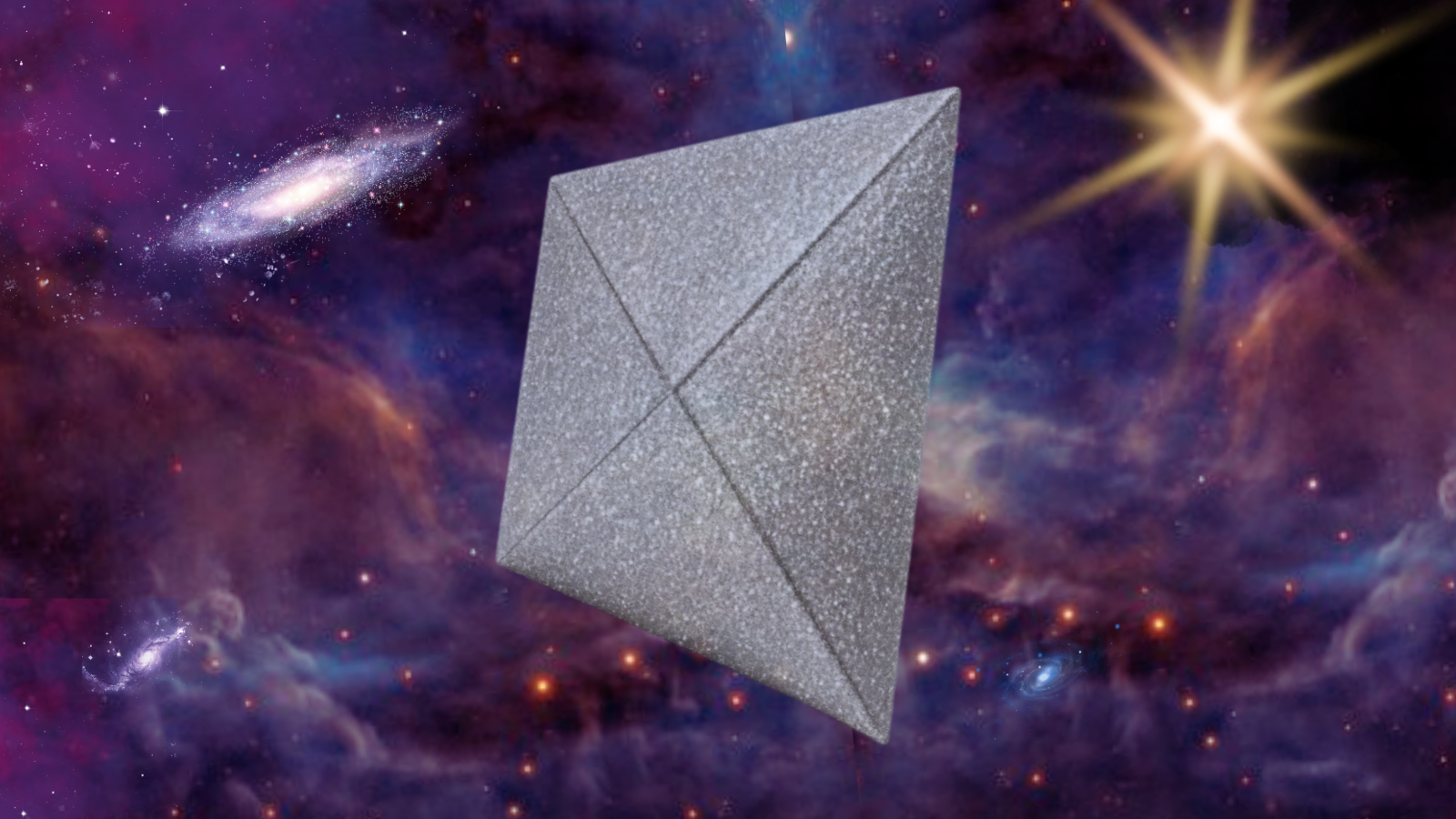
How solar sails could propel humanity to interstellar space
This article explores the concept of solar sails as a realistic propulsion method for interstellar space travel. It discusses how solar sail
 space.com·16h ago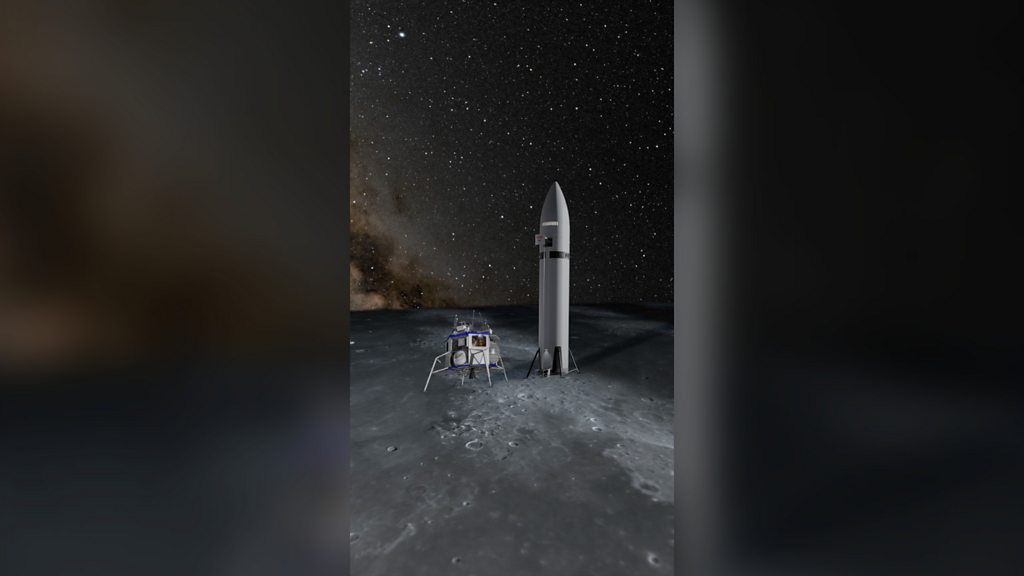
Nasa reveals plans for lunar base with robotic landers and drones
Nasa has released details of its plans to build a lunar base on the Moon, involving robotic landers, hopping drones, and vehicles. The initi
 bbc.com·19h ago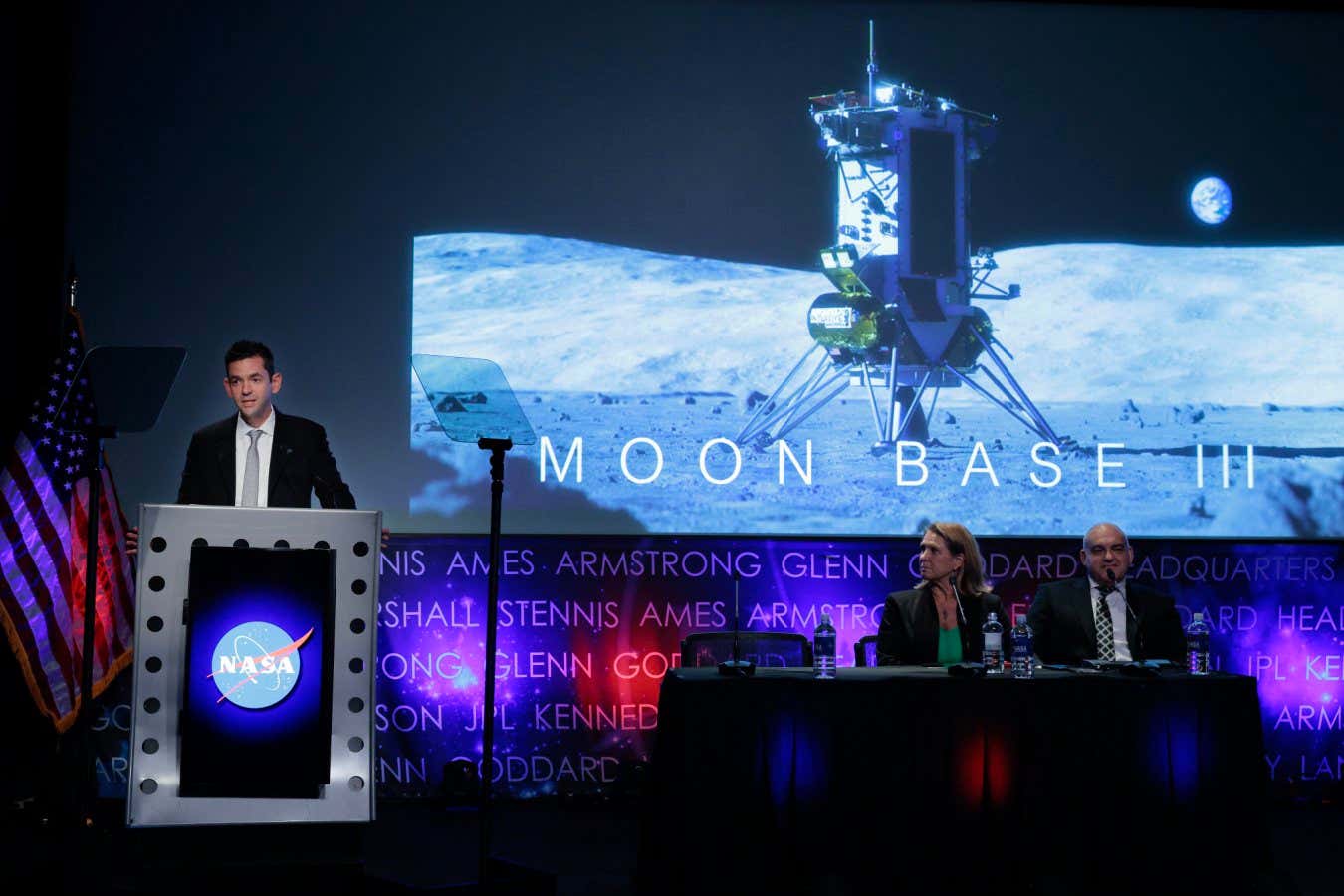
NASA reveals plans for permanent lunar base spanning hundreds of square kilometres
NASA has revealed plans to build a permanent lunar base spanning hundreds of square kilometres as part of its Artemis programme. The initial
 newscientist.com·1d ago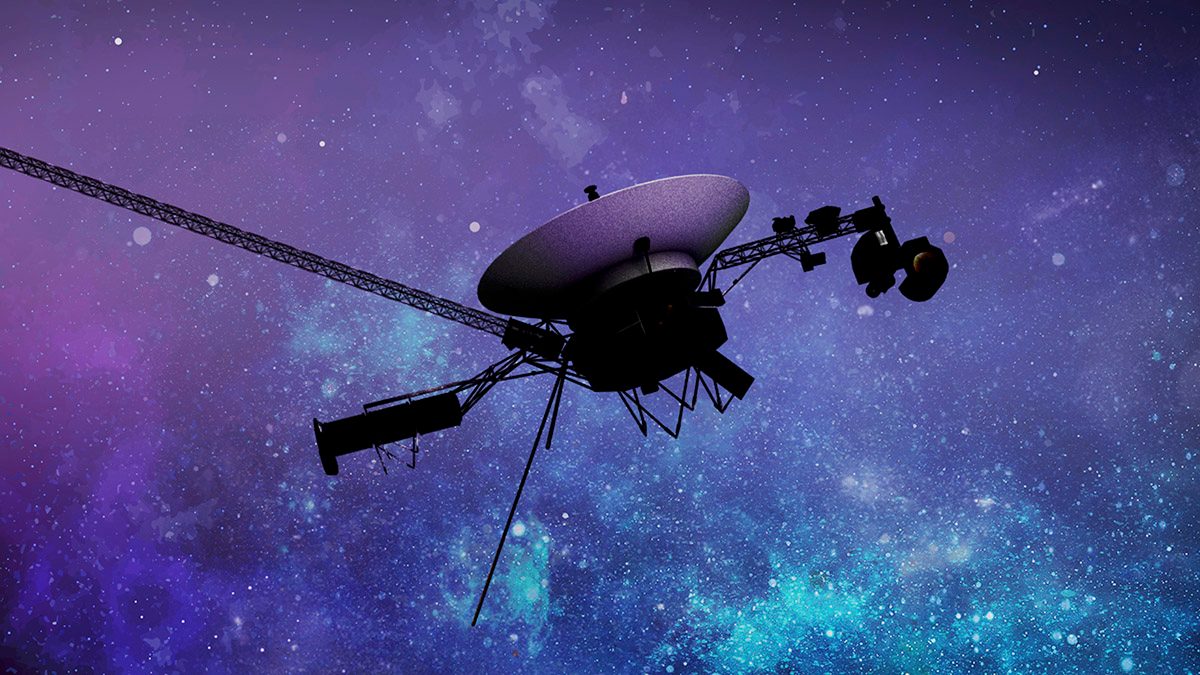
Voyager 1 to reach one light-day from Earth by November 2026
Voyager 1, the farthest human-made object in existence since 1998, is approaching a major milestone: on or around November 13, 2026, it will
 skyatnightmagazine.com·1d ago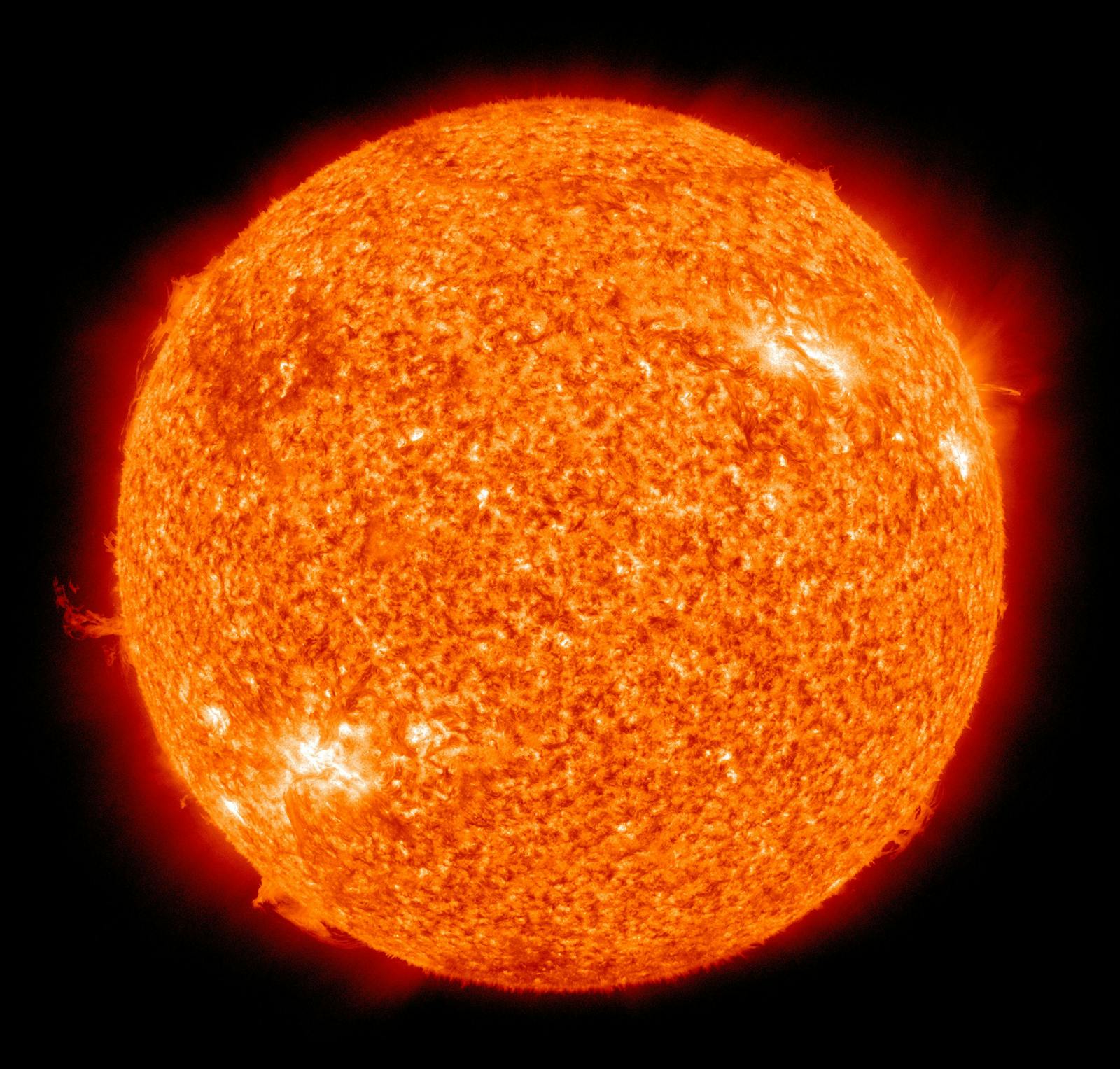
Parker Solar Probe flies through Sun's corona at 430,000 mph with revolutionary heat shield technology
NASA's Parker Solar Probe is successfully flying through the Sun's outer atmosphere (corona) at 430,000 mph, protected by a 4.5-inch carbon
 spacedaily.com·1d ago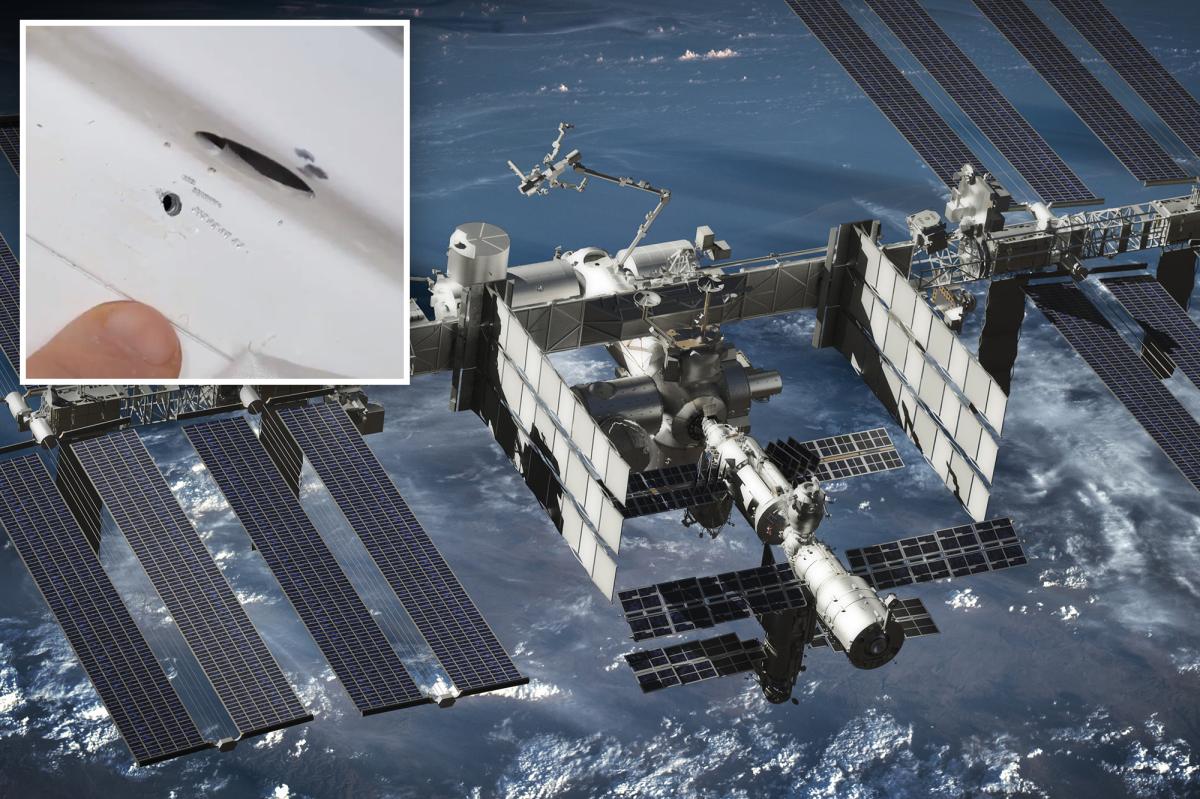
ISS reports new air leak in Russian module, ongoing problem since 2019
The International Space Station is experiencing another air leak in the PrK module, a narrow transfer tunnel on the Russian segment. This is
 nypost.com·1d ago