
























California two-spot octopuses can learn to use mirrors to locate prey, study finds
By
Nora Bradford
Summary
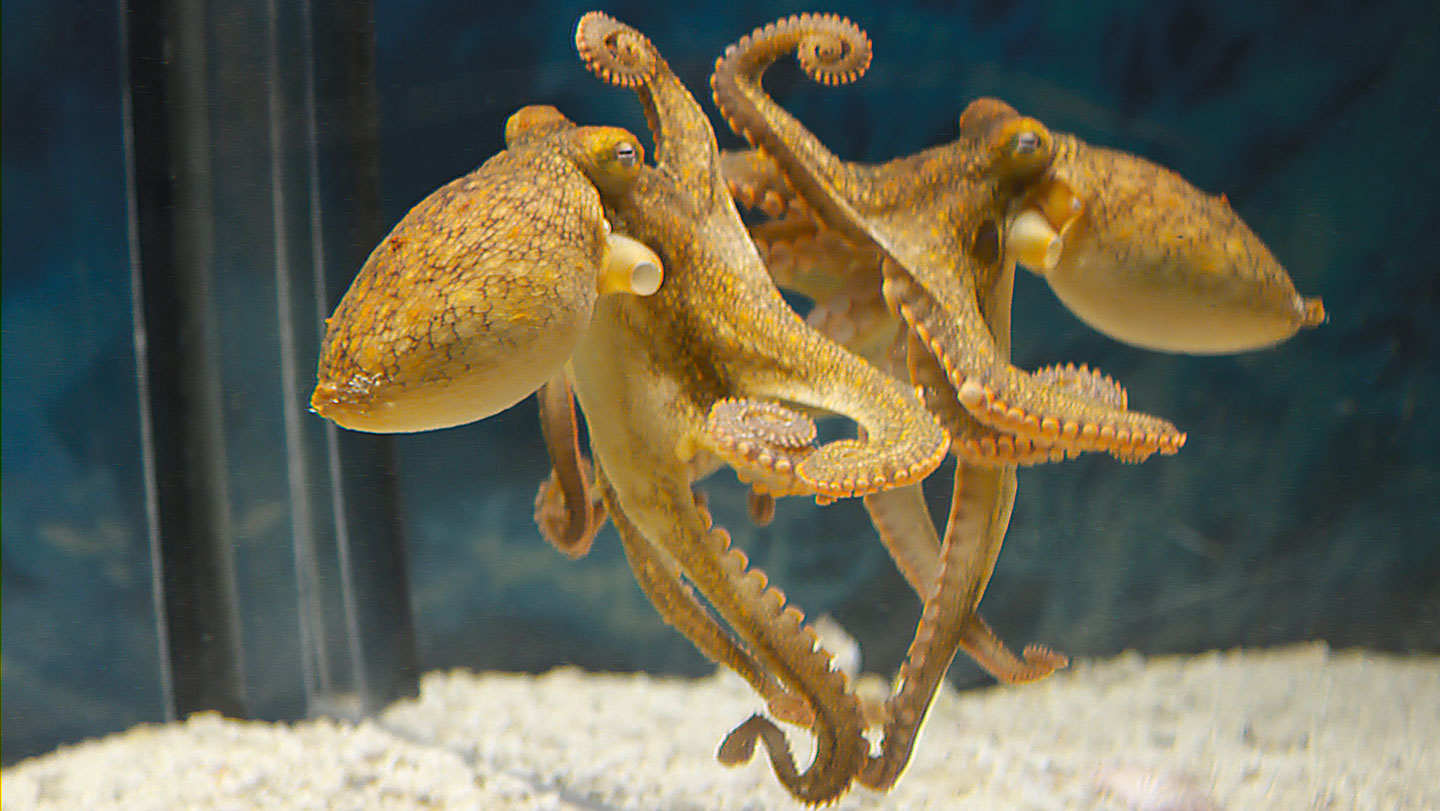
Scientists have discovered that California two-spot octopuses (Octopus bimaculoides) can learn to use mirrors to locate prey. While octopuses initially approach a mirror to find reflected prey, they eventually learn to move directly toward their target. This research, published in Current Biology, demonstrates that these cephalopods can understand that a reflection corresponds to a real object's location, adding to the growing body of knowledge about octopus intelligence and learning capabilities.
Source
 Twitter / XCalifornia two-spot octopuses can learn to use mirrors to locate prey, study findssciencenews.org
Key quotes
· 3 pulledOctopuses initially approach a mirror to find reflected prey, but they eventually learn to move directly toward their target.
Even humans aren't born with an intuitive understanding of mirrors; we have to learn how they work.
Now, scientists have discovered that the California two-spot octopus (Octopus bimaculoides) can also learn to use mirrors.
You might also wanna read

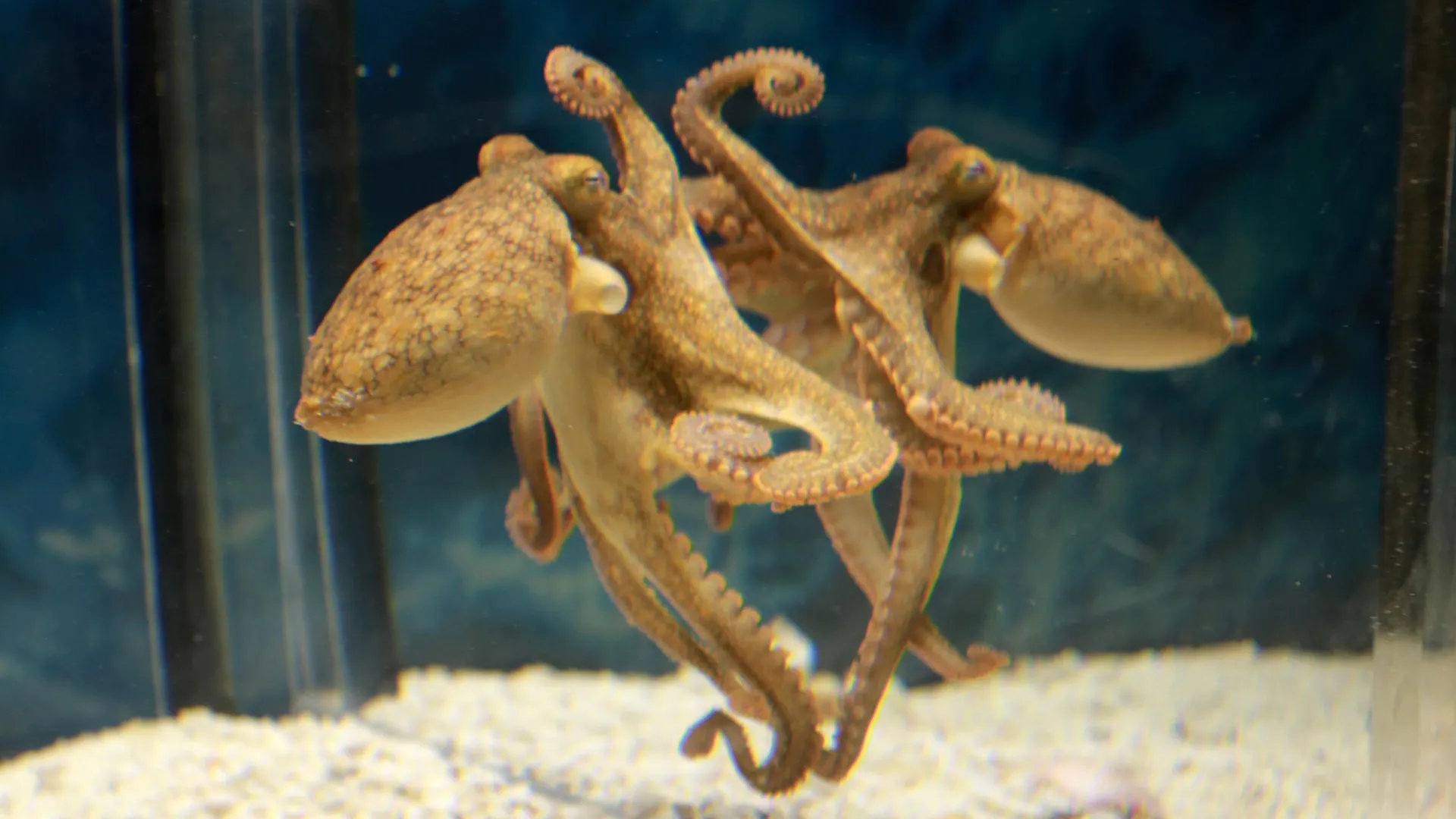
Study finds octopuses can learn to use mirrors to locate hidden food
A new study published in Current Biology by researchers at Dartmouth reveals that octopuses can learn to use mirrors to locate hidden food,
Dartmouth Study Finds Octopuses Can Use Mirrors to Navigate and Find Hidden Food
A Dartmouth study published in Current Biology demonstrates that octopuses can use mirrors to locate hidden food, marking the first evidence
 home.dartmouth.edu·24d ago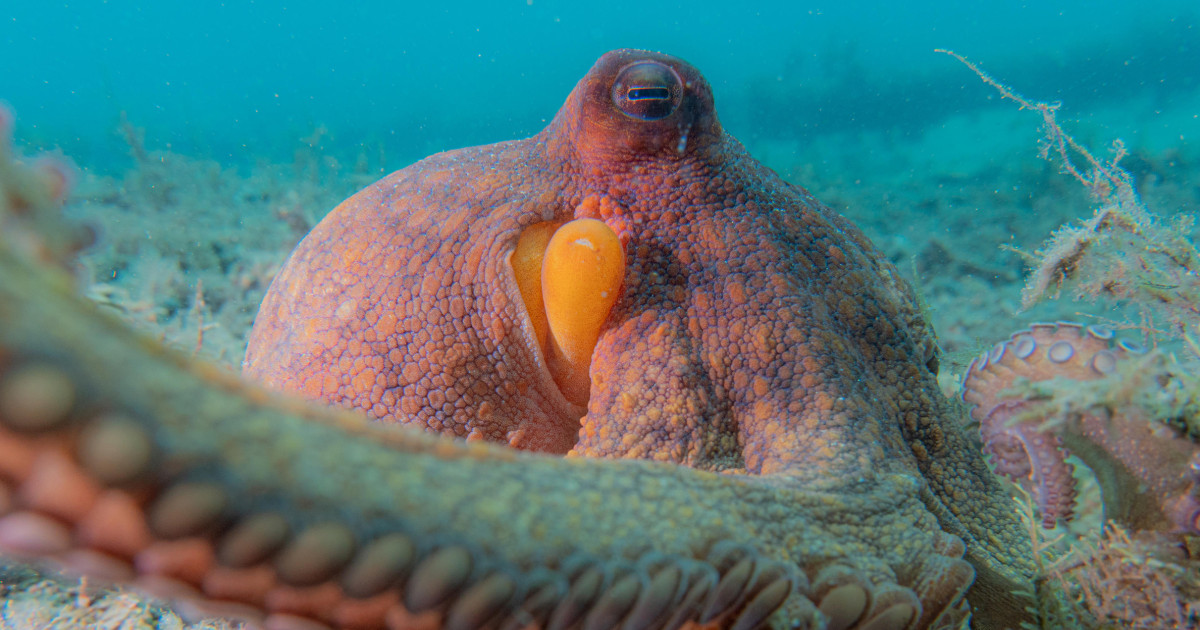
Study finds octopuses can use any of their eight arms to multitask effectively
New research published in a study shows that octopuses can use any of their eight arms to perform tasks like reaching, tiptoeing, or graspin
 nbcnews.com·3d ago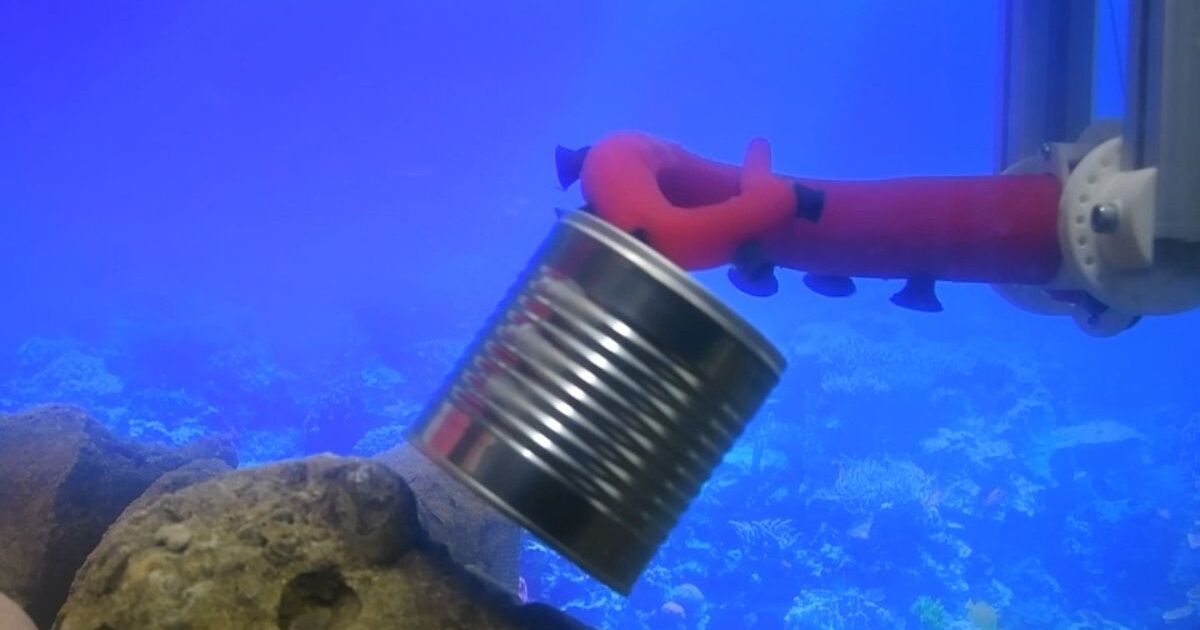
IIT researchers develop octopus-inspired soft robotic arm with sucker-based touch sensing for ocean exploration
Researchers at the Italian Institute of Technology (IIT) have developed a soft robotic arm inspired by octopus neurology. Unlike traditional
 newatlas.com·15d ago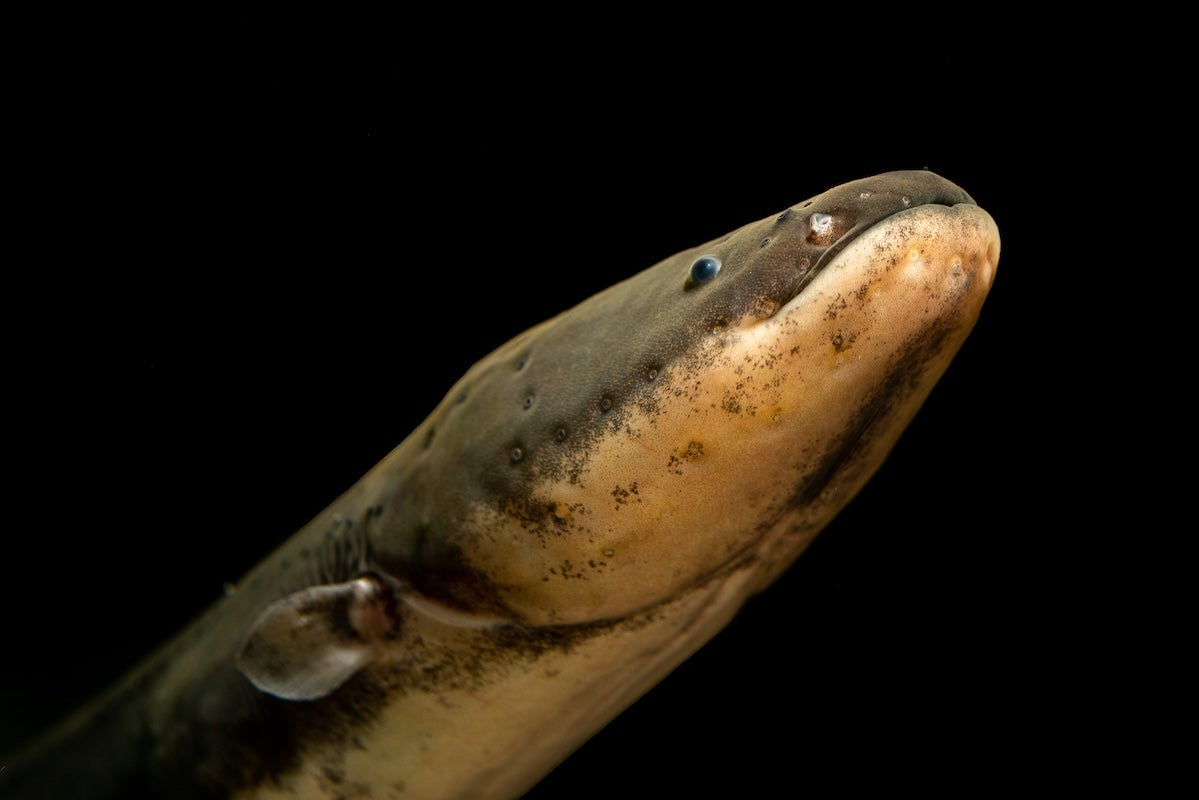
Electric eels and knifefish suppress electric signals to avoid detection, UCF study finds
A study published in Current Biology by UCF researchers reveals that electric eels and weakly electric knifefish strategically suppress and
 ucf.edu·7d ago
Exploring Magnetoreception: How Organisms Navigate Using Earth's Magnetic Fields and Implications for Brain Function
The article explores the concept of magnetoreception - the ability of organisms to detect Earth's magnetic fields for navigation. It discuss
 1393.xyz·6mo ago
Comments
Sign in to join the conversation.
No comments yet. Be the first.