





















Columbia Scientists Achieve First Precise Gene Editing in Human Embryos
By
Carl Zimmer

All dough, no crust. Filling but forgettable.
Summary
Scientists at Columbia University have achieved precise gene editing in early human embryos using a newer technique, marking a first in accuracy. The breakthrough could enable repairing disease-causing mutations in embryos but also raises ethical concerns about selecting desired traits, which some ethicists compare to eugenics. Lead researcher Dieter Egli called for a public conversation about the implications of the technology.
Key quotes
· 3 pulledDieter Egli, a geneticist at Columbia University who led the research, called for a public conversation about the...
The prospect has fueled controversy for years.
On the one hand, the technology might one day enable parents to safely repair disease-causing mutations in embryos. But it might also be used to select desired traits — a practice that some ethicists have argued is nothing short of eugenics.
You might also wanna read


First In-Vivo Gene-Editing Therapy Successfully Saves Newborn's Life in 2025
In 2025, doctors and scientists in the U.S. successfully performed the world's first custom gene-editing therapy inside a living person—a ne
 popularmechanics.com·5mo ago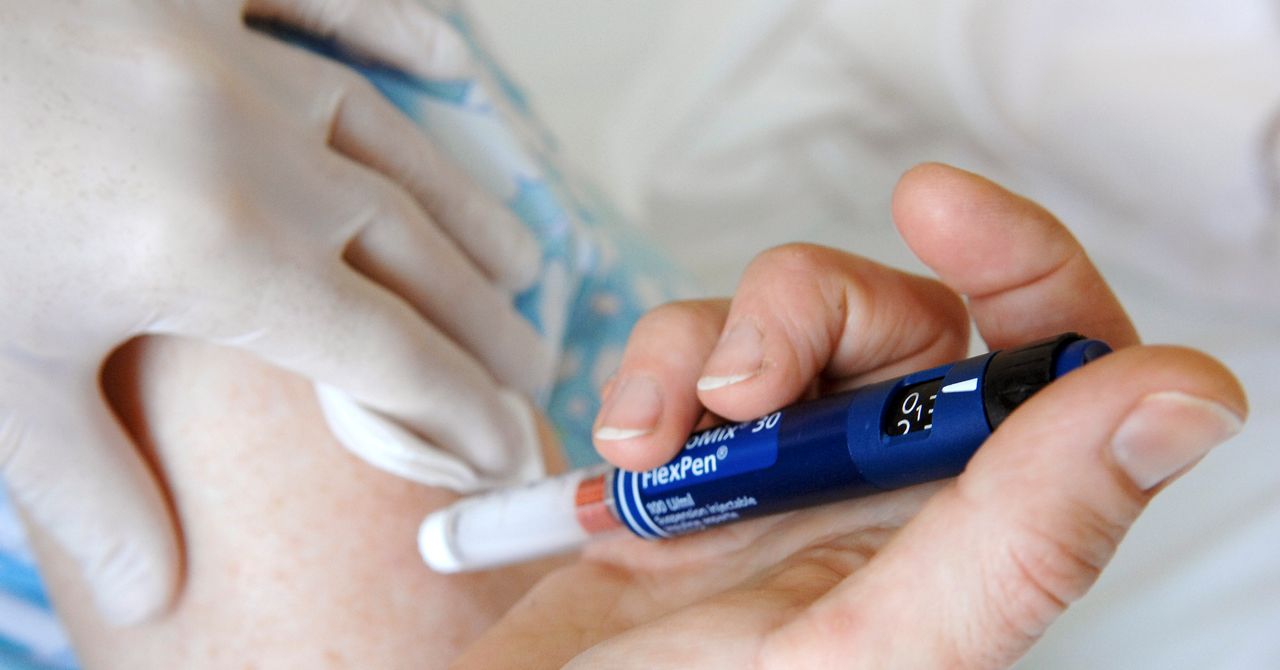
Crispr-Edited Pancreatic Cells Successfully Transplanted in Type 1 Diabetes Patient for the First Time
For the first time, researchers have successfully implanted Crispr-edited pancreatic cells into a patient with type 1 diabetes. The gene-edi
 wired.com·9mo ago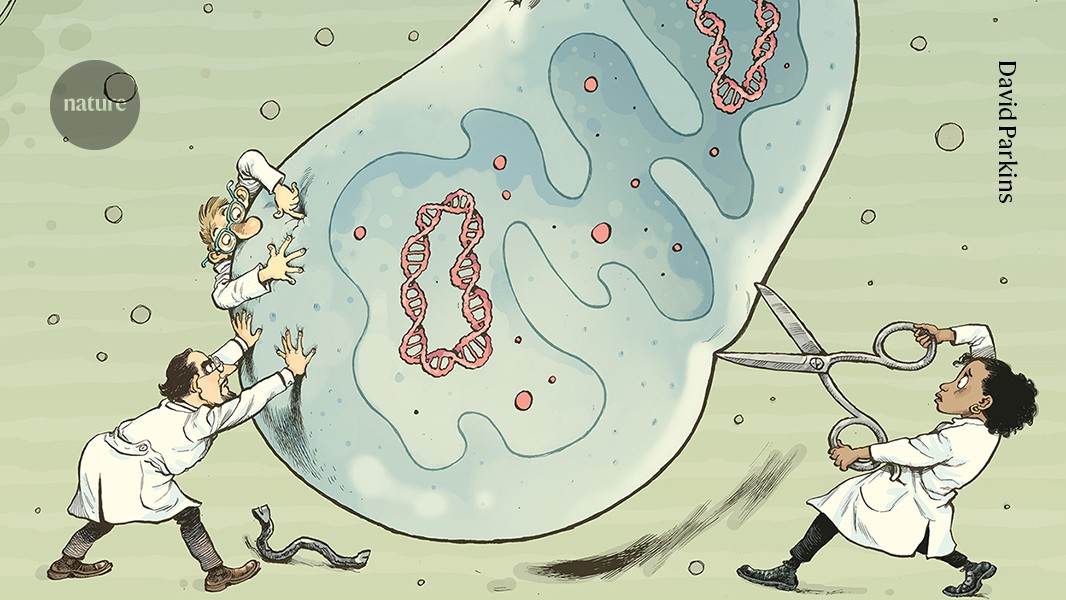
CRISPR's Limitations in Mitochondrial DNA Editing and Emerging Alternatives
The article discusses the limitations of CRISPR gene editing technology in accessing mitochondrial DNA (mtDNA) and the resulting challenges
 nature.com·8mo ago
New CRISPR Technique Selectively Destroys Cancer Cells with Common Mutation
Researchers at UC Berkeley, UCSF, and Gladstone Institutes have developed a novel CRISPR-based technique called "RNA-Triggered Chromatin Shr
 innovativegenomics.org·2d ago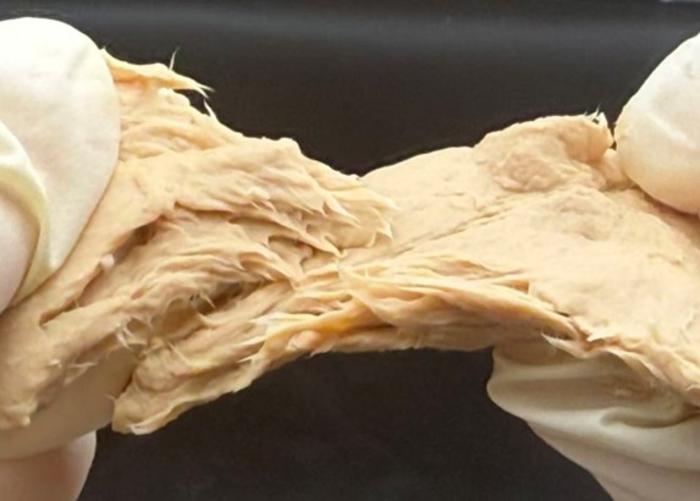
CRISPR-Enhanced Fungus Offers Sustainable Meat Alternative with Improved Nutrition
Researchers have used CRISPR gene editing to enhance Fusarium venenatum, a naturally meat-like fungus, making it more efficient, nutritious,
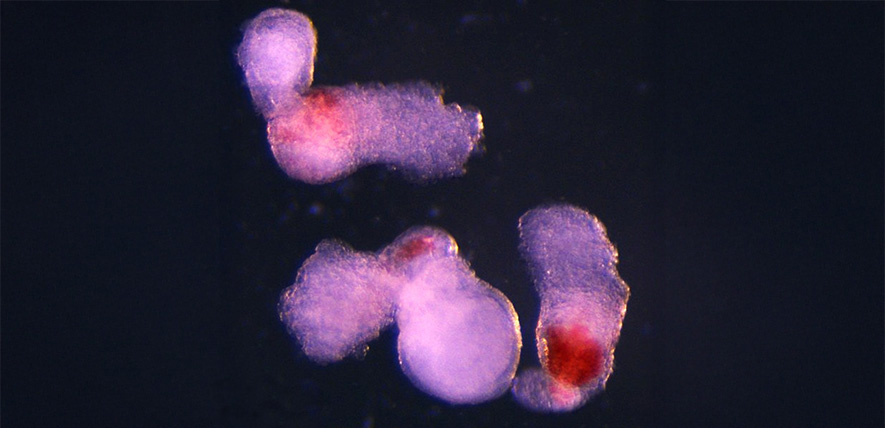
Cambridge Scientists Create Lab-Grown Embryo Models That Produce Blood Cells
University of Cambridge researchers have successfully created three-dimensional embryo-like structures called 'hematoids' from human stem ce
 cam.ac.uk·8mo ago