
























In 1987, the United States decided to capture every remaining wild California condor after lead poisoning, habitat loss, and poaching left just 27 birds alive; today, hundreds once again soar across western skies
18h agoen
Source
timesofindia.indiatimes.comIn 1987, the United States decided to capture every remaining wild California condor after lead poisoning, habitat loss, and poaching left just 27 birds alive; today, hundreds once again soar across western skiesindiatimes.comOnce on the brink of extinction, the majestic California condor's survival hinged on a daring rescue. Capturing the last wild birds in 1987, conservationists discovered that lead poisoning from ammunition fragments in carcasses was the primary killer. Despite breeding successes, the toxin persisted, necessitating strict ammunition regulations. This intervention, though intensive, has allowed these magnificent birds to once again grace western skies, showcasing the power of identifying and addressing environmental threats.
You might also wanna read

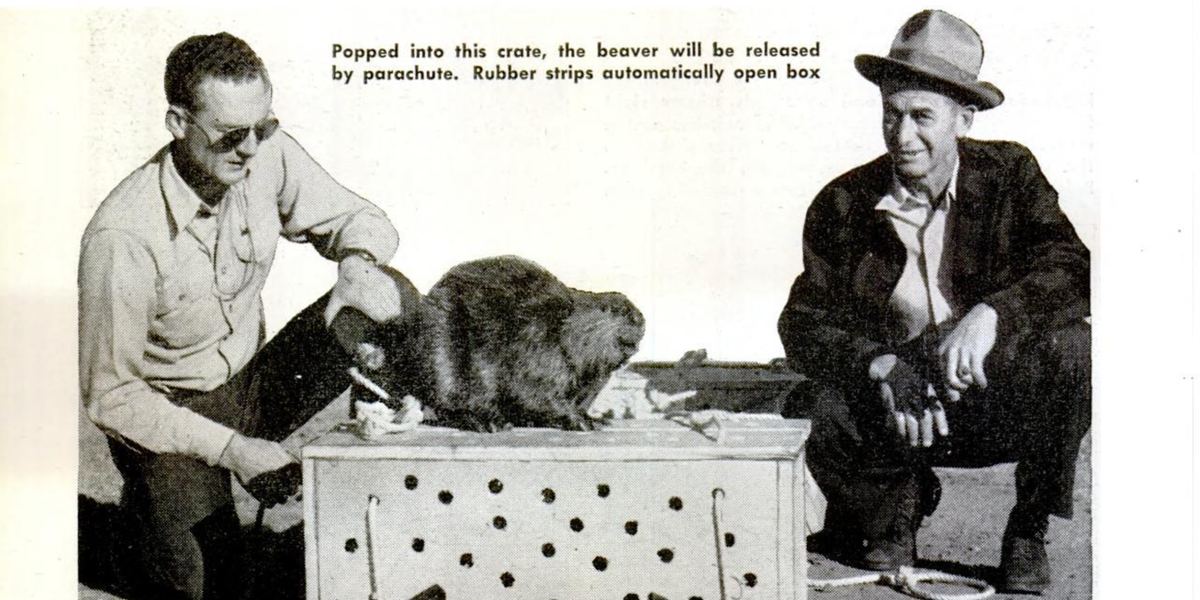
How Parachuting Beavers Helped Restore Idaho's Wilderness in 1948
The article tells the fascinating true story of how, in 1948, Idaho wildlife manager Elmo W. Heter solved the problem of relocating beavers
 popularmechanics.com·15d ago
Endangered bighorn sheep found dead entangled in border razor wire in Imperial County
A Peninsular bighorn sheep, an endangered species, was found dead entangled in razor wire recently installed along the California-Mexico bor
 latimes.com·1mo ago
Preparing birds for life in the wild: New technique boosts survival after release
Phys·1d ago
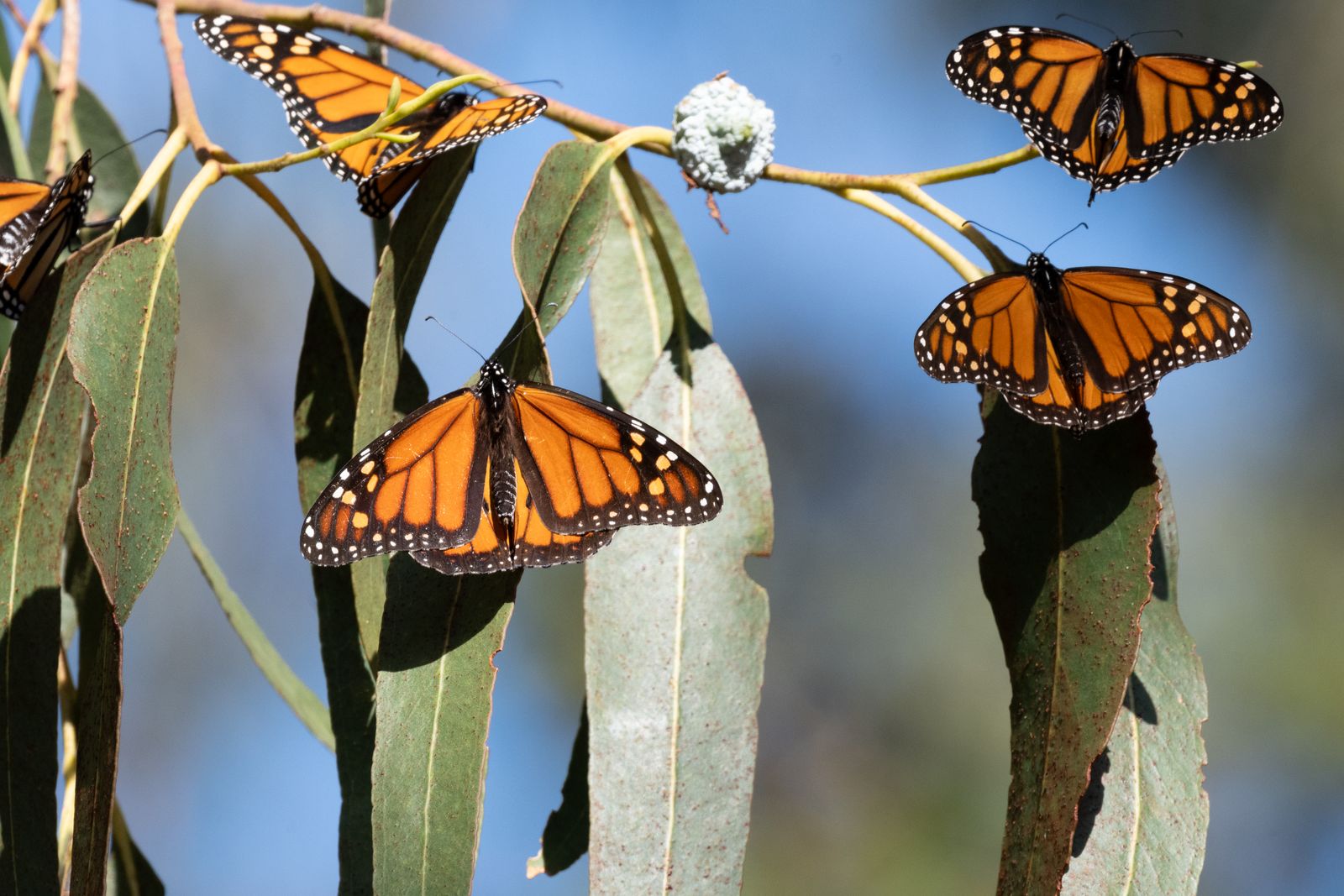
Western Monarch Butterfly Decline Reflects Broader North American Insect Crisis Driven by Pesticides, Habitat Loss, and Climate Change
The article examines the dramatic decline of butterfly populations across North America, using the Western Monarch butterfly as a case study
 smithsonianmag.com·2mo ago
First-ever analysis reveals thousands of protected marine animals killed annually by UK fishing bycatch
The first-ever analysis of bycatch data by the Wildlife and Countryside Link reveals that thousands of Britain's most charismatic and protec
 theguardian.com·28d ago
Spain's solar boom creates ecological traps for birds due to poorly designed nest boxes
Spain's solar energy boom is creating unintended ecological consequences, particularly for birds. While solar farms now produce over 20% of
 nationalobserver.com·22d ago
Comments
Sign in to join the conversation.
No comments yet. Be the first.