





















Moon Trees: The Apollo 14 seeds that circled the Moon and now grow across America
By
By Space Daily Editorial Team · Editorial process

Crisp on the outside, thoughtful on the inside. A keeper.
Summary
In 1971, Apollo 14 astronaut Stuart Roosa carried roughly 500 tree seeds around the Moon in his personal kit. After returning to Earth, the seeds were germinated and the resulting seedlings—called "Moon Trees"—were planted at courthouses, schools, parks, state capitols, NASA centers, and universities across the United States. These ordinary-looking trees have an extraordinary flight history, though most people walking under them are unaware of their lunar connection, with their story hidden in small plaques.
Key quotes
· 3 pulledThey are called Moon Trees.
Most people walking under them see a pine, a sycamore, a sweetgum, a redwood or...
The seeds never touched lunar soil.
You might also wanna read

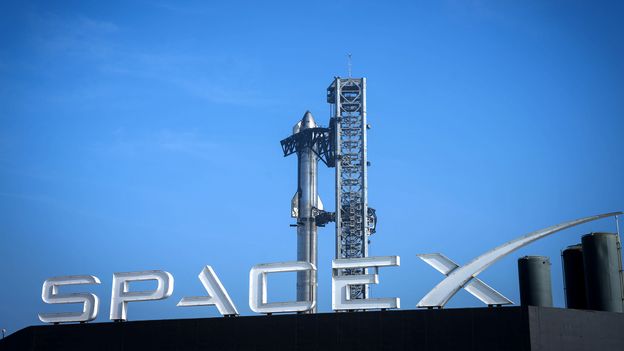
Environmental consequences of rocket launch failures and spaceport pollution
The article examines the environmental consequences of space launches, particularly when rockets fail. It highlights the destruction caused
 bbc.com·18h ago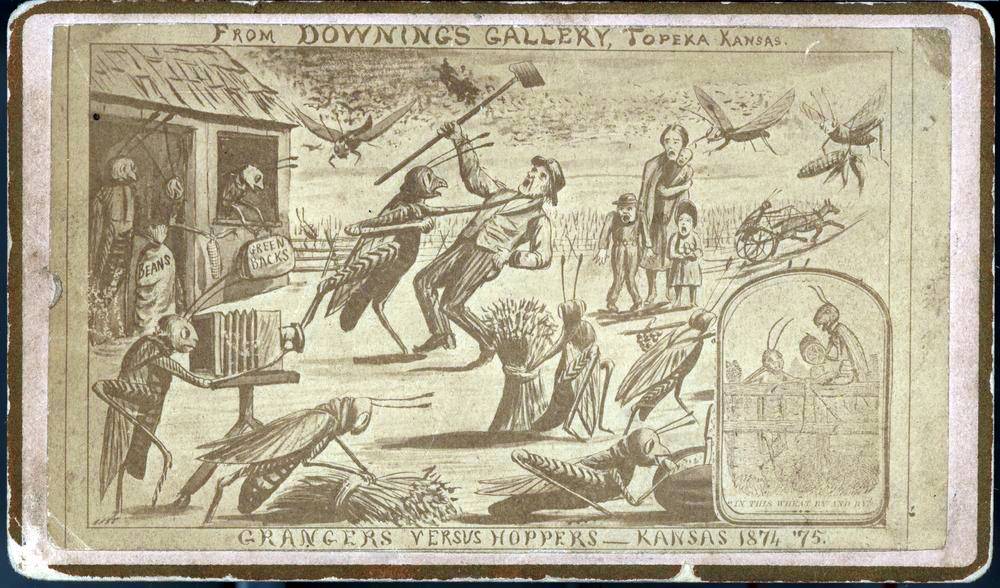
The 1875 Albert's Swarm: Massive Locust Invasion That Devastated Western U.S.
Albert's swarm was a massive concentration of Rocky Mountain locusts that devastated the Western United States in 1875, covering an estimate
 en.wikipedia.org·2mo ago
Apollo-Soyuz Test Project: First International Human Spaceflight
The Apollo-Soyuz Test Project marked the first international human spaceflight, bringing together American astronauts and Soviet cosmonauts
nytimes.com·10mo ago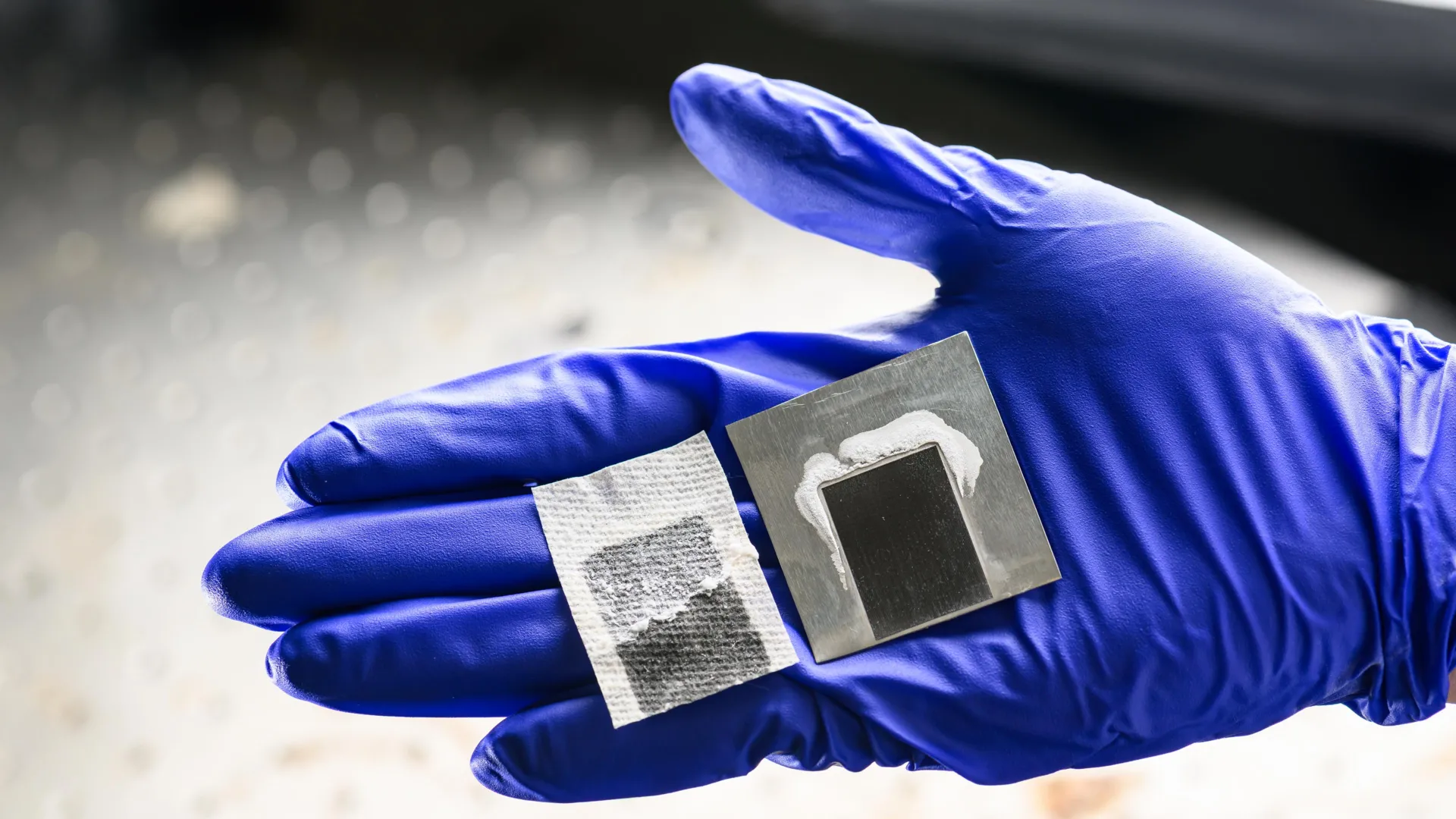
Solar desalination system eliminates toxic brine while producing fresh water
Scientists have developed a solar-powered desalination system that converts seawater into fresh water without producing toxic brine, a major
Solar desalination system eliminates toxic brine while producing fresh water
Scientists have developed a solar-powered desalination system that converts seawater into fresh water without producing toxic brine, a major
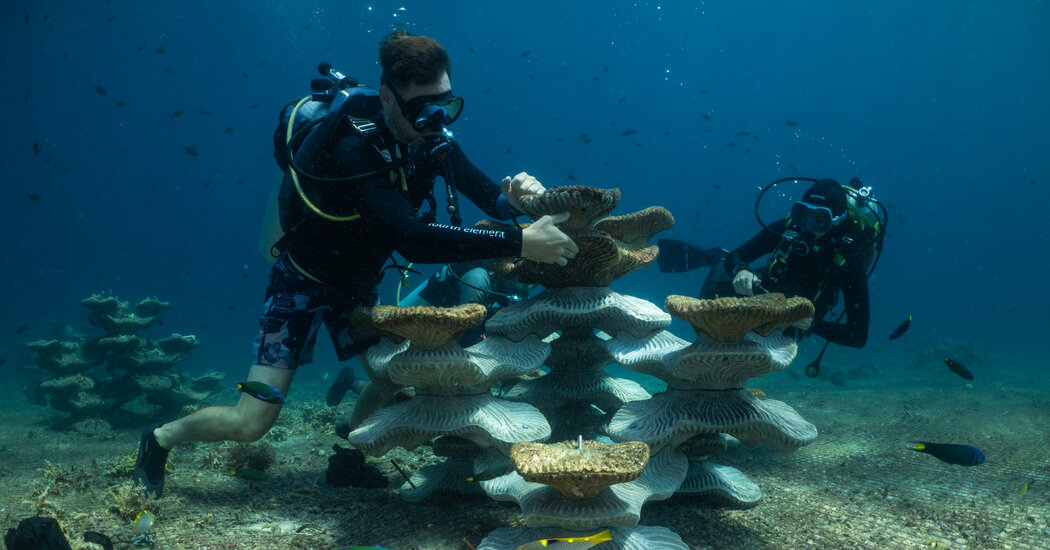
Conservation Group Uses Concrete Molds to Build Artificial Reefs in Malaysia's Coral Triangle
A conservation group is using concrete molds and 3D-printed structures to build artificial reefs in the Coral Triangle near Malaysia, aiming
nytimes.com·6h ago