
























Implementing USB Keyboard LED Control for BoxLambda Project
Updated 2 April 2026: Corrected stale links.
Read the full articleYou might also wanna read
Github vs. Raspberry Pi in a Closet — Zephyr Podcast #043
Device filesystem for /dev-style access and Linux portability CDAC THEJAS32 RISC-V support Proposed fan subsystem Twister preferred_toolchai
Developer builds software keyboard light using monitor glow, optimized for OLED displays
A developer created LightBar For Keyboard, a lightweight Windows app that projects a bright bar at the bottom of the screen to illuminate a

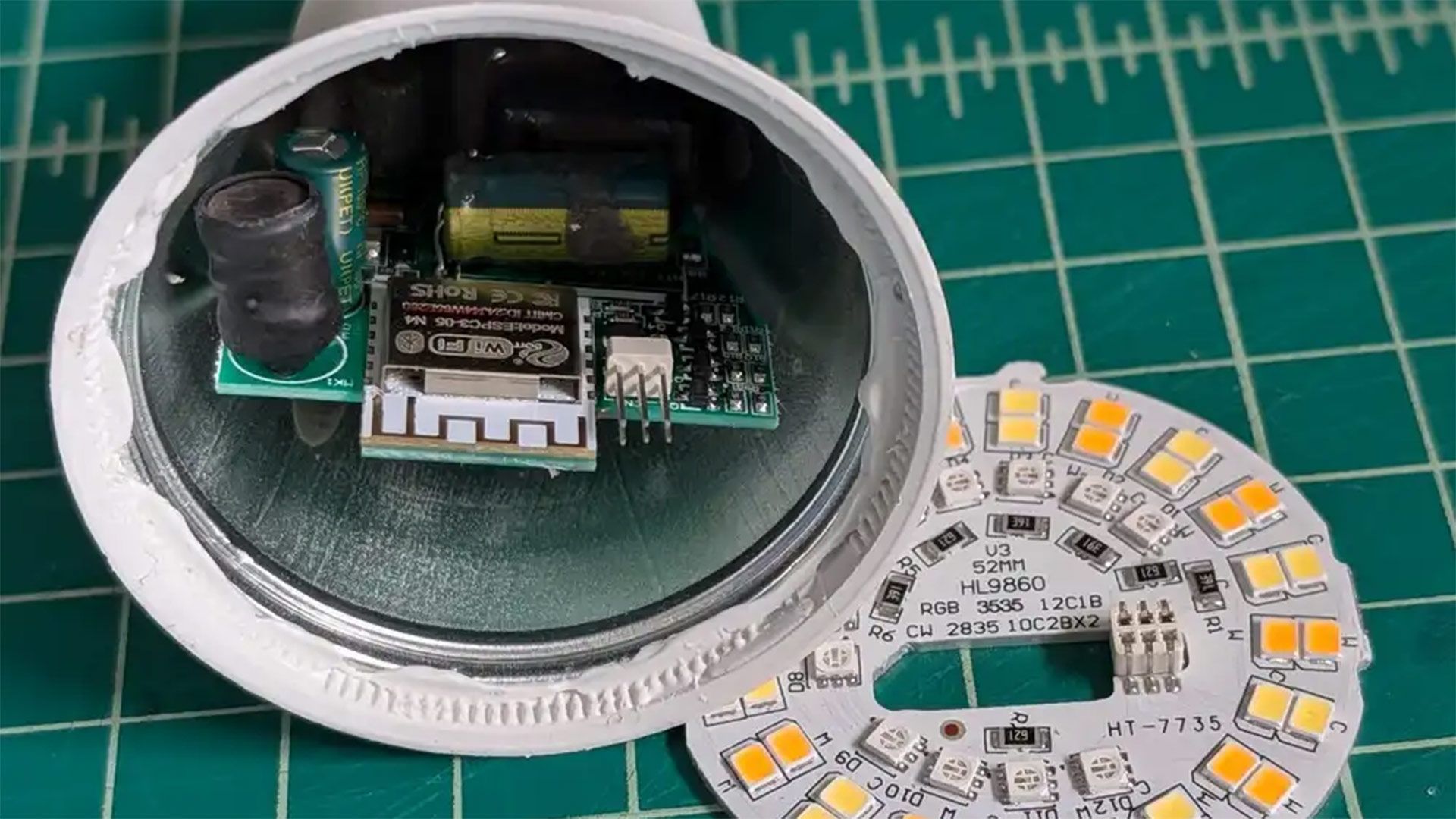
Security researcher turns ESP32 smart lightbulb into an open-source banned book library
This ‘cyberpunk digital dead drop’ was inspired by Ben Brown’s short story of anti-corporate tech resistance, called ‘Library.’
 share.google·25d ago
How to Control NeoPixel Installations via Wi-Fi Using Fishino and NodeMCU with Python
We create NeoPixel light installations with Fishino and NodeMCU controlled via Wi-Fi from a PC or Raspberry Pi using a Python library. A few
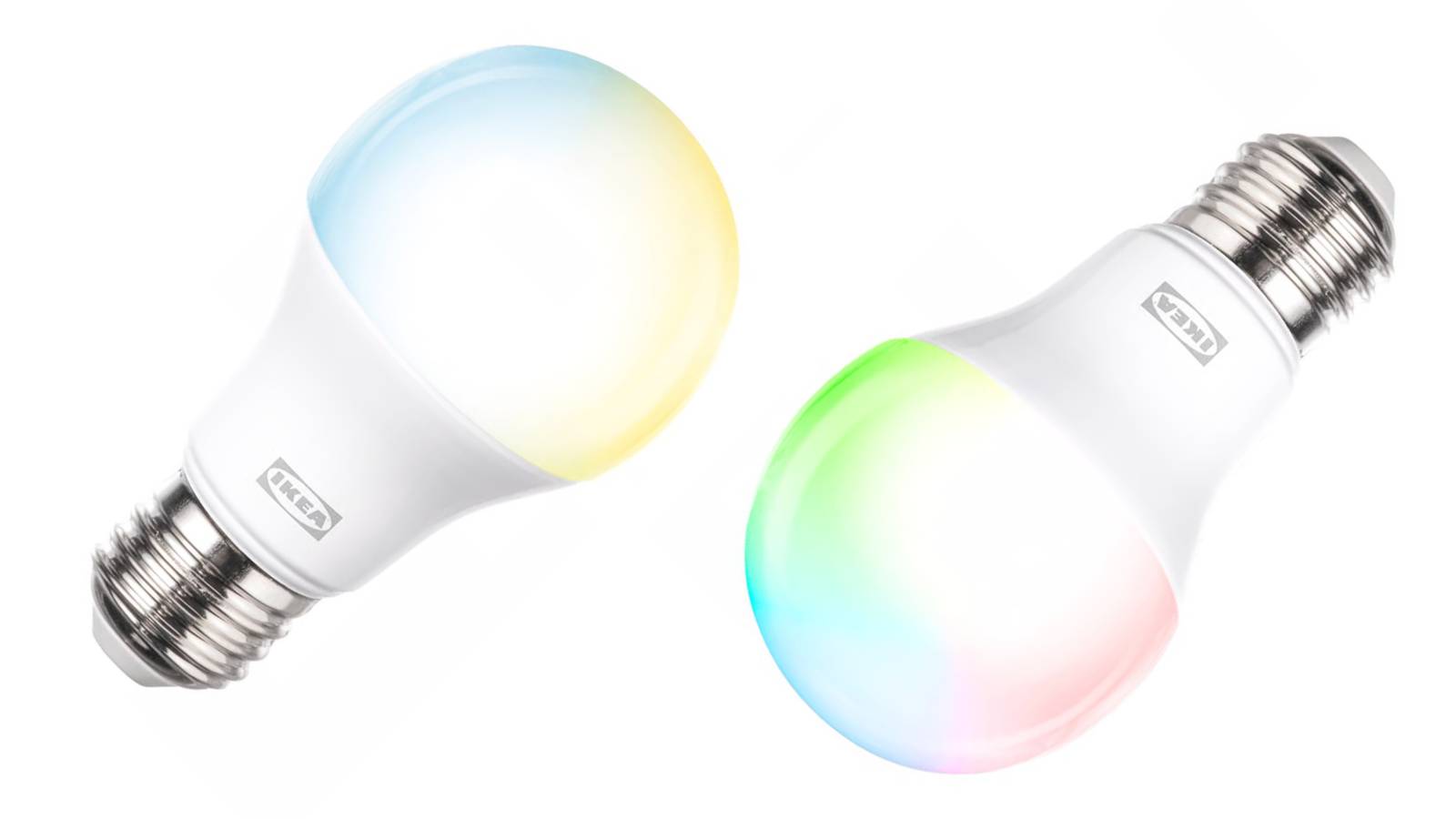
IKEA's new Matter-compatible smart bulbs offer good value but require a hub
Cheap Matter bulbs are finally here.
 howtogeek.com·1mo ago
Xiaomi präsentiert neue Monitor-Lampe: Mijia Light Bar 2 mit 108 LEDs und Fernbedienung
Xiaomi hat eine neue Beleuchtungslösung im Sortiment. Diese soll eine blendfreie Beleuchtung bieten und könnte damit durchaus der Ergonomie,
Comments
Sign in to join the conversation.
No comments yet. Be the first.