
























Imaging the Solar Corona from “Within”: A Cutting-Edge Approach to Enhance PSP/WISPR Imagery
Guillermo Stenborg et al 2025 ApJS 280 21 Researchers have developed a new way to subtract the F-coronal background from certain Parker Solar Probe images to reveal the large-scale dynamics of the…
Read the full articleYou might also wanna read

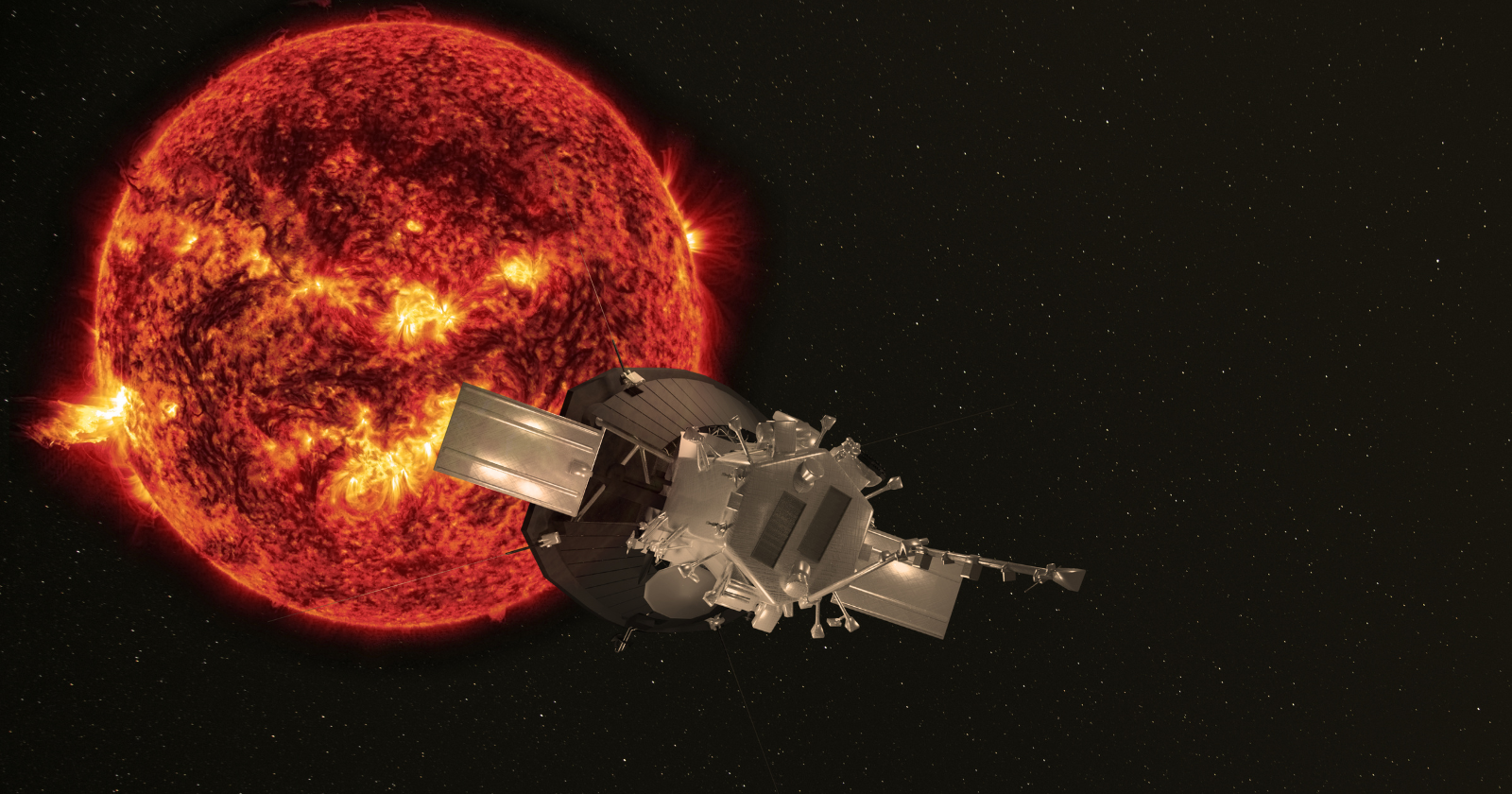
Parker Solar Probe discovers unexpected high-energy particle source in the solar corona, challenging existing models
When NASA’s Parker Solar Probe passed through the solar corona during perihelion encounters at the heliospheric current sheet, its instrumen
 spacedaily.com·19d ago
Parker Solar Probe flies through Sun's corona at 430,000 mph with revolutionary heat shield technology
NASA's Parker Solar Probe is the fastest human-made object ever, sweeping the Sun's corona at 430,000 mph while a 4.5-inch carbon foam shiel
spacedaily.com·1mo ago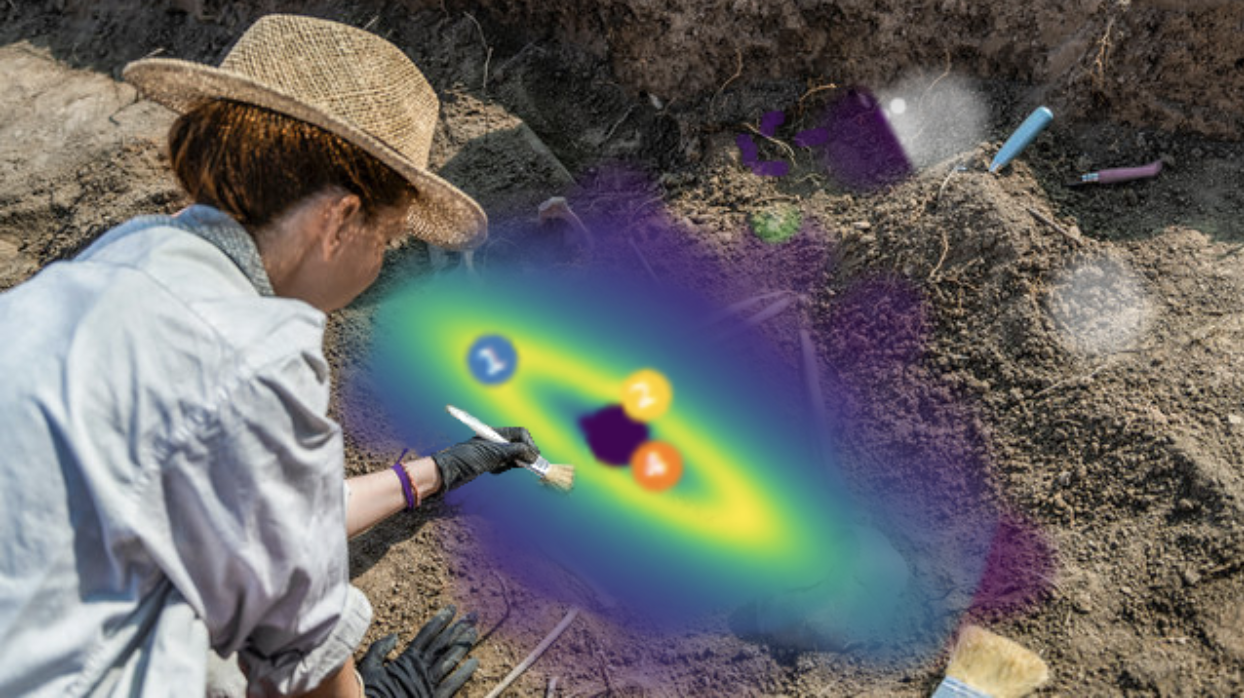
New imaging technique combines reference-star and angular differential imaging to reveal faint exoplanets and debris disks
What do astronomers and archaeologists have in common? Today's guest author discusses how faint exoplanet signals are extracted from their n
 astrobites.org·16d ago
X-pinch plasma achieves radial proton acceleration for crisp imaging
Plasma pinches: From pursuits of nuclear fusion to an attractive point source of accelerated protons for proton radiography.

NASA's Parker Solar Probe survives historic plunge through Sun's corona at record 430,000 mph
The fastest object humanity has ever built, moving at 430,000 miles per hour. A region of space millions of degrees hot. A 4.5-inch slab of
 19fortyfive.com·15d ago
Does the Solar System look like a bullet, a croissant, or a potato? A new way to image other stars’ gaseous bubble
Researchers from KU Leuven have introduced a novel method for detecting and imaging astrospheres around other stars. This will offer interes
Comments
Sign in to join the conversation.
No comments yet. Be the first.