
























Why Biological Computing Feels Dystopian to an AI Practitioner
I’ve been in the AI space since ChatGPT first dropped. I’ve toyed around with a lot of Language Models, built random side projects, built a couple from scratch and I’ve spent hours looking at the…
Read the full articleYou might also wanna read
AI Digs Data Over Dogma. Are Biological Complexities a Thing of the Past?
As AI transcends specific research niches to offer a universal data-driven approach, I mourn the simplification of biology’s intricacies.

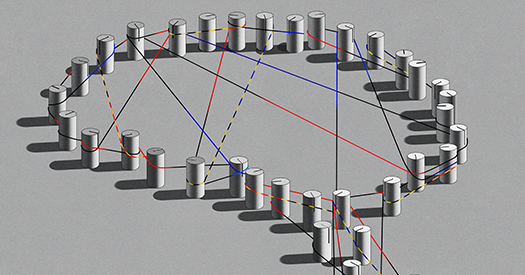
How AI models are being repurposed as tools to study the human brain
These systems were not built to explain the brain. But treating them as model organisms that we can perturb and evolve will move us closer t
 thetransmitter.org·24d ago
The Integration of AI Into Human Life Is Already Underway
As AI insinuates itself into every corner of our lives, many of us are growing inured to the push to digitize the whole world—including huma
 thenation.com·7d ago
Could AI Find A Cure For Cancer? A Computational Oncology Expert Shares His View
With humans and computers working alongside each other, we may be able to achieve what neither could alone.

Import AI 459: AI oversight is difficult; scaling laws for protein folding models; and pricing the extinction risk of AI systems
Do you feel as though you are living in a revolution?

In the Age of AI Anxiety, I'm Choosing Hope
My experience in emerging tech makes me optimistic about where we're headed, but if the people who can fashion a future worth living in deci
Comments
Sign in to join the conversation.
No comments yet. Be the first.