
























If you compressed the entire history of Earth into a single calendar year, humans appear at 11:36 pm on the 31st of December, agriculture at 11:59, and everything written down in history occupies the final 15 seconds before midnight
The most useful thing about compressing Earth’s history into a calendar year is not that the timestamps are perfect. They are not. The value is that the scale finally becomes visible. A planet that…
Read the full articleYou might also wanna read

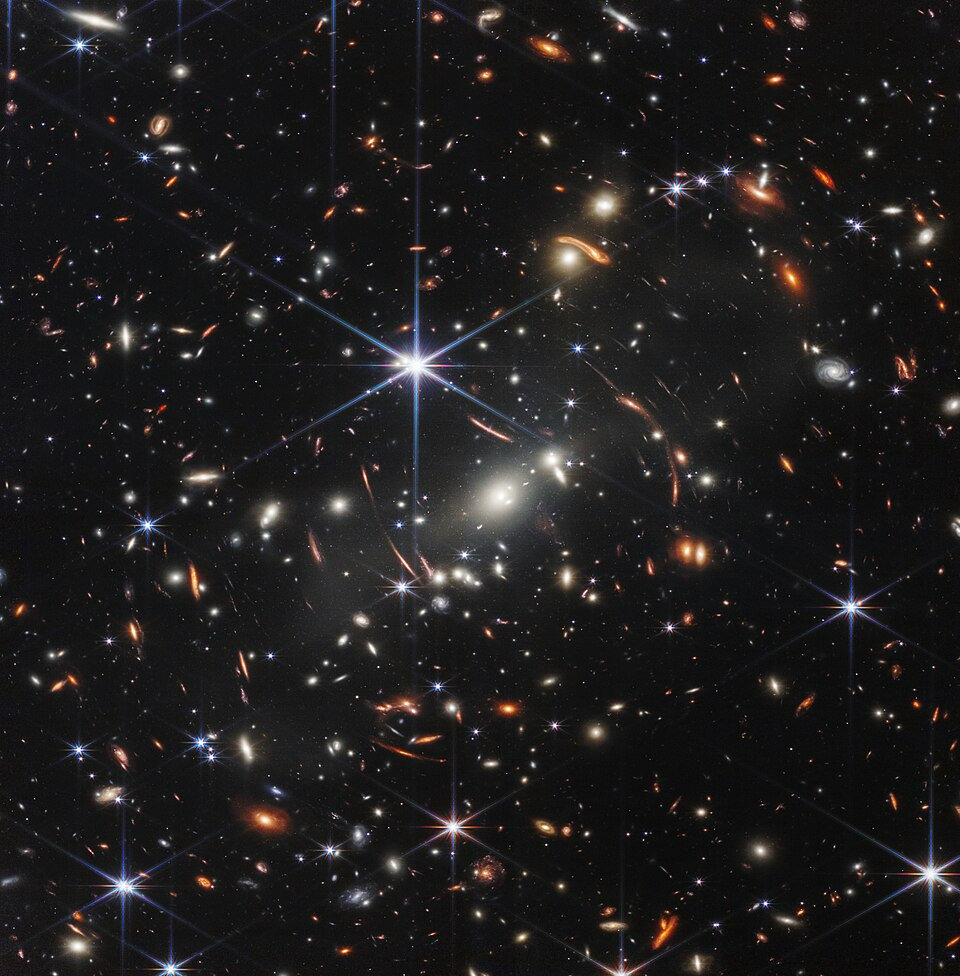
The Cosmic Calendar: Understanding the Universe's 13.8 Billion Year History Through Carl Sagan's Scale Model
According to our best estimates, the universe is 13.8 billion years old. It goes without saying that that’s extremely old. But just how long
 amidthestarstours.com·1mo ago
Earth Overshoot Day Reaches Record for Earliest Date
Earth Overshoot Day is the point in the year when human demand for materials obtained from nature exceeds what the Earth can naturally regen

Earth at 250: How the Planet Has Changed Since the Declaration of Independence
July 2026 marks the 250th anniversary of the American colonies’ Declaration of Independence from Great Britain. From a geological perspectiv
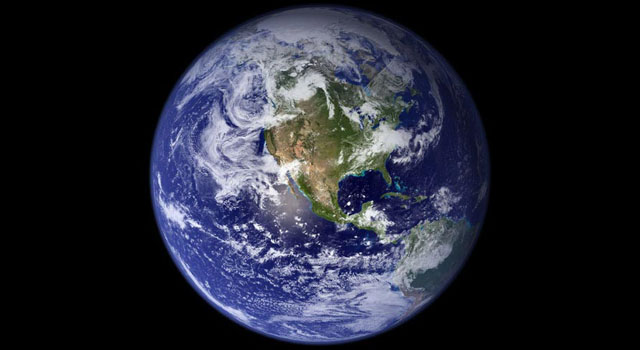
NASA: Japan's 2011 Earthquake Shortened Earth Days by 1.8 Microseconds
The March 11, magnitude 9.0 earthquake in Japan may have shortened the length of each Earth day and shifted its axis.
 jpl.nasa.gov·7d ago
NASA Wants Four Volunteers to Lock Themselves in a Tiny Box for a Year to See if Humans Can Actually Survive a Trip to Mars
A Martian day is about 40 minutes longer than an Earth day, and that can wreak havoc on sleep patterns and health.

Earth may survive the sun's death after all, new study suggests
When the sun swells into a red giant about 5 billion years from now, Earth may escape being swallowed by the dying star, a new study suggest
Earth may survive the sun's death after all, new study suggests
When the sun swells into a red giant about 5 billion years from now, Earth may escape being swallowed by the dying star, a new study suggest
Earth may survive the sun's death after all, new study suggests
When the sun swells into a red giant about 5 billion years from now, Earth may escape being swallowed by the dying star, a new study suggest
Comments
Sign in to join the conversation.
No comments yet. Be the first.