
























IBM Discloses $10 Billion Quantum Computing Investment Plan Through 2029
Insider Brief Fresh off news that the government is investing big bucks in IBM’s quantum tech, the company reports it is deepening its bet on quantum computing with plans to invest more than $10…
Read the full articleYou might also wanna read
IBM’s $10 Billion Bet on Quantum Computing: A Revolution in the Making
In an era where AI headlines often dominate the conversation, IBM is quietly laying the groundwork for a technological revolution that could


$2 Billion CHIPS Act Quantum Package Centers on IBM's Anderon Foundry, Spreads Bets Across Nine Companies
IBM's CHIPS Act Investment of $2 billion establishes Anderon, America's first pure-play quantum chip foundry as part of investments in nine
 futurumgroup.com·1mo ago
Welcome to the Quantum Moment
Today's announcement from President Trump and the Department of Commerce to invest $2.013 billion across seven quantum computing companies a
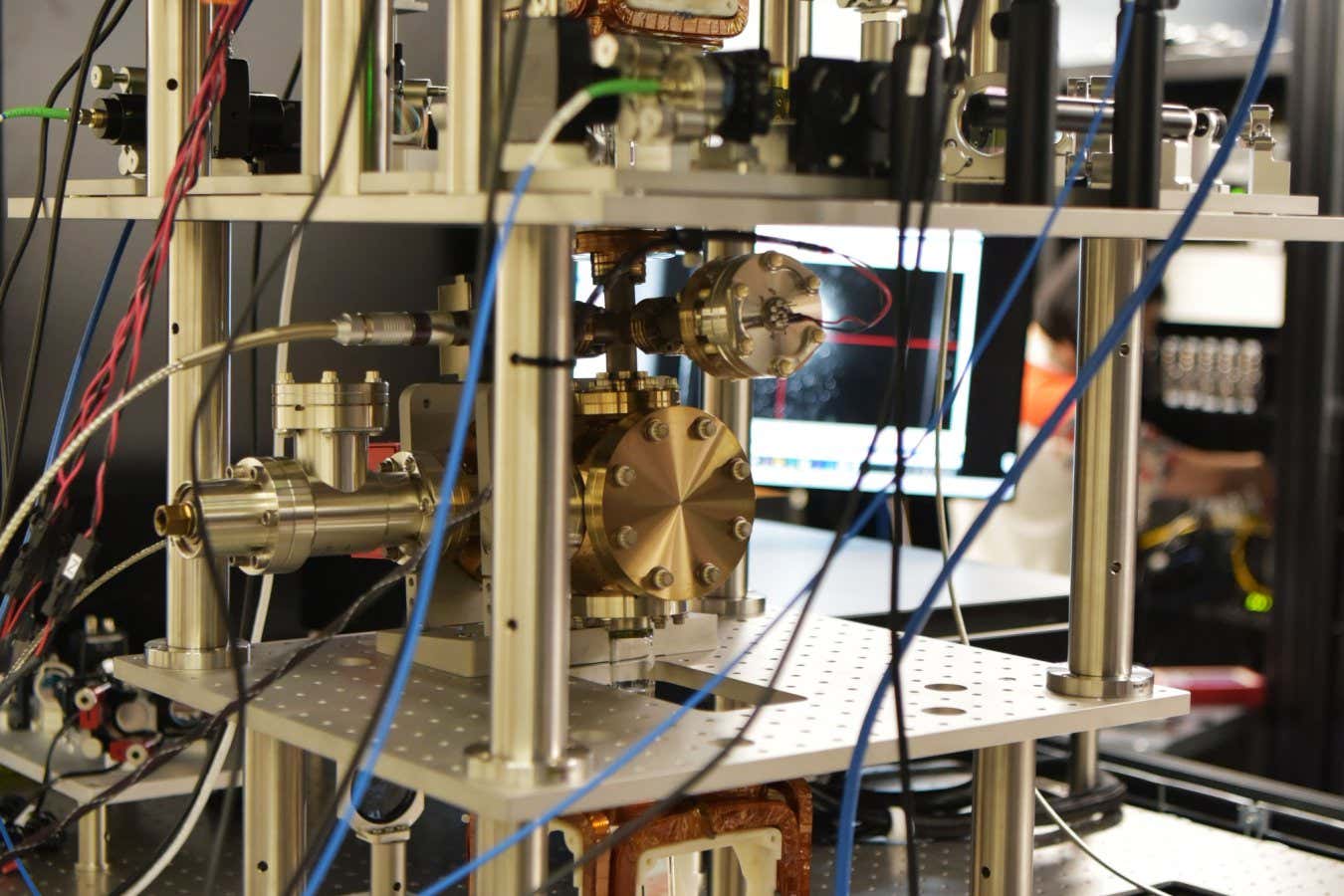
QuEra claims fault-tolerant quantum computers could arrive by 2028
Quantum computing firm QuEra says it plans to make a fault-tolerant quantum computer and offer it to users through the cloud in 2028, which
 newscientist.com·18d ago
IBM to build first large-scale, error-corrected quantum computer by 2028
Article URL: Comments URL: Points: 5 # Comments: 0

McKinsey’s $600 Billion Quantum Finance Number Doesn’t Add Up. Literally.
McKinsey's Quantum Technology Monitor puts quantum computing's finance value at 400 to 600 billion USD by 2035. The disclosed arithmetic ign
Comments
Sign in to join the conversation.
No comments yet. Be the first.