





















Human Noise Pollution Disrupts Animal Communication and Survival
By
joozio

Front-window bakery material. Catches the eye, delivers the goods.
Summary
The article examines the impact of human-generated noise pollution on wildlife, discussing how anthropogenic noise from cities, industry, and transportation interferes with animals' ability to hear predators, mates, and other critical environmental cues. Research shows most animals are negatively affected by human noise, which disrupts their natural communication and survival mechanisms. The article suggests this is a solvable environmental problem if society chooses to address it.
Key quotes
· 4 pulledAnimals constantly listen to the world around them: They're on the alert for the rustle of approaching predators, or a mating call from a member of their species.
As human society has expanded—with sprawling cities, industrial mines, and roads crisscrossing the world—it has gotten noisier too, and animals have trouble hearing one another.
Noise is invisible; there's no billowing smokestack, no soiled water
The good news is it's a problem we can solve if we want to.
You might also wanna read

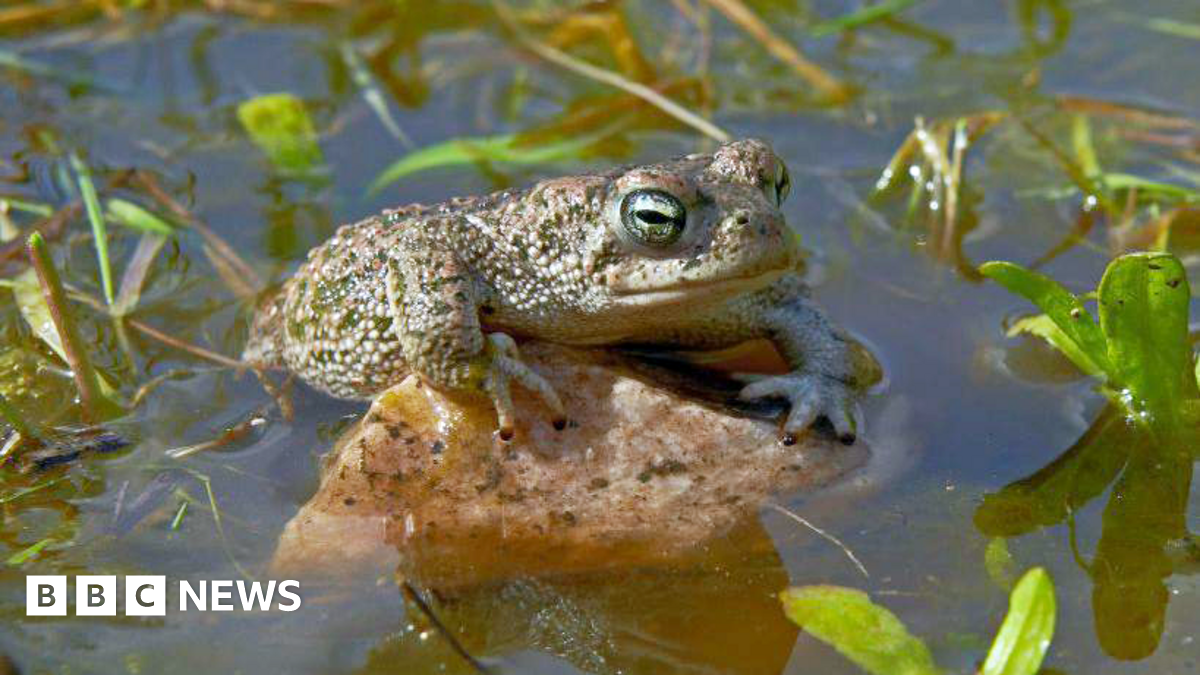
Study finds salt levels impact natterjack toad size and survival in Scotland
A study of Scotland's only natterjack toad colonies reveals that salt levels in their breeding sites significantly impact their size and sur
 bbc.co.uk·15h ago
Shrinking habitat threatens Sumatran elephants as seven die in Bengkulu since 2018
Two Sumatran elephants, a mother and her calf, were found dead in Bengkulu province, Indonesia, alongside a tiger. With tusks intact, poachi
 theguardian.com·3d ago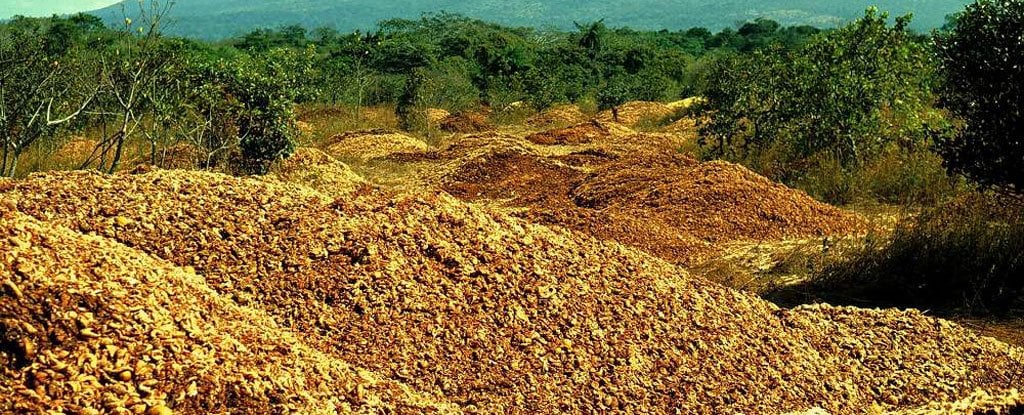
Abandoned Orange Peel Dumping Project Transforms Barren Costa Rican Land into Thriving Forest
An abandoned conservation experiment from the mid-1990s, where a juice company dumped 12,000 tonnes of orange peel waste on barren pasturela
 sciencealert.com·1mo ago
Climate Change Slows Water Mixing in Crater Lake, Threatening Ecosystem Health
Scientists are studying how climate change is affecting the mixing of water layers in deep lakes like Crater Lake in Oregon. The annual mixi
 quantamagazine.org·6mo ago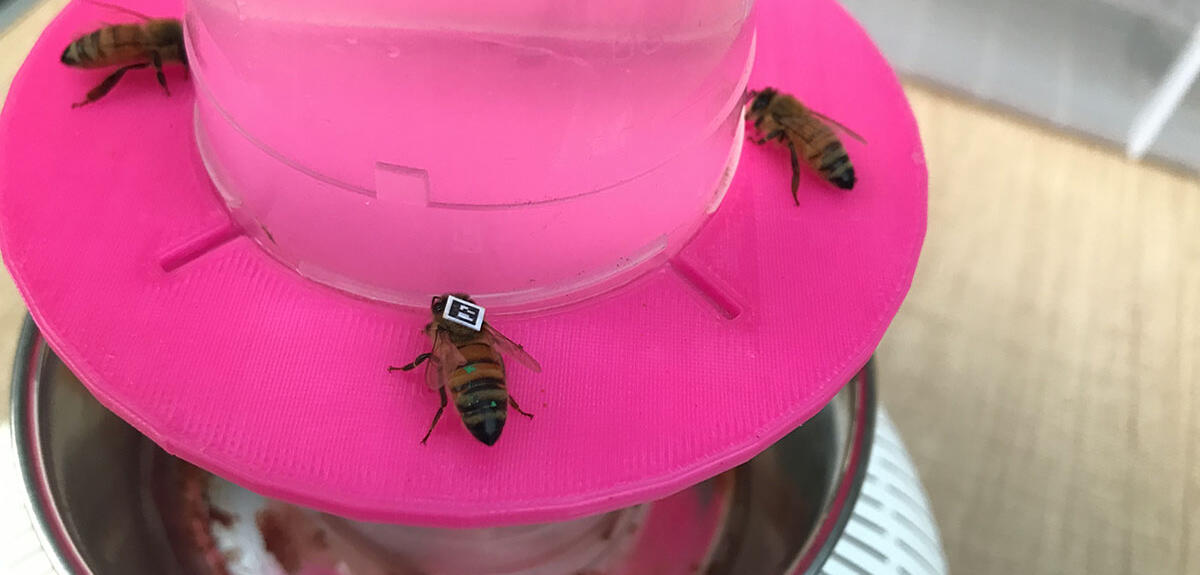
Fukushima Radioactivity Study Examines Cognitive Impact on Pollinating Insects
Scientists are conducting research in the Fukushima contaminated area to study how radioactivity affects the cognitive abilities of pollinat
 news.cnrs.fr·8mo ago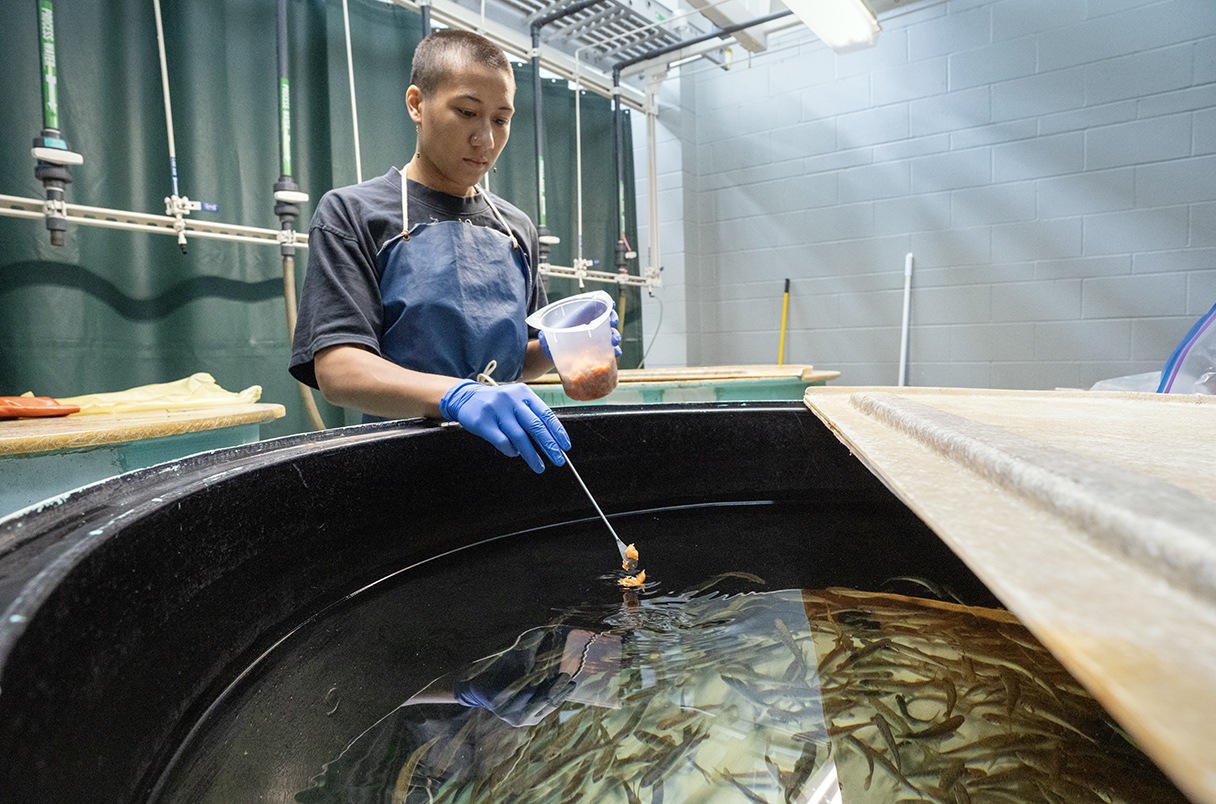
Parasite Identified as Primary Cause of Alaska's Declining Chinook Salmon Populations
Scientists have identified a parasite called Ichthyophonus as a major factor in the dramatic decline of Chinook salmon in Alaska's Yukon Riv
 science.org·9mo ago