





















Shrinking habitat threatens Sumatran elephants as seven die in Bengkulu since 2018
By
Guardian staff reporter

Hot, fresh, and worth queueing round the block for.
Summary
Two Sumatran elephants, a mother and her calf, were found dead in Bengkulu province, Indonesia, alongside a tiger. With tusks intact, poaching is unlikely. Conservationists point to shrinking habitat as a primary threat, noting that seven wild elephants have died in Bengkulu since 2018. The Sumatran elephant population, once thriving in the Seblat district, faces increasing pressure from deforestation and human-wildlife conflict.
Key quotes
· 3 pulledThe mother and her calf were lying side by side with their tusks still intact.
It is estimated that seven wild elephants have died in Bengkulu since 2018.
Conservationists say the animal's shrinking habitat may be the first place to look.
You might also wanna read


Parasite Identified as Primary Cause of Alaska's Declining Chinook Salmon Populations
Scientists have identified a parasite called Ichthyophonus as a major factor in the dramatic decline of Chinook salmon in Alaska's Yukon Riv
 science.org·9mo ago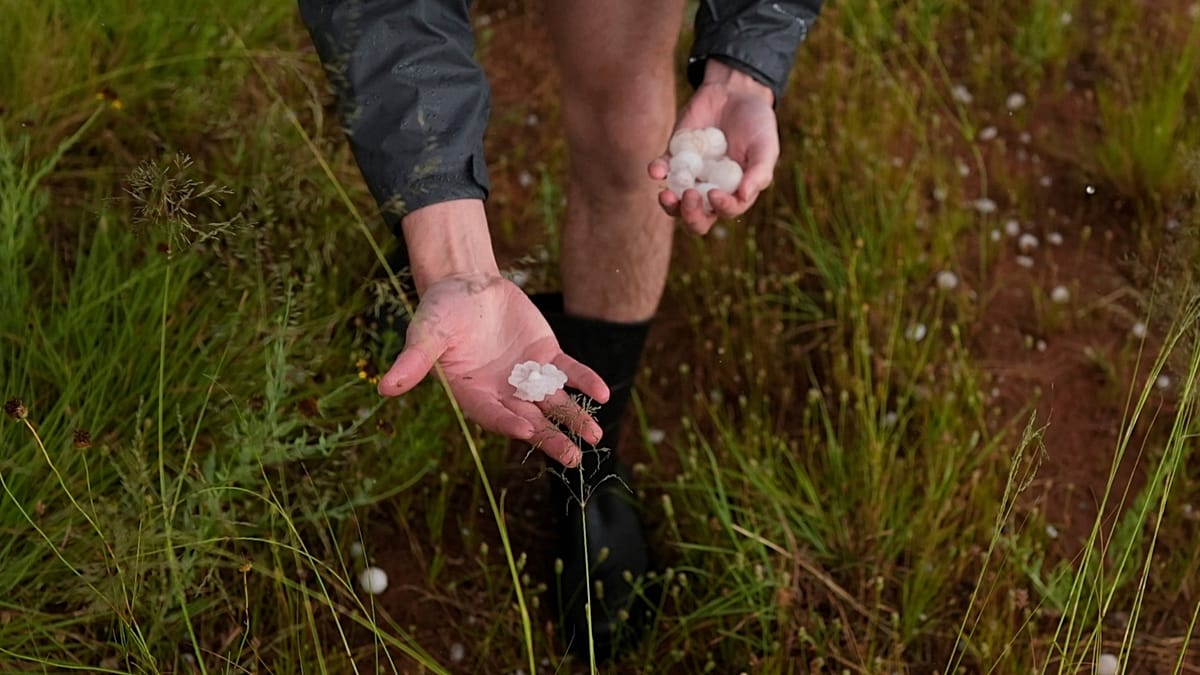
Study: Climate change could increase large hailstones by nearly 50% by 2100
A new study published in Nature warns that climate change will significantly increase the frequency of large hailstones (bigger than a marbl
 euronews.com·1h ago
Study finds salt levels impact natterjack toad size and survival in Scotland
A study of Scotland's only natterjack toad colonies reveals that salt levels in their breeding sites significantly impact their size and sur
 bbc.co.uk·22h ago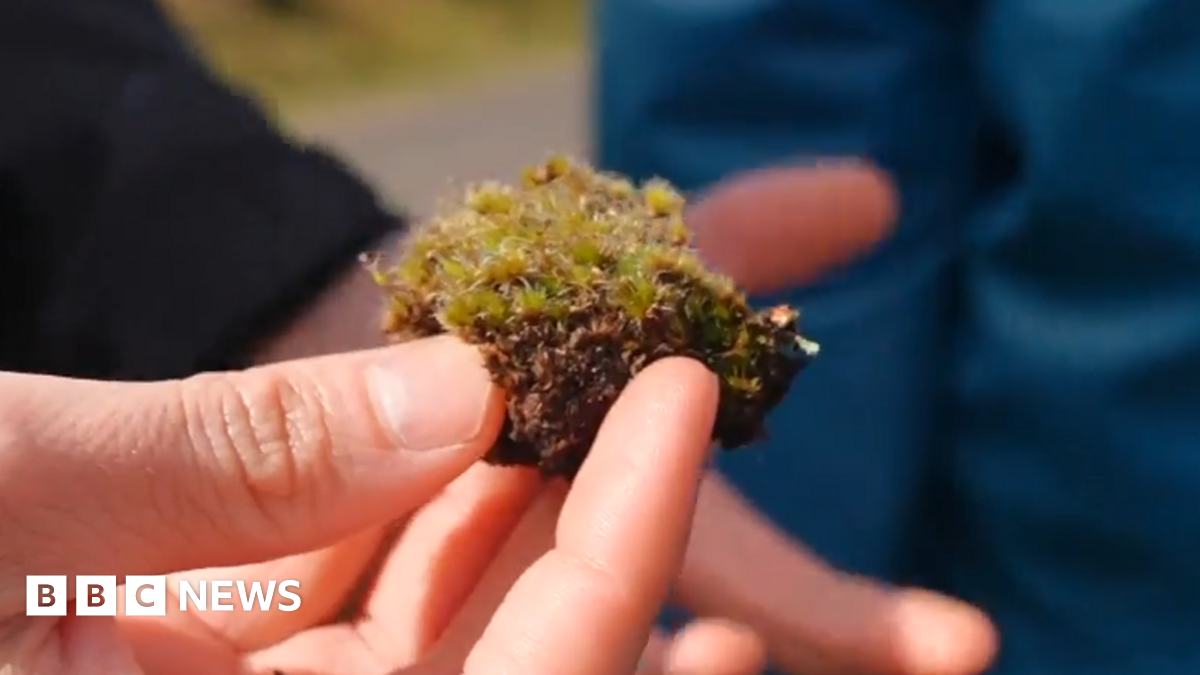
Newly discovered fungus could help control invasive moss threatening UK habitats
A newly discovered killer fungus species shows promise for controlling the invasive heath-star moss that threatens UK native habitats like t
bbc.co.uk·1d ago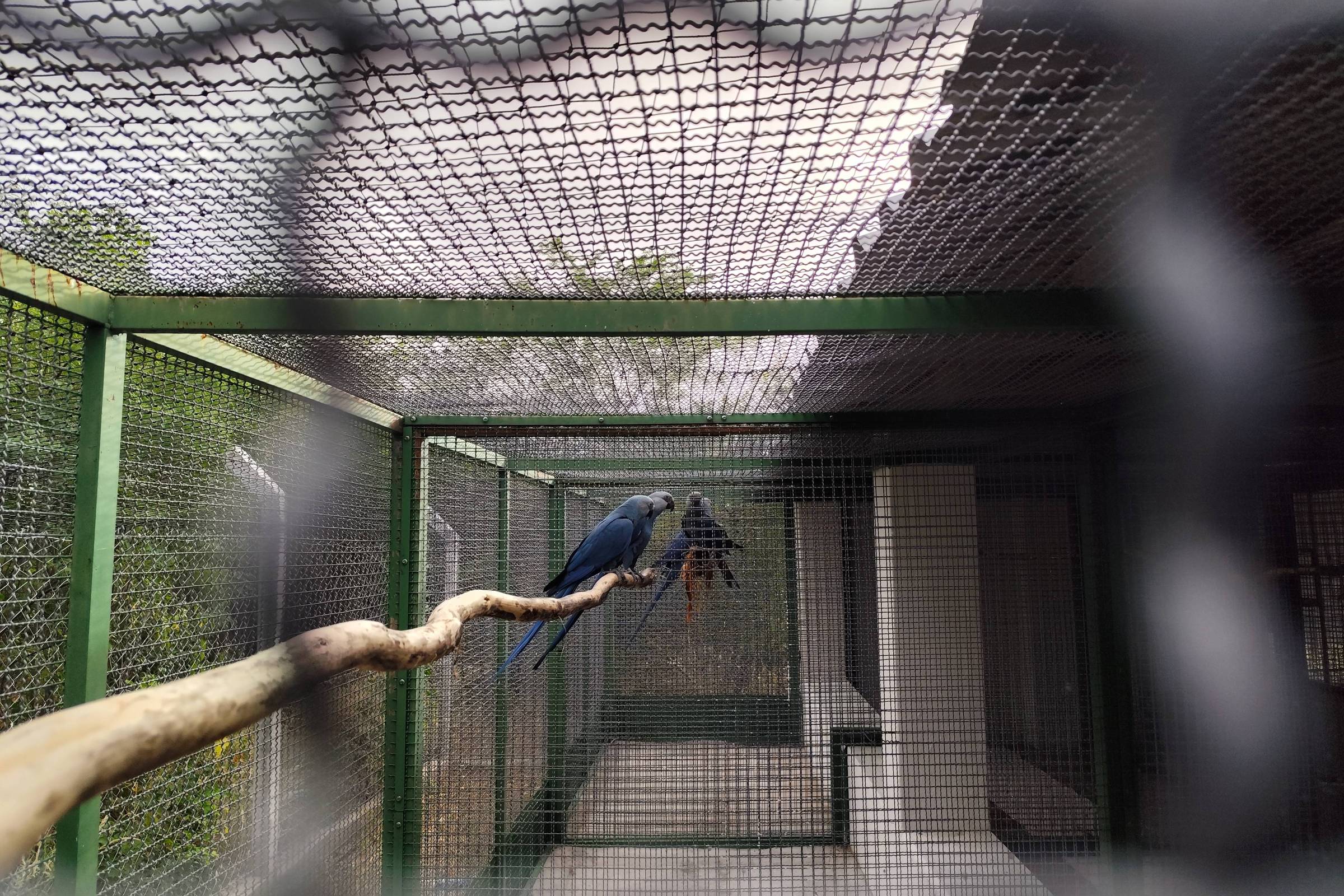
Opinião: A saga da ararinha-azul, joia da caatinga, ganha novo capítulo dramático
This opinion piece discusses the little-known caatinga biome (the only 100% Brazilian biome) and its beauty, while introducing the story of
 mla.bs·1d ago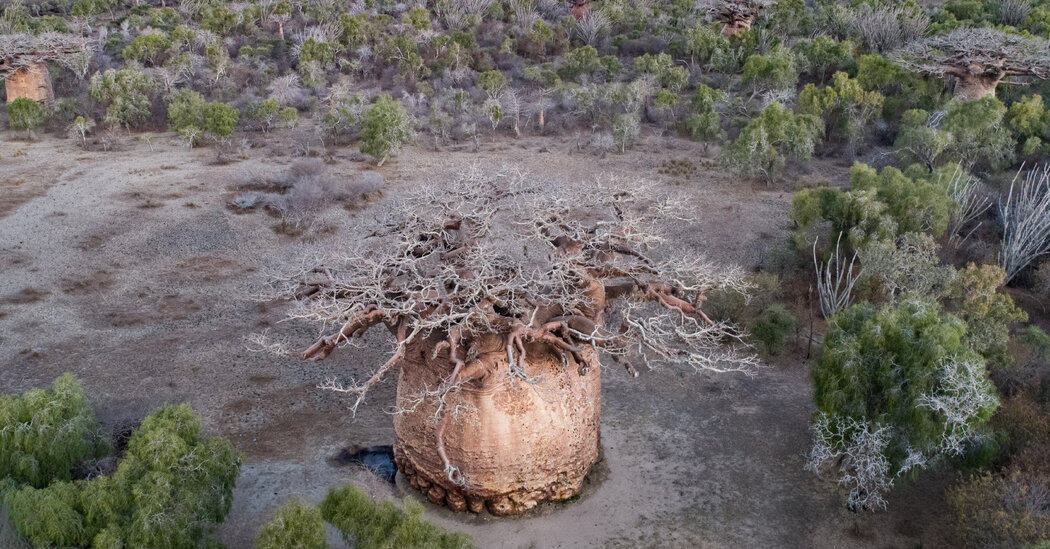
Sacred 1,500-Year-Old Baobab Tree in Madagascar Shows Signs of Decay
A centuries-old sacred baobab tree called Tsitakakantsa in Madagascar's Andombiry Forest is slowly dying, showing signs of decay including a
 nytimes.com·1d ago