
























Farnesylation-driven KRAS phase separation identified as mechanism promoting colon tumor growth
Through farnesylation-driven phase separation, KRAS forms cytoplasmic condensates that facilitate its processing and signaling, driving tumor growth and impacting G12C inhibition efficacy.
Read the full articleYou might also wanna read

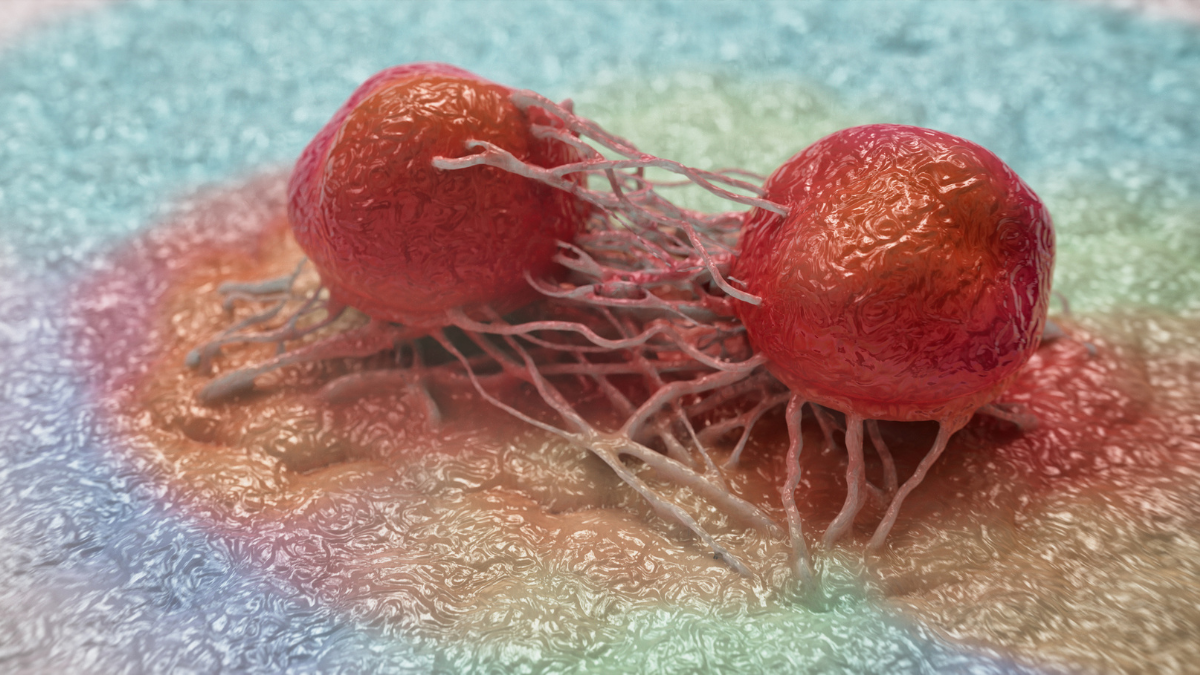
Lab Study Finds Compound Stops 90% of Pancreatic Cancer Cell Migration
Pancreatic ductal adenocarcinoma, the most common form of pancreatic cancer, is particularly deadly and hard to treat.
 sciencealert.com·14d ago
Lab Study Finds Compound Stops 90% of Pancreatic Cancer Cell Migration
Pancreatic ductal adenocarcinoma, the most common form of pancreatic cancer, is particularly deadly and hard to treat.
sciencealert.com·14d ago
Naveni® Plex Omni Service – The Future of Spatial Interactomics
Many of you will remember having to memorize numerous cellular signal transduction pathways during your studies – including, most likely, th
HNF4α controls growth, identity, and KRAS inhibitor response in invasive mucinous adenocarcinoma of the lung
Cellular plasticity is a hallmark of cancer, enabling tumor cells to alter identity and evade therapeutic pressure. In invasive mucinous ade
Multiomic analyses delineate human neuroendocrine tumor cell states in relation to normal enteroendocrine cell ontogeny
Cancers reflect aberrant growth and differentiation of normal cell populations. Biological understanding of small intestine neuroendocrine t
The perinecrotic niche of glioblastoma drives tumor-associated macrophage polarization and immunosuppression via podoplanin-mediated CLEC5A activation
Glioblastoma (GBM), isocitrate dehydrogenase-WT (IDH-WT) (WHO grade 4) is the most common malignant glioma in adults and is characterized by
Steatosis shapes prognosis-defining liver metastasis heterogeneity in CRC
Nature, Published online: 01 July 2026; doi:10.1038/s41586-026-10686-2 Liver steatosis increases formation of replacement liver metastases b
Comments
Sign in to join the conversation.
No comments yet. Be the first.