
























Study reveals how opposing oncogenic and tumor-suppressive forces converge to drive benign-to-malignant transition in pancreatic cancer
Opposing oncogenic and tumor-suppressive forces establish a progenitor-like state that builds a self-reinforcing niche to drive benign-to-malignant transition in pancreatic cancer models. Disruption…
Read the full articleYou might also wanna read
Restraint of melanoma progression by cells in the local skin environment
Keratinocytes, the dominant cell type in the melanoma microenvironment during tumor initiation, exhibit diverse effects on melanoma progress

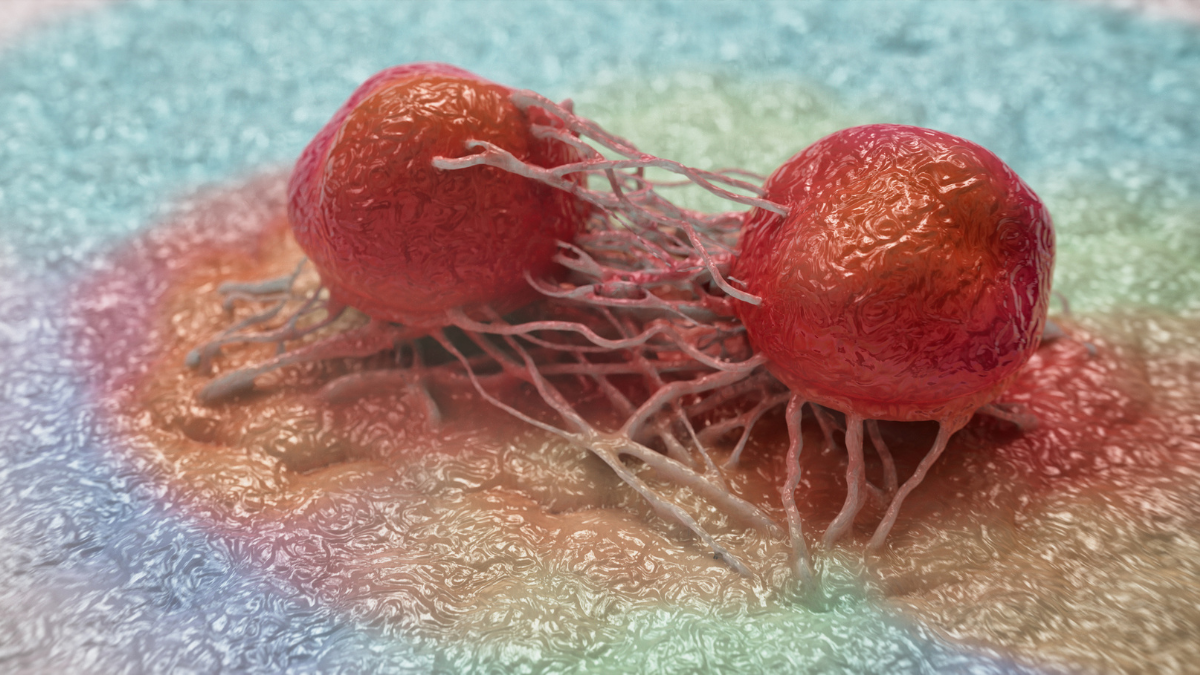
Lab Study Finds Compound Stops 90% of Pancreatic Cancer Cell Migration
Pancreatic ductal adenocarcinoma, the most common form of pancreatic cancer, is particularly deadly and hard to treat.
 sciencealert.com·8d ago
Lab Study Finds Compound Stops 90% of Pancreatic Cancer Cell Migration
Pancreatic ductal adenocarcinoma, the most common form of pancreatic cancer, is particularly deadly and hard to treat.
sciencealert.com·8d agoPatient-Derived Organoid-on-a-Chip Model for Personalized Prediction of Chemotherapy Efficacy in Pancreatic Cancer
Conditions : Pancreatic Ductal Adenocarcinoma (PDAC) Sponsors : Beijing Daxiang Biotech Co., Ltd; Ruijin Hospital; Beijing Friendship Hospit
Research Spotlight: A New Era of Progress Against Pancreatic Cancer
May 27, 2026 - By Anna Berkenblit, MD, MMSc Editor’s note: The “Research Spotlight” series is written by Dr. Anna Berkenblit , PanCAN’s Chie
Research Spotlight: Highlights from the ASCO Annual Meeting and Beyond
Jun 24, 2026 - By Anna Berkenblit, MD, MMSc Editor’s note: The “Research Spotlight” series is written by Dr. Anna Berkenblit , PanCAN’s Chie

Tumor-on-a-Chip Reveals How Pancreatic Cancer Hijacks Immune Cells
A new tumor-on-a-chip model shows how pancreatic cancer uses immune cells to survive and resist treatment.
Comments
Sign in to join the conversation.
No comments yet. Be the first.