
























HST Confirms Sub-5 kpc Dual Quasar Pairs at Cosmic Noon
Qian Wang et al 2026 ApJ 997 269 Using a novel combination of direct imaging and grism spectroscopy, researchers have resolved and spectroscopically confirmed the two components of a close pair of…
Read the full articleYou might also wanna read

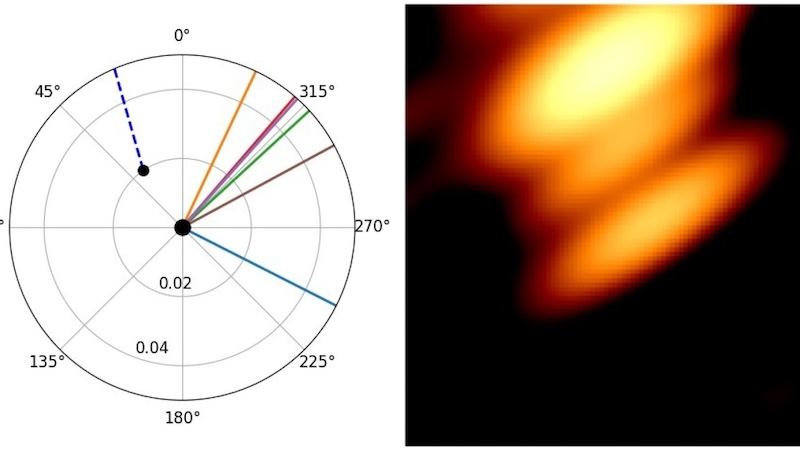
First Image Captured of Two Black Holes Orbiting Each Other in Distant Quasar
Researchers have released the first confirmed image of two black holes orbiting each other. The observation confirms a theory that has remai
 helsinkitimes.fi·8mo ago
A Wave of Ancient Quasars from the Dawn of the Universe
Keck Observatory and ESA’s Euclid mission double the known population, including the two most distant quasars ever found Maunakea, Hawaiʻi –
Quasar at the Dawn of the Universe “Blinked” for Astronomers have observed the flickering quasar J0439+1634 as it appeared just 850 million years after the Big Bang — one of the earliest such objects
Quasar at the Dawn of the Universe “Blinked” for Astronomers have observed the flickering quasar J0439+1634 as it appeared just 850 million
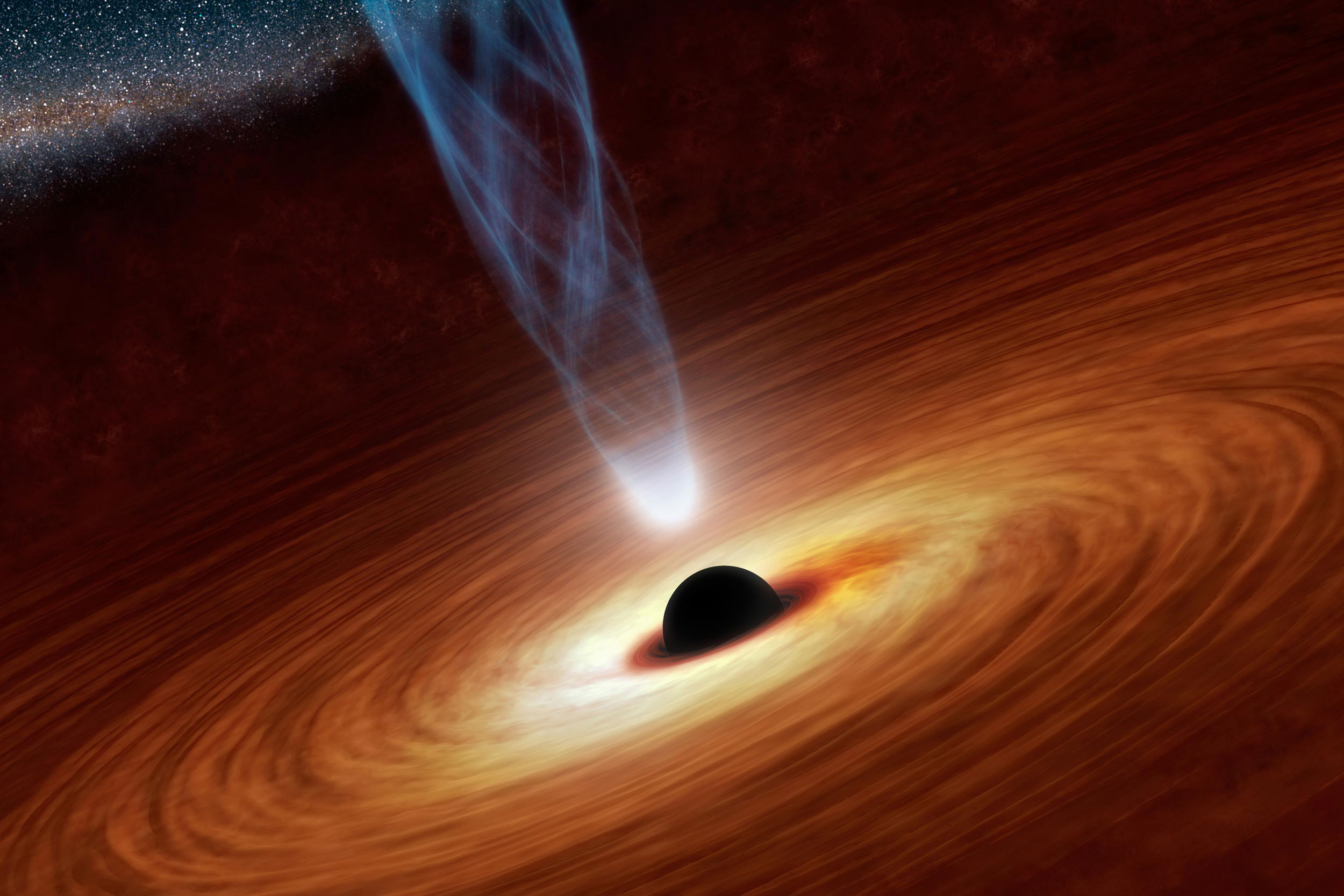
MIT astronomers detect earliest known flickering quasar from cosmic dawn era
Scientists detected a quasar flickering from the very early universe, a time known as the “cosmic dawn,” just 850 million years after the Bi
 news.mit.edu·1mo ago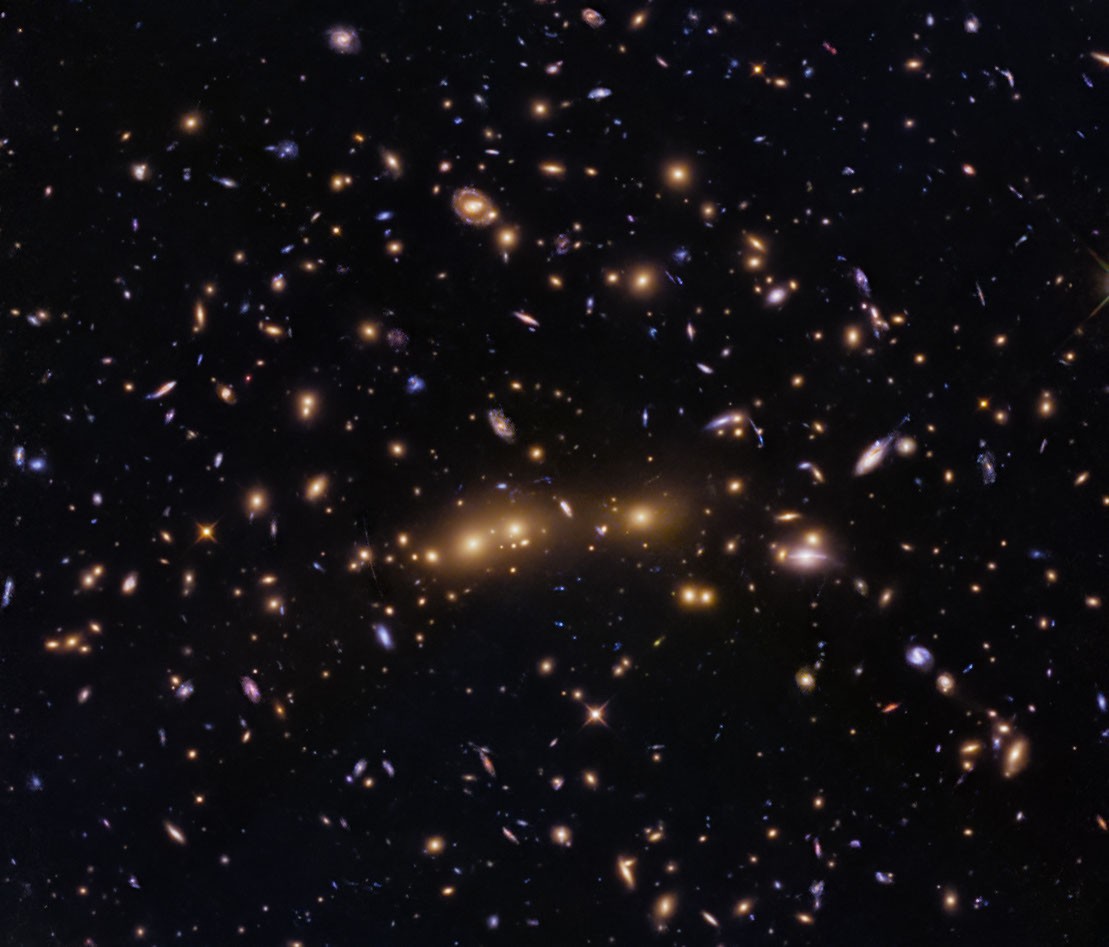
Hubble Captures Merging Galaxy Cluster CL0016+1609 in New Image
This NASA Hubble Space Telescope image features a galaxy cluster, called CL0016+1609 or MACS J0018.5+1626.
 go.nasa.gov·21d ago
Telescope spots most distant quasars ever discovered
Quasars — the brightest objects in the universe — are powered by supermassive black holes at the heart of early galaxies.
Comments
Sign in to join the conversation.
No comments yet. Be the first.