

























Bending, breaking, and blending: The three cognitive tools behind human innovation
By
Guest Blogger
Summary
Anthony Brandt and David Eagleman explore how human creativity operates through three fundamental cognitive operations—bending, breaking, and blending—that have driven innovation from ancient times to the present. The article argues that these mental tools are universal across all creative domains (music, art, science, technology) and have accelerated innovation throughout human history, from the Agricultural Revolution to modern digital breakthroughs. The authors contend that understanding these core creative processes can help individuals and organizations foster more effective innovation.
Source
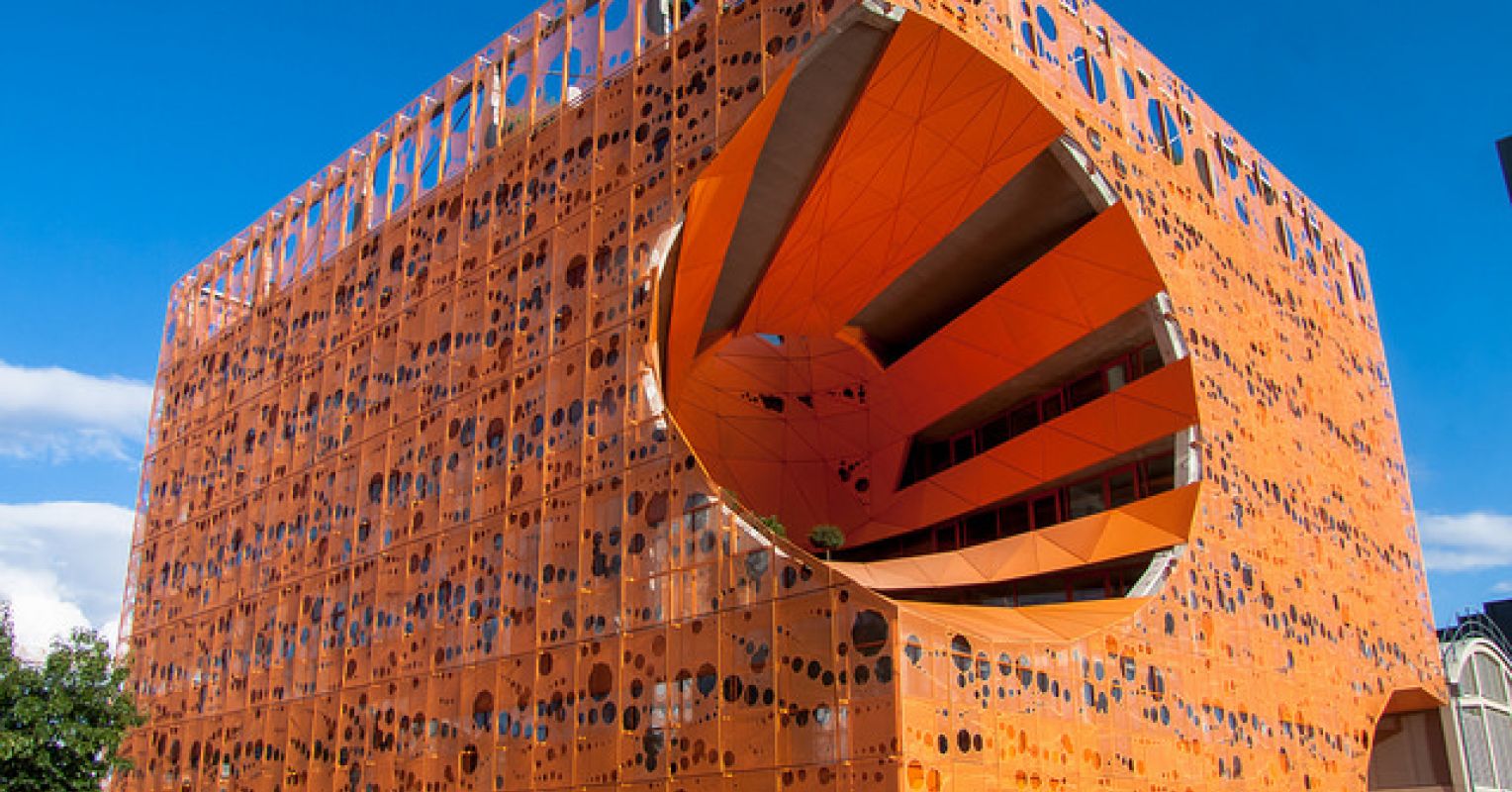
 bskyBending, breaking, and blending: The three cognitive tools behind human innovationpsychologytoday.com
Key quotes
· 3 pulledHumans are continually creative: Whether the raw material is words or sounds or sights, we are food-processors into which the world is fed, and out of which something new emerges.
Eight millennia transpired between the Agricultural Revolution and the Industrial Revolution. Then it only took 120 years to get from the Industrial Revolution to the light bulb.
Our innate cognitive software, multiplied by the massive population of homo sapiens, has produced a society with increasingly faster innovation, one that feeds upon its latest ideas.
You might also wanna read


Why Fewer Ideas Can Lead to Better Creativity and Design
Eric Olive challenges the conventional wisdom around brainstorming and idea quantity, arguing that fewer, more focused ideas lead to better
 Smashing Magazine·1y ago
Neurodivergent Thinking as an Asset in System Design and Problem-Solving
The article explores how neurodivergent thinking patterns, often seen as defects in social contexts, can be valuable assets in system design
 blog.drjoshcsimmons.com·5mo ago
In the age of AI content generation, creative taste matters more than production skills
The article argues that the creative industry has undergone a fundamental shift: production is no longer the bottleneck in creative work. Wi
 Creative Boom·2d ago
A Personal Journey Through AI Tool Adoption: From Inefficiency to Workflow Transformation
The article describes the author's personal journey of adopting AI tools, outlining a three-phase process: initial inefficiency, followed by
mitchellh.com·9d agoA Personal Journey Through AI Tool Adoption: From Inefficiency to Workflow Transformation
The article describes the author's personal journey of adopting AI tools, outlining a three-phase process: initial inefficiency, followed by
mitchellh.com·9d ago
How Generative AI Flattens Creative Individuality: A Comic Exploration
This article explores how generative AI is homogenizing creative expression across industries, using a comic format to illustrate how AI too
 itsnicethat.com·8mo ago
Reflections on the Lost Art of Personal Computing: From Creative Exploration to Consumerist Practice
The article reflects on the evolution of personal computing from a creative, exploratory activity to today's consumerist and professionalize
 josh8.com·3mo ago