
























How we came to understand El Niño
From the article
For centuries, farmers, fishermen, and forecasters saw pieces of the same climate pattern. Modern observations revealed how a warming Pacific can reshape weather around the world. Now global warming is making some of those effects harder to predict. The post How we came to understand El Niño appeared first on The Salata Institute .
Continue reading on Harvard T.H. Chan School of Public HealthYou might also wanna read

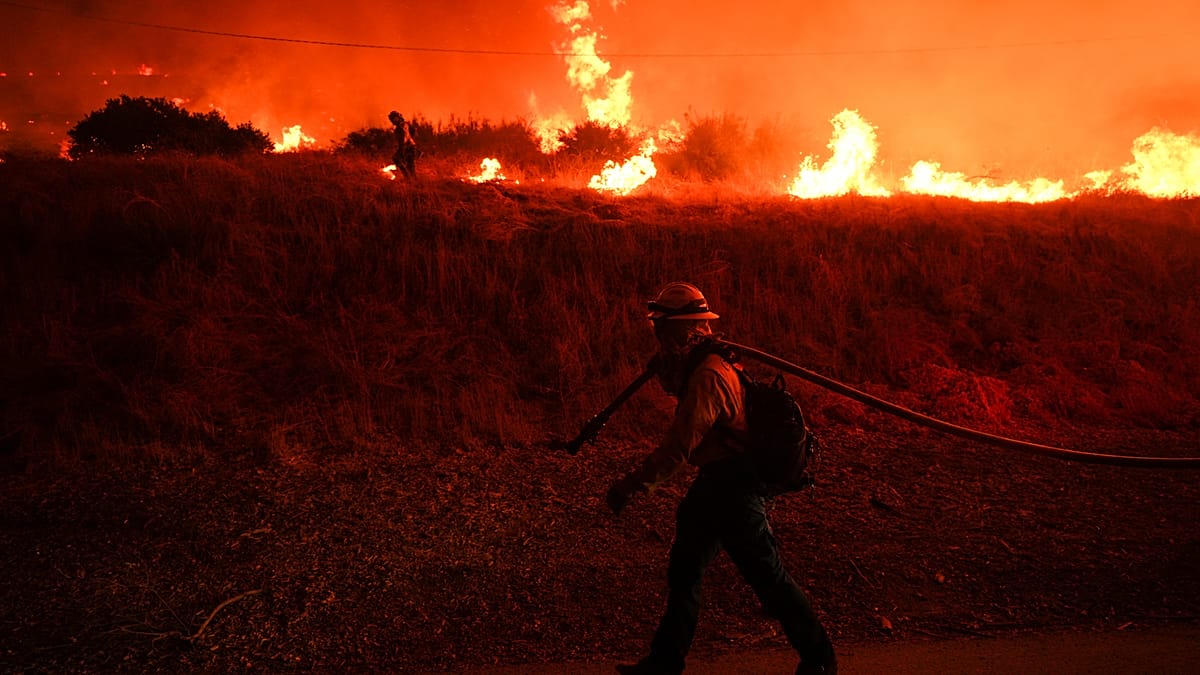
NOAA confirms El Niño formation, scientists warn of historic strength and extreme weather impacts
NOAA has confirmed the formation of El Niño in the Pacific Ocean, with meteorologists warning it could reach historic strength. The natural
 euronews.com·27d ago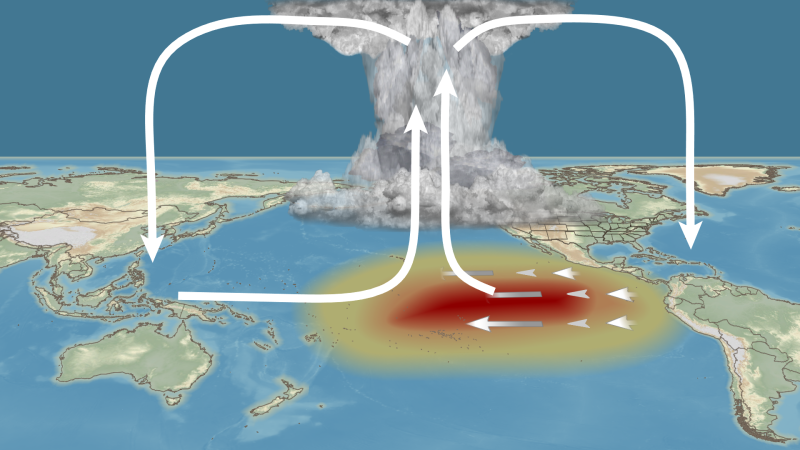
NOAA confirms El Niño has begun and is forecast to intensify into a strong event with global weather impacts
El Niño has officially begun and is forecast to rapidly intensify into a very strong or "Super" El Niño, according to a new NOAA report. Thi
 cnn.com·28d ago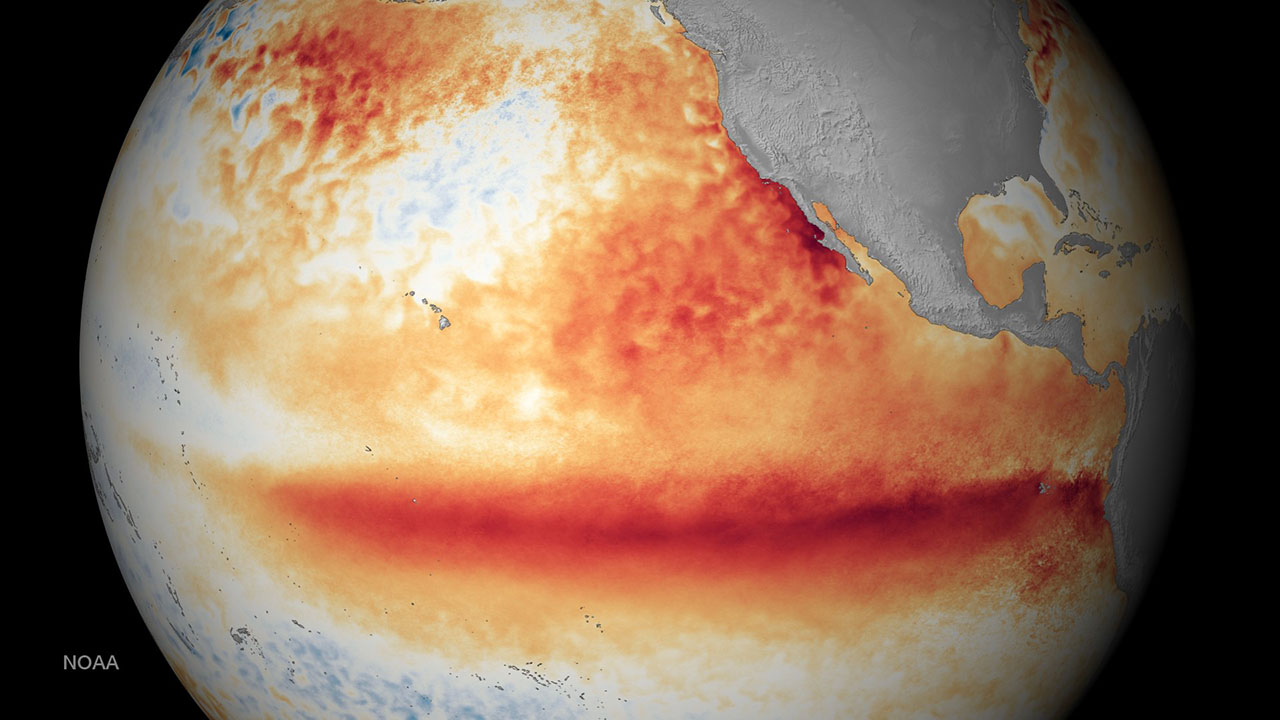
El Niño: A natural climate pattern driving global weather and temperature extremes
El Niño is a natural climate pattern characterized by unusually warm ocean temperatures in the Pacific, occurring irregularly every two to s
 ncas.ac.uk·1mo ago
Day-night ocean warming helps explain why El Niño outpaces La Niña in models
Phys·2d ago
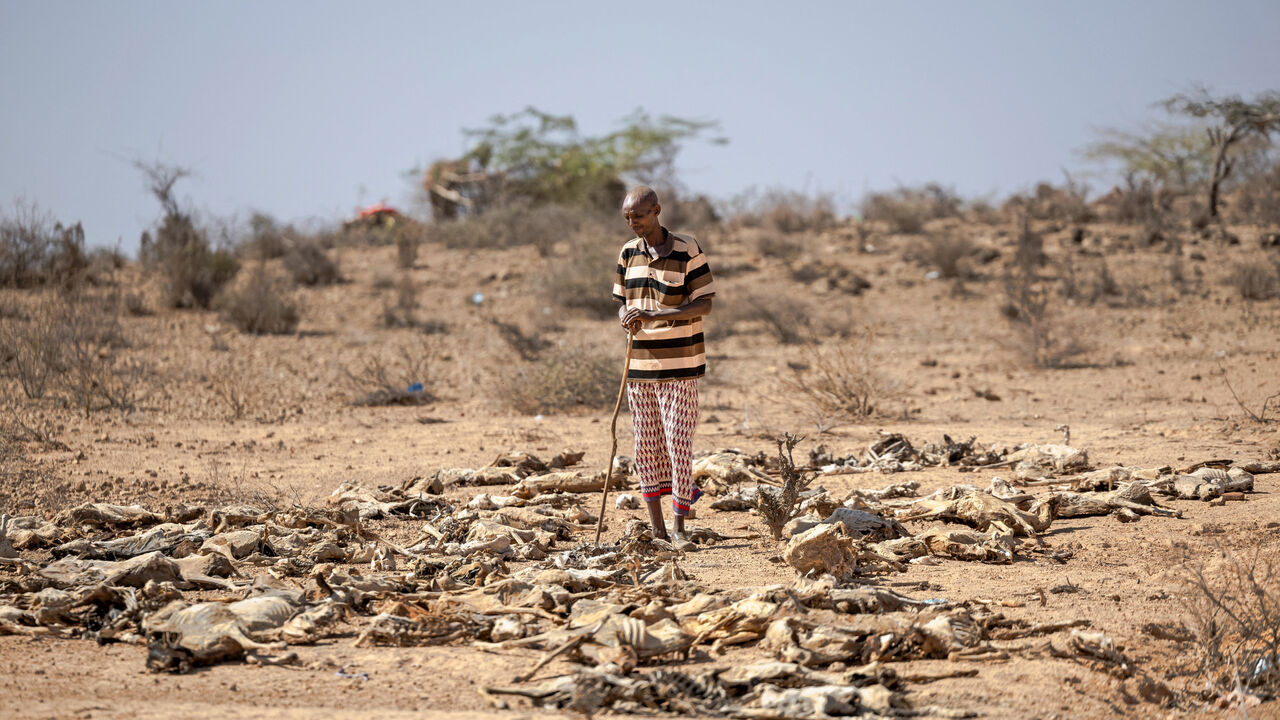
Upcoming El Niño could be the strongest on record, posing risks for a warming world
The article discusses the phenomenon of El Niño, which was first observed by Peruvian fishermen centuries ago when anchovies would disappear
 economist.com·22d ago
El Niño officially begins, threatening farmers worldwide with extreme drought and rainfall
The El Niño weather phenomenon has officially begun, with US forecasters at NOAA warning it could be the strongest this century. The article
 motherjones.com·16d ago
Comments
Sign in to join the conversation.
No comments yet. Be the first.