





















How the Ultra-Rich Are Pursuing Immortality Through Science and Technology
By
moichael

Right out the toaster. Reliable, with some real depth.
Summary
The article explores how wealthy and powerful individuals — from historical emperors to modern Silicon Valley billionaires — are increasingly obsessed with extending human lifespan and achieving immortality. It draws parallels between ancient rulers who sought eternal life and today's tech moguls investing heavily in anti-aging research, biotechnology, and life extension technologies. The piece examines the ethical implications and societal consequences of a future where the ultra-rich could potentially live far longer than the general population.
Key quotes
· 3 pulledOne day, two emperors — the emperor of China and the emperor of Russia — were walking side by side through the Forbidden City.
Both emperors were 72 years old, about the age at which the people they ruled over typically died.
they talked contentedly through their interpreters, of the possibility of cheating death.
You might also wanna read

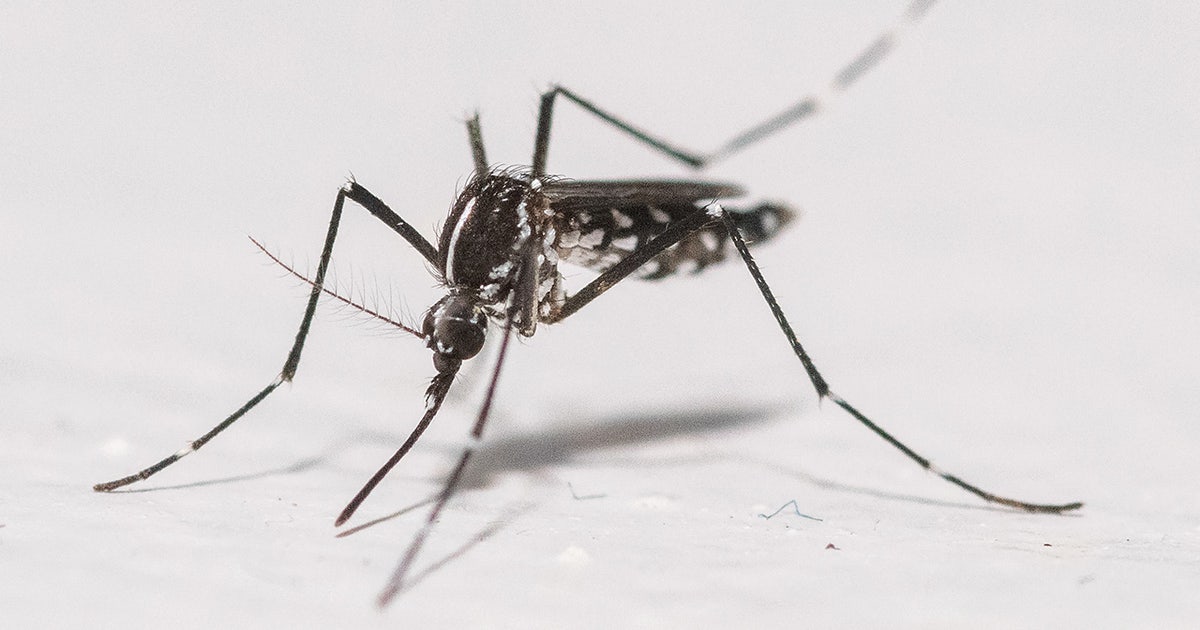
Google's Debug program seeks EPA approval to release 64 million modified mosquitoes in California and Florida
Google's Debug program plans to release up to 64 million genetically modified "good" mosquitoes in California and Florida over two years to
 bit.ly·41m ago
Edible electronic sensors could enable safe internal medical monitoring
Researchers in Belgium and the Netherlands have developed edible electronic components—including wireless transmitters, microchips, batterie
 econ.st·18h ago
Study Finds Association Between Daily Generative AI Use and Higher Depressive Symptoms in US Adults
This survey study examines the association between daily generative AI use and depressive symptoms among US adults. The research analyzes da
 jamanetwork.com·3mo ago
From Waterborne to Airborne Disease Prevention: How Germicidal UV Could Transform Public Health
The article discusses the historical context of typhoid fever outbreaks in the United States (1860s-1920) that killed over 300,000 Americans
 worksinprogress.news·8mo ago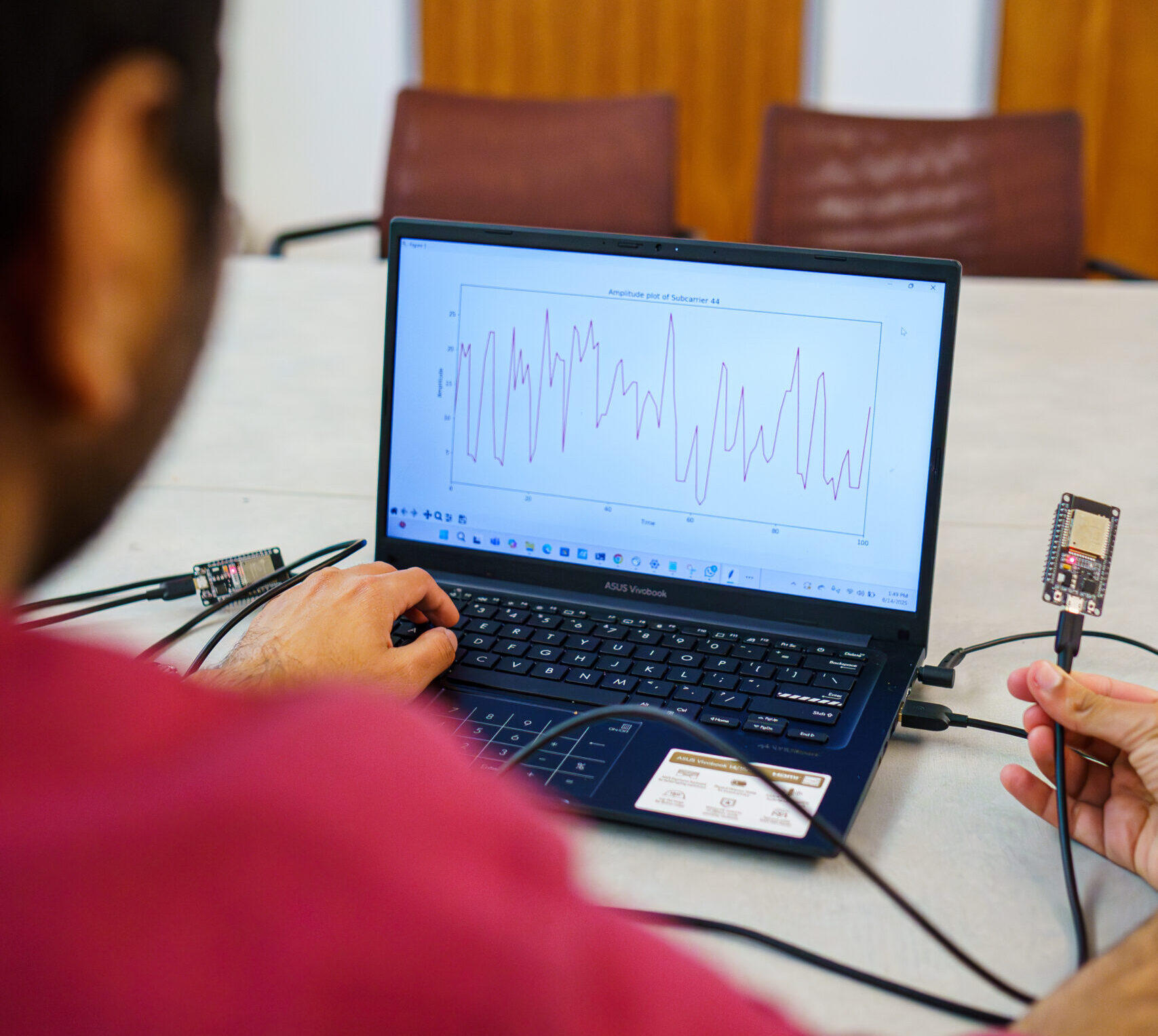
UC Santa Cruz Engineers Develop WiFi-Based Heart Rate Monitoring Without Wearables
Engineers at UC Santa Cruz have developed a method to measure heart rate using standard WiFi signals without any wearable devices. The resea
 news.ucsc.edu·8mo ago
Understanding the Impact of Technology on Cognitive Performance
The article discusses the impact of technology on cognitive performance, particularly the effects of having a phone nearby while working and
amirsharif.com·10mo ago