

























Telecom Operators Face Challenges Scaling Autonomous Networks with Agentic AI
By
Amogh Dendukuri
Summary
Telecom operators are adopting AI across network operations, customer care, and back-office workflows, but most remain at early stages (Level 2–3) of TM Forum's autonomous networks taxonomy. Achieving higher autonomy (Level 4–5) requires autonomous agents capable of understanding operator intent, sensing networks in real time, researching plans, weighing trade-offs, and coordinating governed actions across multiple domains. The article explores the technical and operational challenges telcos face in progressing toward fully autonomous network management using agentic AI.
Source

 bskyTelecom Operators Face Challenges Scaling Autonomous Networks with Agentic AIdeveloper.nvidia.com
Key quotes
· 3 pulledTelecom operators are adopting AI across network operations, customer care, and back-office workflows, but most are still early in the journey to autonomy.
In network operations, for example, automation typically sits in the Level 2–3 band of TM Forum's autonomous networks levels taxonomy, streamlining execution of predefined solutions in selective network domains.
Reaching Level 4–5 autonomy requires autonomous agents that can understand operator intent, sense the network in real time, research and develop plans, weigh trade‑offs, and coordinate governed actions across domains.
You might also wanna read


Practical Challenges in AI Agent Design and Development
The article discusses the ongoing challenges in building AI agents, highlighting that despite advancements, agent design remains difficult a
 lucumr.pocoo.org·7mo ago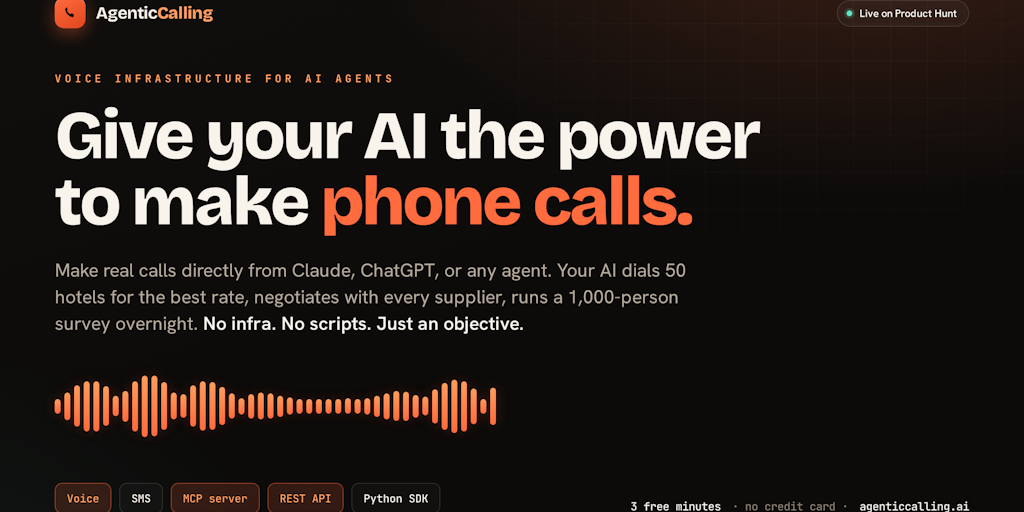
AgenticCalling Launches on Product Hunt: AI-Powered Autonomous Phone Calling Tool
AgenticCalling is a new product that gives AI agents (like Claude, ChatGPT) a dedicated phone number and the ability to make unscripted, goa
 Product Hunt·27d ago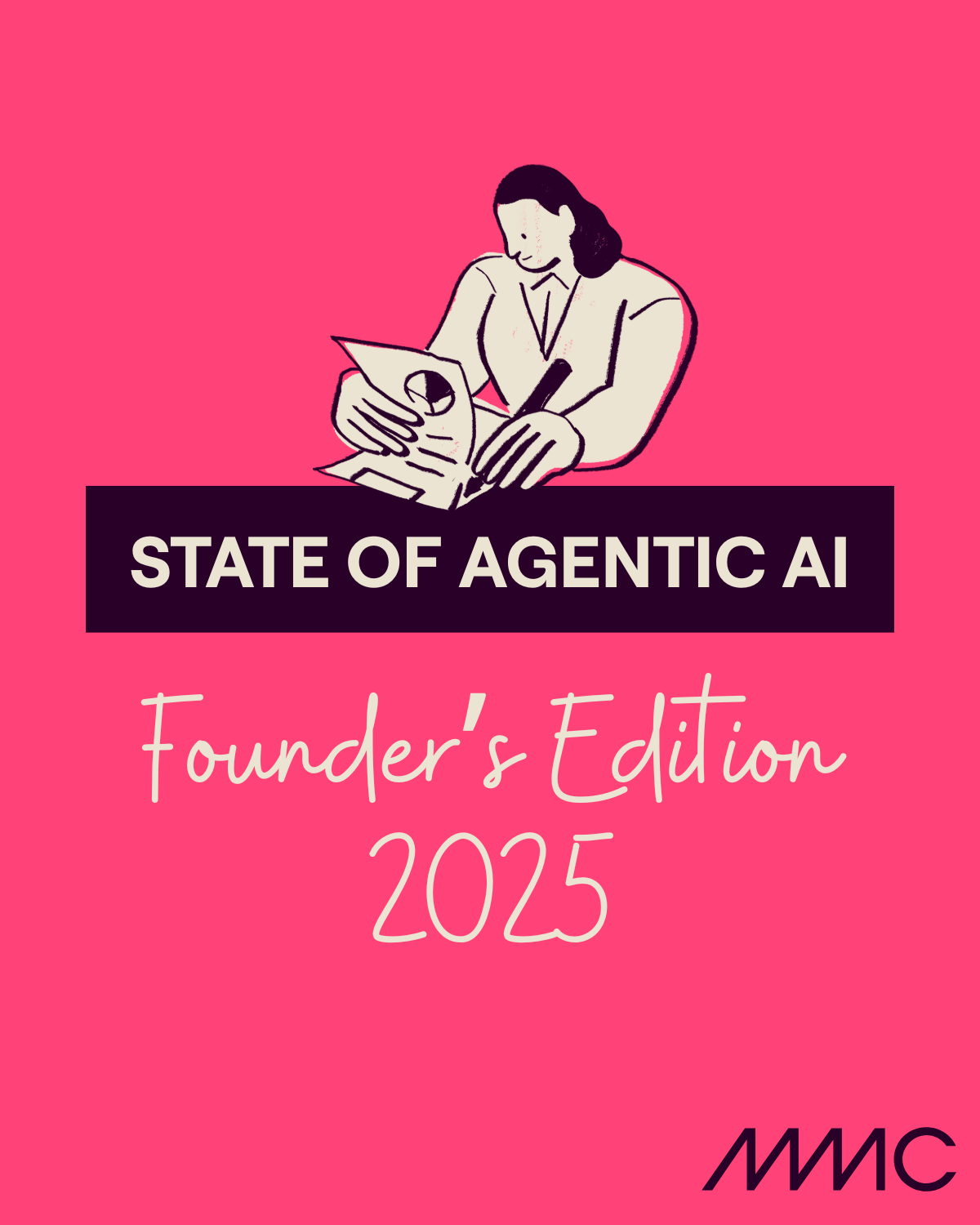
Agentic AI Enterprise Scaling: Insights from 70+ Founders and Practitioners
This article explores the current state of agentic AI through insights from over 70 founders and practitioners, examining how AI startups ar
 mmc.vc·7mo ago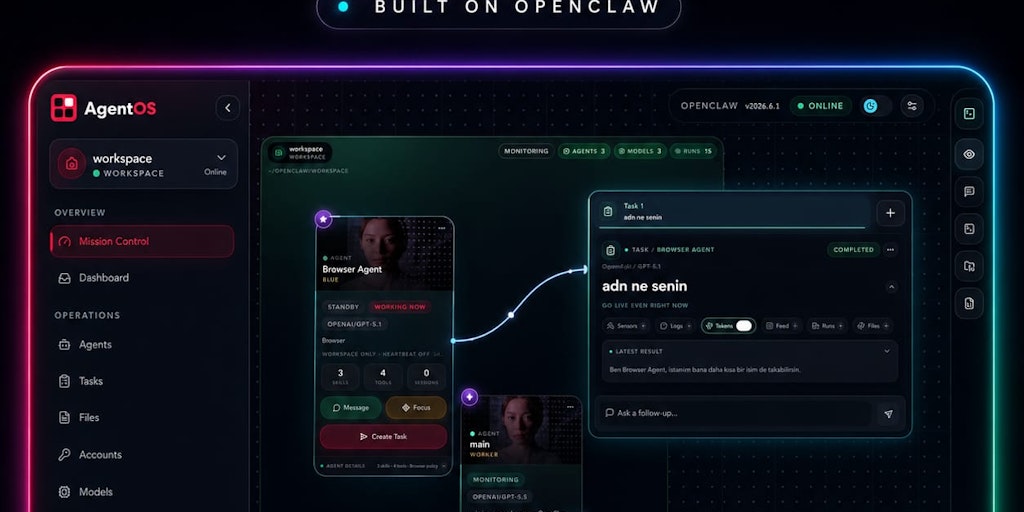
AgentOS: A local-first control layer for managing multiple AI agents across projects
AgentOS is a local-first control layer for managing multiple AI agents across projects. Built on OpenClaw, it provides structure for organiz
Product Hunt·14d ago
Research Paper Analyzes Challenges and Future Directions for AI Coding Autonomy
Researchers from Cornell University, MIT CSAIL, Stanford University, and UC Berkeley have published a paper analyzing the current limitation
 spectrum.ieee.org·9mo ago
Survey of Self-Evolving AI Agents: Bridging Foundation Models and Lifelong Adaptability
The article surveys the emerging field of self-evolving AI agents, which aim to bridge the static capabilities of foundation models with the
 arxiv.org·10mo ago
Comments
Sign in to join the conversation.
No comments yet. Be the first.