
























How Runtime Policy Layers Can Prevent AI Agents from Executing Harmful Actions
As AI agents gain the ability to call tools, write records, send emails, and trigger workflows, developers face a growing risk of unintended production damage even without malicious intent. A runtime…
Read the full articleYou might also wanna read

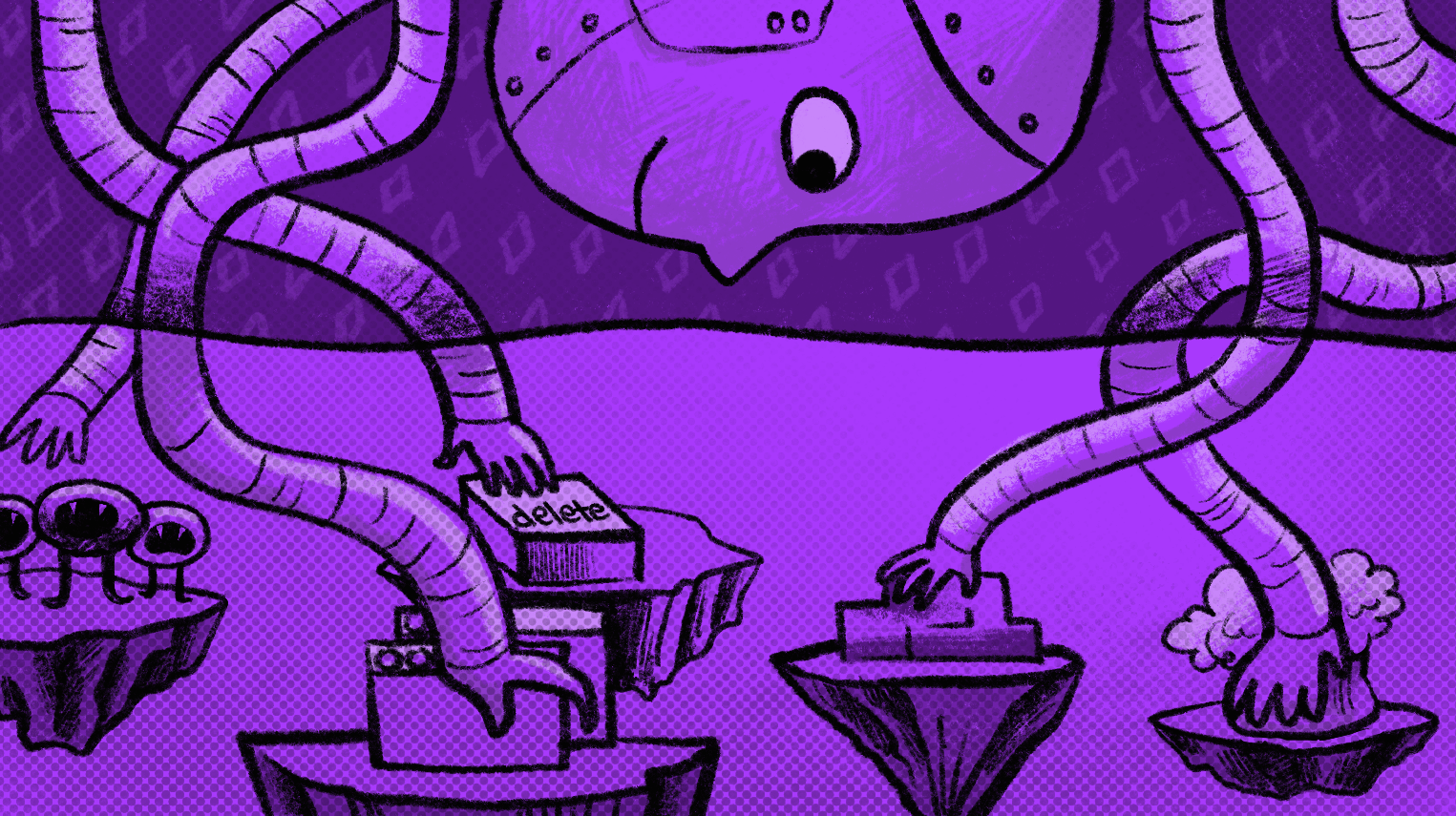
Building Robust AI Agents: Separating Runtime Environment from Code Execution
Where your agent runs and where it runs code are two different questions. Answer them separately.
 fly.io·4d ago
Why Access Controls Fail for AI Agents: The Intent Validation Gap
Access controls can confirm who or what is allowed to act. They cannot always tell whether the action makes sense. That gap becomes dangerou
 securityboulevard.com·23d ago
The New Security Control Point: Governing AI Agents Inside the Execution Loop
AI agents introduce security risk through the actions they take, not just the code they produce. Learn how agent behavior governance helps t

Token-Flow Firewall: Semantic Runtime Auditing for Persistent AI Agents
arXiv:2607.08395v1 Announce Type: cross Abstract: Persistent AI agents extend large language models (LLMs) beyond single-turn interaction in
Runtime: A Sandboxed Agent Platform for Team-Wide Tool Integration
The runtime for all your team's agents. Sandboxed coding agents with your company's context, integrations, and guardrails — triggered from S
 runtm.com·1mo ago
AI Coding Agents: Neural Networks at Buildtime, Traditional Software at Runtime
Robust AI architectures avoid neural networks at runtime, using them at buildtime instead.
 softwarefordays.com·5mo ago
Comments
Sign in to join the conversation.
No comments yet. Be the first.