
























Millions of Cheap Smart Home Devices Infected with Malware Used for Cyberattacks
By
Emma Scott, Jack Gillum, Noah Higgins-Dunn, Robert McMillan
Summary
Millions of everyday consumer devices, especially cheap knockoffs bought online, are being infected with residential proxy software (malware) that creates backdoors into home networks. This allows hackers and other actors to use these devices to power some of the most damaging cyberattacks on record. The Digital Citizens Alliance estimates there are 20 million such backdoors in the U.S. alone, highlighting a massive cybersecurity threat originating from questionable foreign companies turning cheap gadgets into attack tools.
Source

 bskyMillions of Cheap Smart Home Devices Infected with Malware Used for Cyberattackson.wsj.com
Key quotes
· 3 pulledMillions of everyday consumer devices, especially knockoffs that you buy online, are being infected by a malware known as residential proxy software.
This gives anyone—including hackers—a backdoor into home networks.
The Digital Citizens Alliance estimates that there are 20 million of these backdoors in the U.S.
You might also wanna read


Study Finds 35% of LG and Samsung Smart TV Apps Contain Residential Proxy SDKs That Sell Users' IP Addresses
A security investigation by Spur scanned 6,038 LG and Samsung smart TV apps and found that 2,058 (nearly 35%) contain residential proxy SDKs
 spur.us·2d ago
Kimwolf IoT Botnet Infects 2+ Million Devices, Targets Corporate and Government Networks
A new IoT botnet called Kimwolf has infected over 2 million devices, primarily targeting corporate and government networks. The malware forc
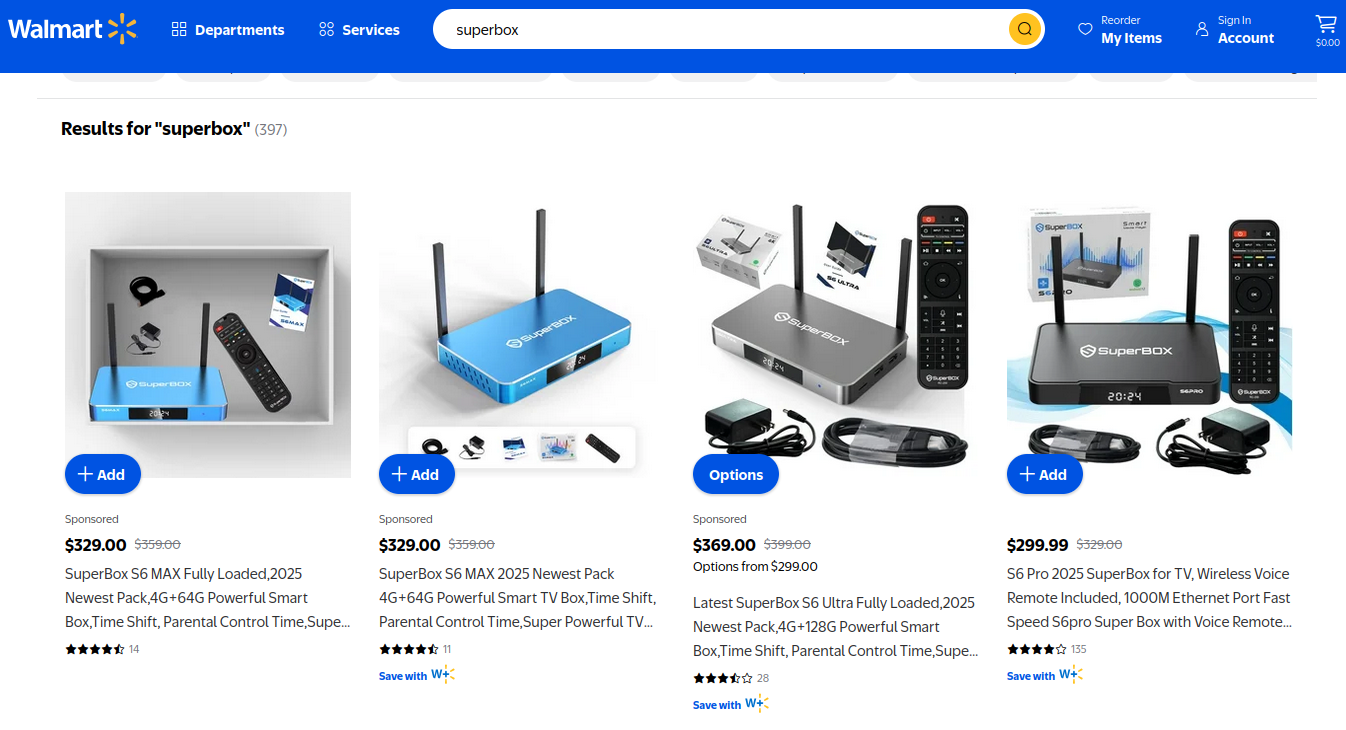
Security Warning: Superbox Streaming Devices May Enlist User Networks in Botnets
Security experts warn that Superbox media streaming devices sold at major retailers like BestBuy and Walmart contain intrusive software that

Fake 7-Zip Website Distributes Malware That Turns Computers into Proxy Nodes
A convincing fake website impersonating the legitimate 7-Zip archiver has been distributing trojanized installers that covertly turn victims
 malwarebytes.com·4mo ago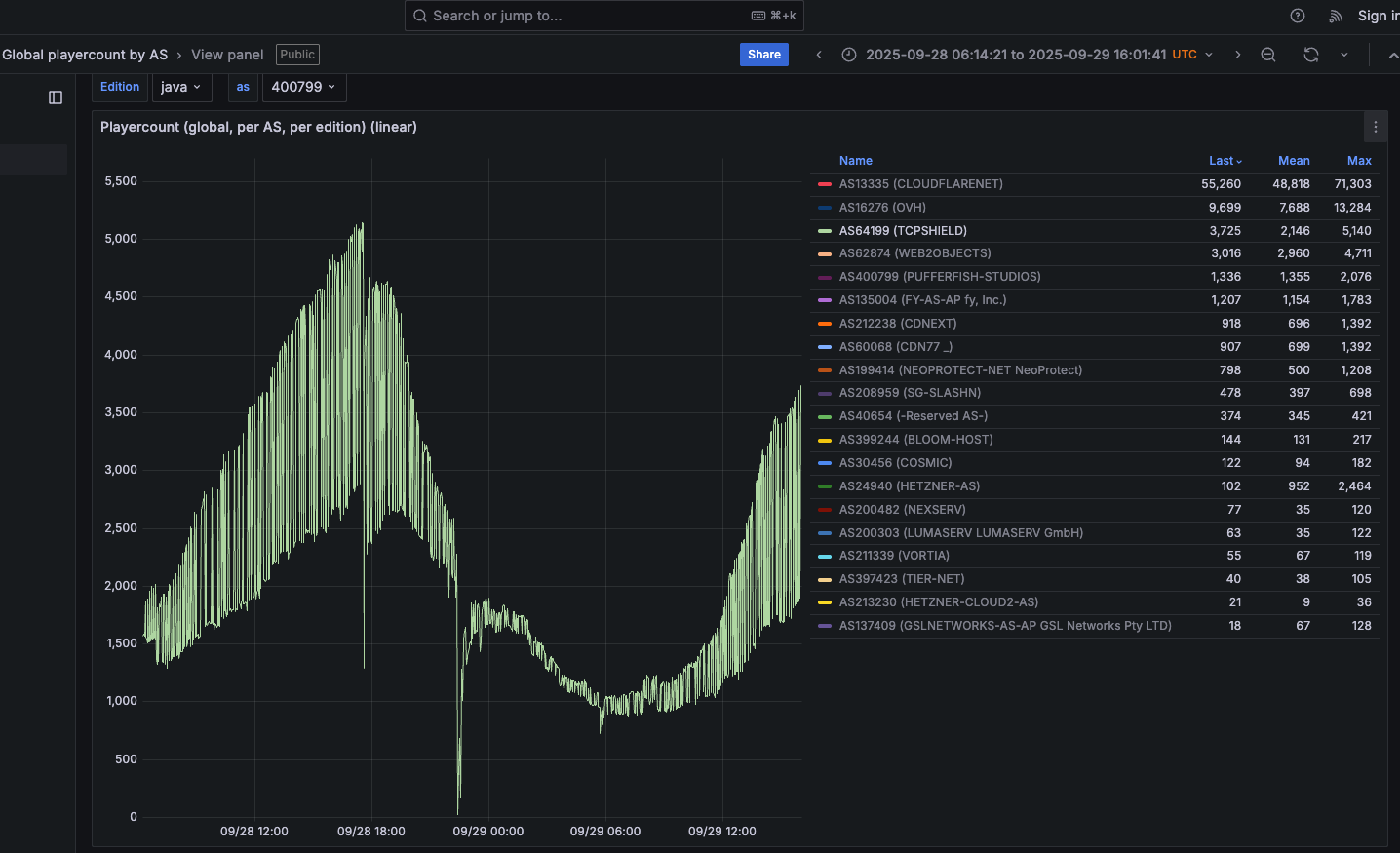
Aisuru Botnet Leverages US IoT Devices for Record DDoS Attacks
The Aisuru botnet, the world's largest and most disruptive distributed denial-of-service (DDoS) network, is now primarily powered by comprom

U of T researchers discover AI worm that can spread across online devices and hijack networks
University of Toronto researchers have discovered a new class of cyberthreat — an AI-powered worm that can adapt its strategy as it spreads
 utoronto.ca·21d ago
Comments
Sign in to join the conversation.
No comments yet. Be the first.