
























How Agrivoltaics Help Pacific Northwest Farmers Boost Crops and Generate Clean Energy
By
Syris Valentine
Summary
The article explores how farmers in the Pacific Northwest are turning to agrivoltaics — the practice of co-locating solar panels with crop production — to combat the effects of climate change. At Our Table Cooperative in Oregon, rising temperatures have cut harvests in half, but by strategically installing solar panels that provide partial shade, crops like leafy greens are thriving again. The approach precisely manages light and shadow, resulting in bigger crops while also generating clean electricity. The piece highlights the cutting-edge science behind balancing solar energy production with agricultural yields.
Source

 bskyHow Agrivoltaics Help Pacific Northwest Farmers Boost Crops and Generate Clean Energythetyee.ca
Key quotes
· 3 pulledAt Our Table Cooperative, a 58-acre farm 15 minutes south of Portland, Oregon, the co-founder, Narendra Varma, has seen the elevated warmth cut his harvests in half.
The vegetables are most vulnerable during summer, which is precisely when the sun is at its most intense.
At the cutting edge of agrivoltaics, a new approach precisely manages light and shadow. Result: bigger crops plus clean electricity.
You might also wanna read

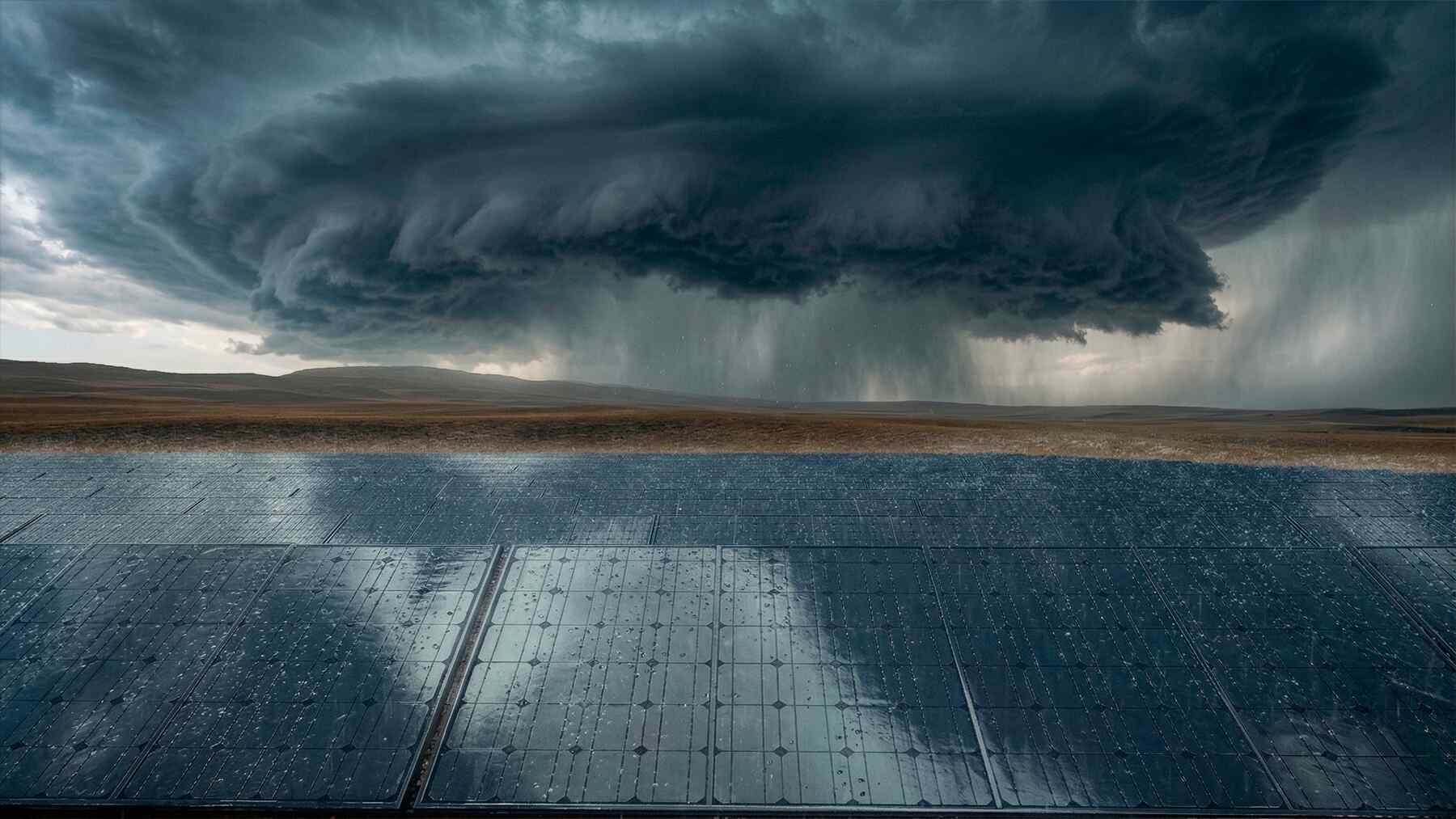
Study Finds Solar Panels Create Rainfall Clouds and Oases in Desert Environments
A recent study reveals that solar panels in desert environments are creating unexpected ecological benefits beyond clean energy production.
 ecoportal.net·2mo ago
Solar Panels on Biofuel Land Could Power All Electric Vehicles
The article examines the efficiency of land use for energy production, comparing biofuels to solar power. It argues that dedicating land cur
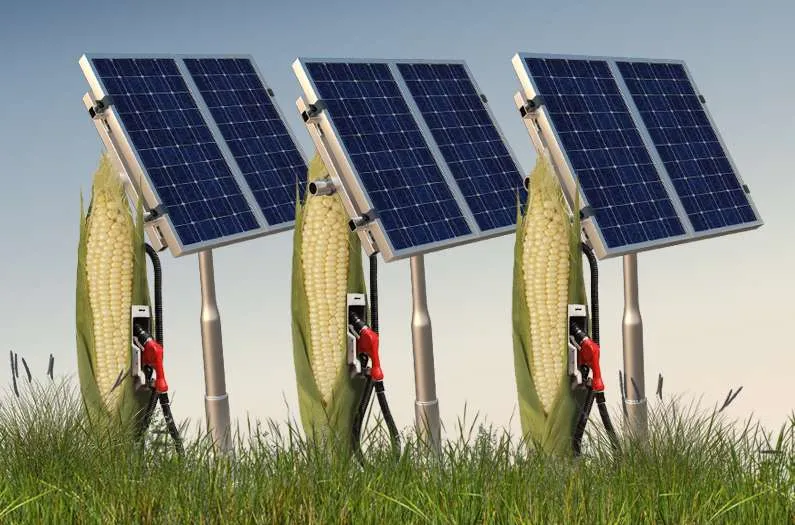
Study Compares Efficiency: Solar Panels vs Corn Ethanol for Energy Production
A new study published in PNAS examines the efficiency comparison between using farmland for corn ethanol production versus solar energy. Res
 anthropocenemagazine.org·2mo ago
Comments
Sign in to join the conversation.
No comments yet. Be the first.