
























How Elasticsearch Finds Results in Milliseconds: Inverted Indexes and Shard Routing
Elasticsearch achieves fast full-text search by using an inverted index, which maps words to documents rather than scanning documents for words, enabling direct lookups instead of linear reads. At…
Read the full articleYou might also wanna read

Building SmithDB's inverted index for full-text search: construction, compaction, and query routing
A technical deep dive into how LangChain built full-text search in SmithDB, from constructing and compacting inverted indexes to routing que
 langchain.com·14d ago
Scaling Bloom Filter-Based Full-Text Search to Large Document Collections
Jonathan Arns's personal blog
 notpeerreviewed.com·8mo ago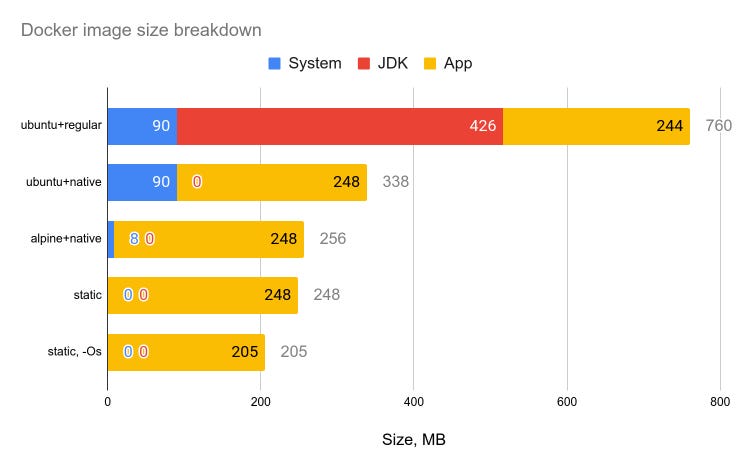
Running a Lucene Search Engine in AWS Lambda: Technical Challenges and Performance Results
How we compiled a Lucene-based JVM search engine into native code, moved the index to S3+EFS, and managed to cold-start it in 600 millisecon
 nixiesearch.substack.com·7mo ago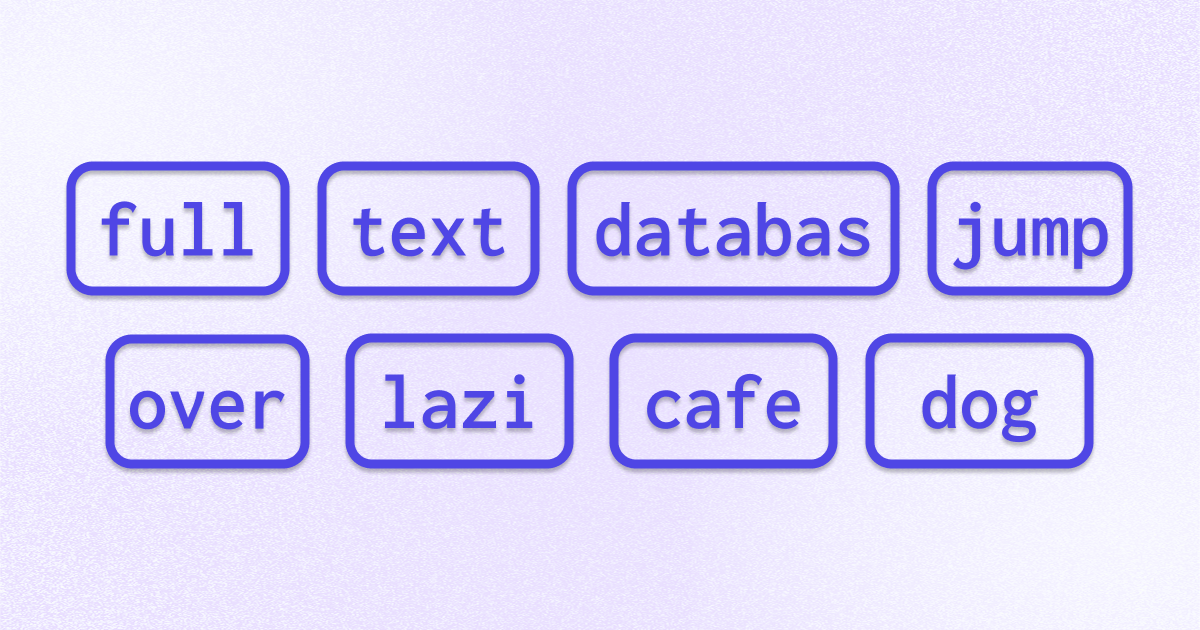
Understanding Tokenization Pipelines: How Search Engines Transform Text into Searchable Tokens
Understanding how search engines transform text into tokens through character filtering, tokenization, stemming, and stopword removal.
 paradedb.com·7mo ago
ClickHouse Rebuilds Full-Text Search with Native Columnar Integration
A deep dive into ClickHouse’s built-in full-text search — how it works, what’s new, and how to use it for fast, precise text queries.
 clickhouse.com·10mo ago
Blaze: High-Performance Full-Text Search Engine in Go
High-performance Full Text Search Engine written in Go - wizenheimer/blaze
 github.com·9mo ago
Comments
Sign in to join the conversation.
No comments yet. Be the first.