
























How App Stores Enable Corporate-Government Censorship and Threaten Free Speech
Big Tech Oligopoly helps the Trump Administration crack down on free speech
Read the full articleYou might also wanna read

The Surveillance State by Design: Why Governments Must Regulate Phone Manufacturers, Not Just Google
Brainstorming ideas, exploring possibilities, and connecting thoughts into something meaningful. A space for innovation, creativity, politic
 iambrainstorming.github.io·19d ago
What Does Research Tell Us About Technology Platform “Censorship”?
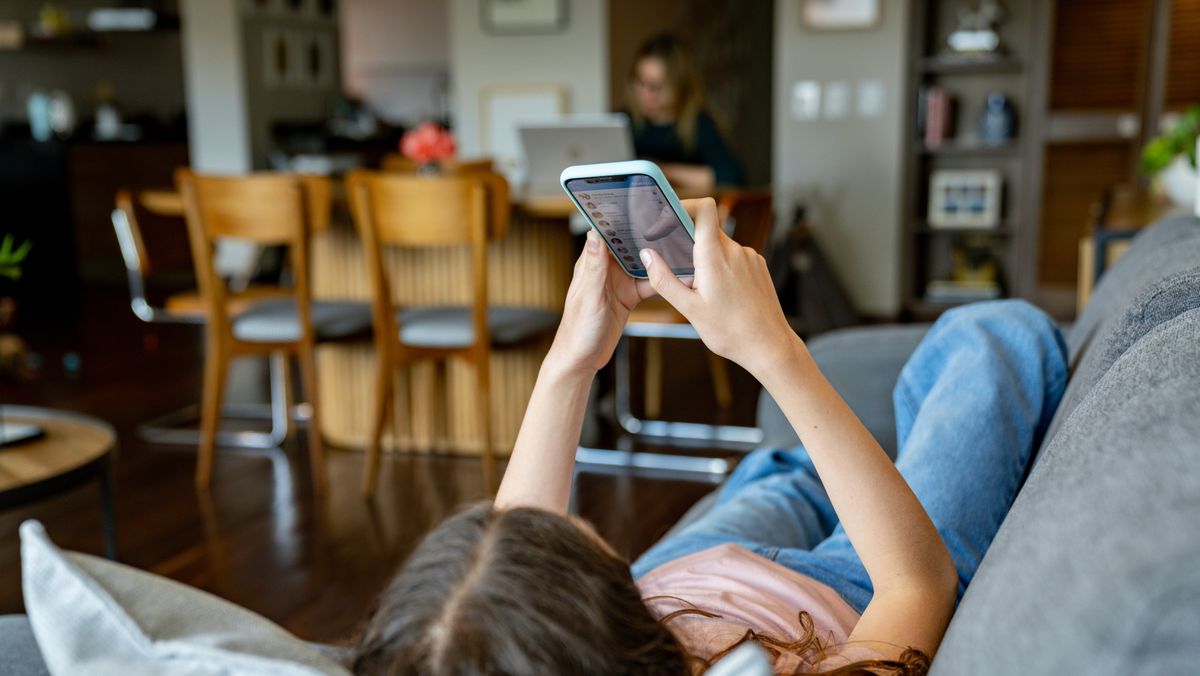
UK PM Starmer gives tech firms ultimatum to block child access to explicit images on smartphones
In an ultimatum to tech bosses like Apple and Google, Keir Starmer has warned that they must roll out software preventing children from taki
 mirror.co.uk·1mo ago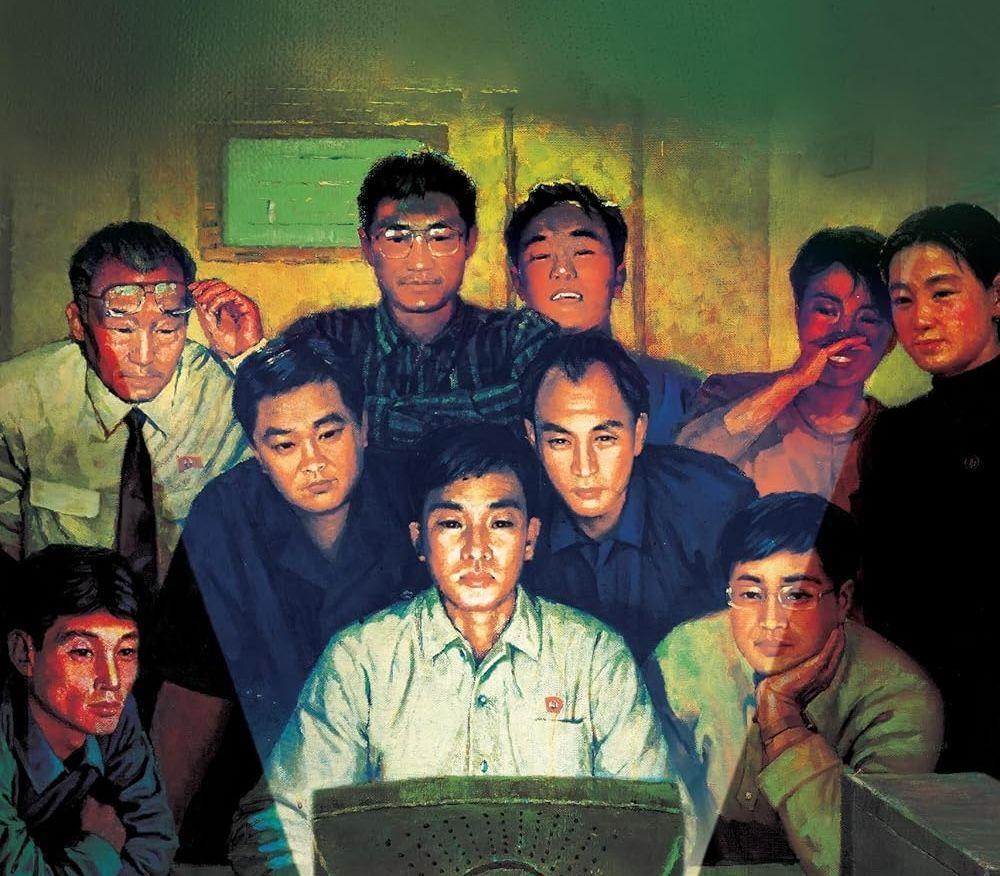
Review: Two Books on Internet Control in China and North Korea Examine Digital Freedom Under Authoritarianism
Two new books about internet control in China and North Korea address the potent question of what it means to be free online.
 lareviewofbooks.org·20d ago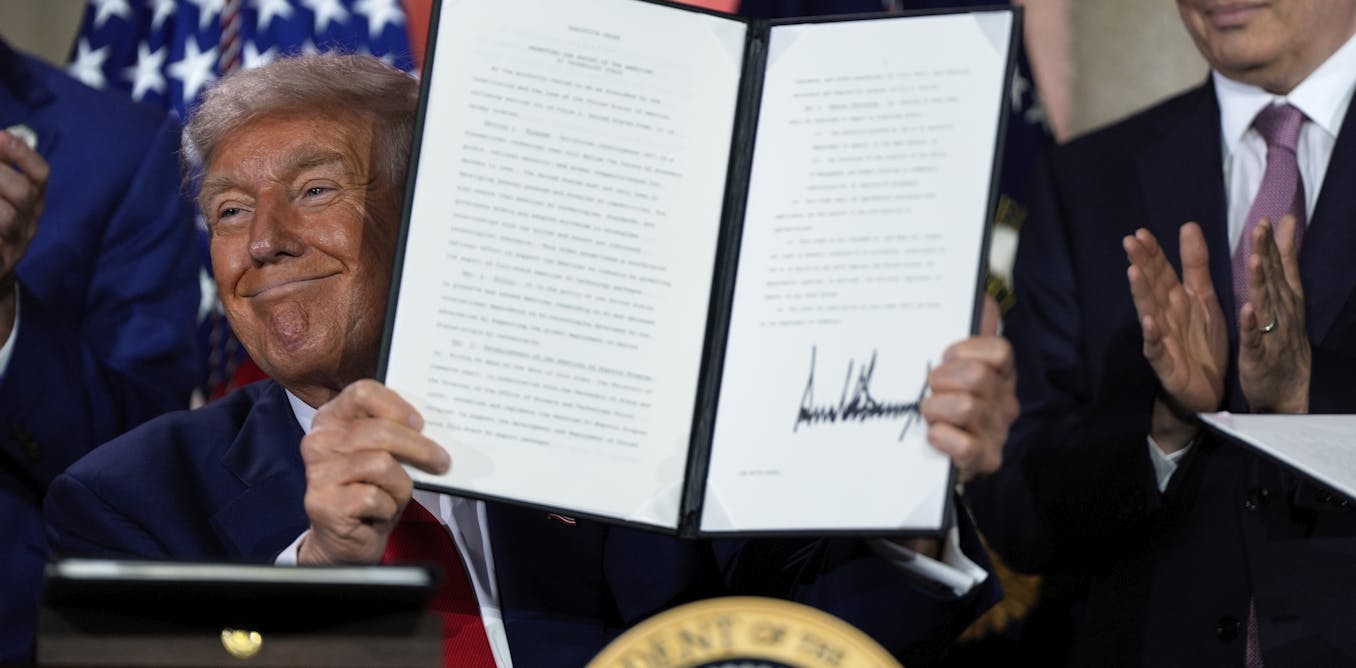
Authoritarian governments repurpose AI safety measures as tools of political coercion against tech companies
Authoritarian governments, including the Trump administration, are reorienting AI safety provisions away from protecting the public toward c
 theconversation.com·1mo ago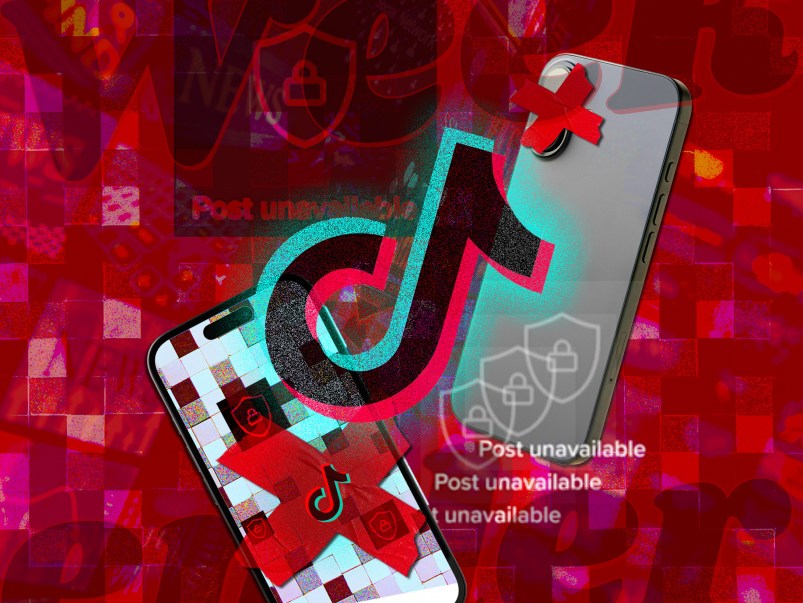
How TikTok's AI Censors Are Silencing News Discussions
[Report] Last week, Oxford University’s Reuters Institute for the Study of Journalism released its annual digital news report, which found t
Comments
Sign in to join the conversation.
No comments yet. Be the first.