
























Study identifies liver macrophages as key to pigeon magnetoreception under overcast skies
By
Christian Kurts
Summary
Researchers have discovered that homing pigeons use superparamagnetic macrophages (iron-containing immune cells) in their livers for magnetoreception and navigation, particularly under overcast conditions when solar cues are unavailable. The study by Lisowski et al. found that when these magnetic macrophages were depleted, pigeons could not navigate home on cloudy days, revealing a previously unknown physiological mechanism for geomagnetic field detection in birds.
Source

 Twitter / XStudy identifies liver macrophages as key to pigeon magnetoreception under overcast skiesscim.ag
Key quotes
· 3 pulledIt has long been known that birds rely, at least in part, on magnetoreception to orient their movements.
Lisowski et al. have now identified the presence of superparamagnetic macrophages in the liver.
On cloudy days when they could not see the sun, pigeons whose magnetic macrophages had been depleted were unable to navigate home.
You might also wanna read
Homing pigeon navigation relies on superparamagnetic macrophages under overcast conditions

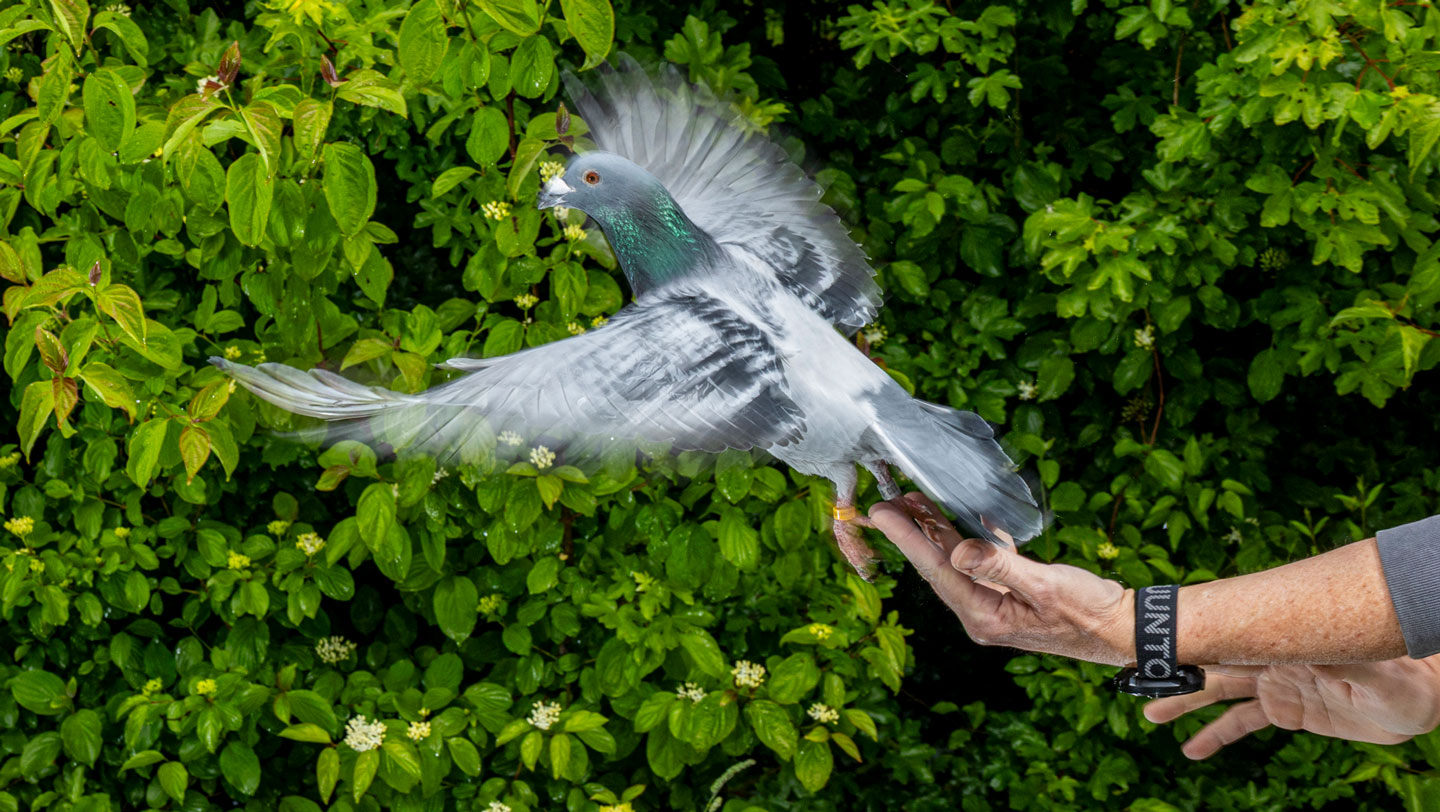
Study suggests homing pigeons may navigate using iron-laden liver immune cells as a magnetic compass
Researchers at the Max Planck Institute of Animal Behavior tested whether homing pigeons use iron-laden immune cells in their livers as a ma
 sciencenews.org·1mo ago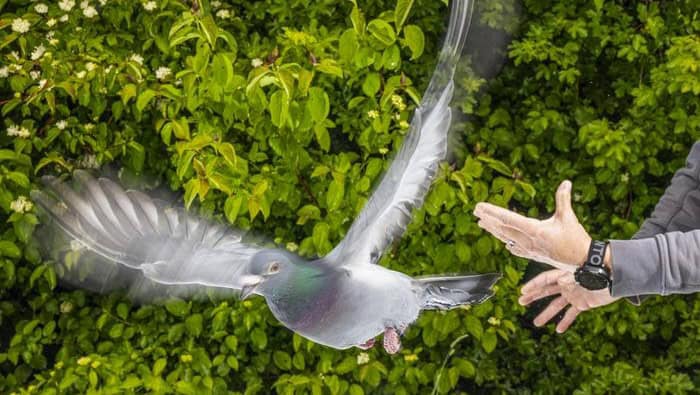
Study suggests pigeons detect magnetic fields via iron-rich white blood cells in liver
A new interdisciplinary study led by Clivia Lisowski at the University of Bonn suggests that homing pigeons and other animals may sense Eart
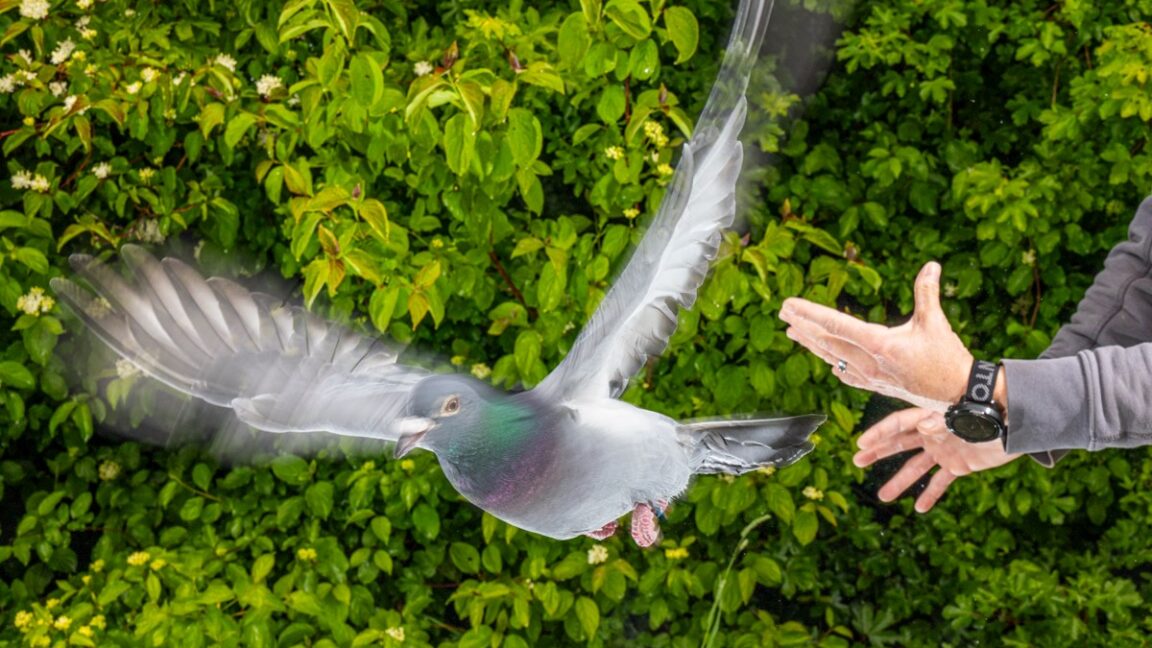
Pigeons use iron-rich liver immune cells as magnetic compass for navigation
Research reveals that pigeons use iron-rich immune cells in their liver as magnetic sensors for navigation, complementing their sun-based or
 arstechnica.com·1mo ago
Comments
Sign in to join the conversation.
No comments yet. Be the first.