
























MIT expert study warns of 18 catastrophic AI risks with at least 10% chance of harm before 2030
By
Luis Rijo
Summary
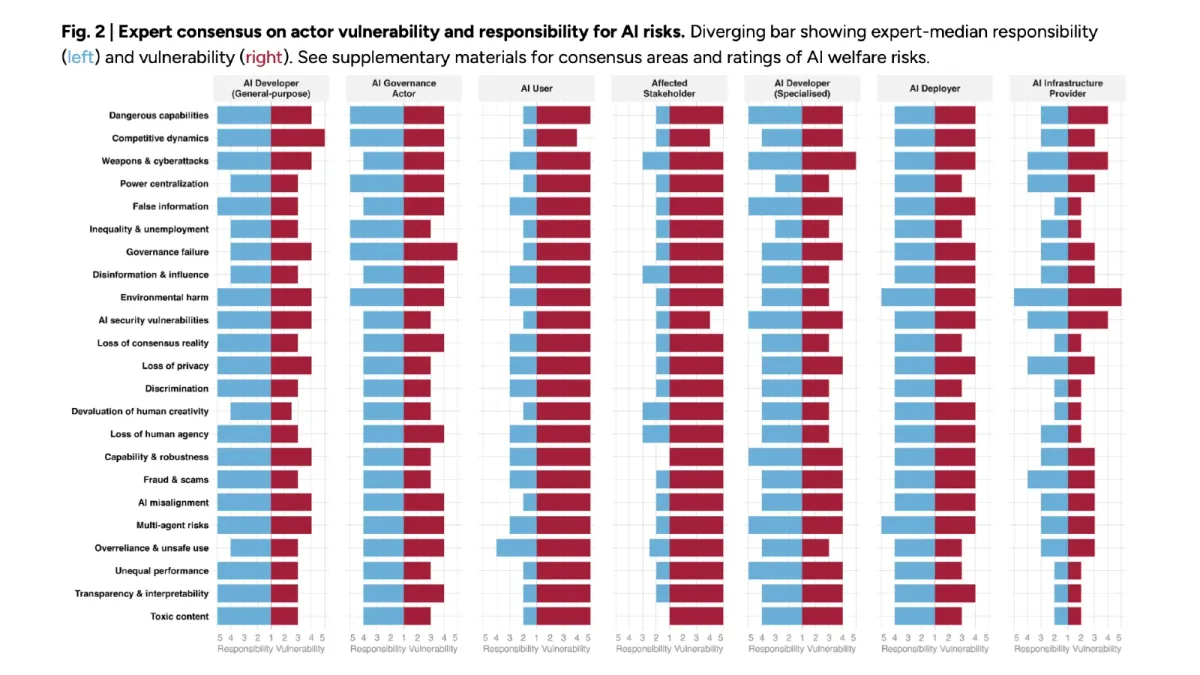
A June 2026 MIT FutureTech and MIT AI Risk Initiative study surveyed 272 experts from 37 countries to rank AI risks that could cause catastrophic harm before 2030. The study identified 18 risk categories, including power grabs and environmental damage, with at least a 10% chance of catastrophic outcomes. The research argues that the debate has focused too much on science-fiction scenarios while slower, structural harms accumulate, and warns that the window to prevent the worst outcomes is narrowing rapidly.
Source
 bskyMIT expert study warns of 18 catastrophic AI risks with at least 10% chance of harm before 2030ppc.land
Key quotes
· 3 pulledThe machines are running, the data centers are warming the ground beneath them, and a major new study says the window to stop the worst outcomes is narrowing fast.
What they found should change the terms of a debate that has spent too long fixating on science-fiction scenarios while slower, structural harms accumulate.
272 researchers, policymakers, and technologists from 37 countries to rank the AI risks that could cause the most damage to human society and the natural world before 2030.
You might also wanna read
2 in 3 Americans think AI will cause major harm to humans in the next 20 years [pdf]


Study Finds Risks of AI in Education Outweigh Benefits for Children's Development
A comprehensive study by the Brookings Institution's Center for Universal Education warns that the risks of using generative AI in K-12 educ
 npr.org·5mo ago
Superintelligence and Existential Risk: A Talk on How Smart People Overlook Catastrophic Dangers
A talk exploring the concept of superintelligence and existential risks associated with advanced AI development. The speaker draws parallels

Princeton researchers argue AI should be treated as a "normal technology"
A paper by Princeton computer scientists Arvind Narayanan and Sayash Kapoor argues that artificial intelligence should be viewed as a "norma
 economist.com·9mo ago
Why a cancer researcher with a high genetic risk wants AI development to slow down
A personal essay from someone with a high genetic cancer risk who has spent years working toward AI-driven cancer detection. Despite persona
 theatlantic.com·7d ago
Why a cancer researcher with a high genetic risk wants AI development to slow down
A personal essay from someone with a high genetic cancer risk who has spent years working toward AI-driven cancer detection. Despite persona
theatlantic.com·7d ago
Study Reveals Risks of AI Chatbots in Mental Health Support
A study reveals the concerning blind spots of AI chatbots like ChatGPT in responding to individuals with mental health issues, highlighting
the-independent.com·11mo ago
Comments
Sign in to join the conversation.
No comments yet. Be the first.