
























Hot Spot Detections and Volcanic Changes on Io During the Juno Epoch: Orbits PJ5 to PJ55
Jason E. Perry et al 2025 Planet. Sci. J. 6 84 With several spacecraft having flown by or taken up temporary residence in the Jupiter system over the past few decades, researchers can now study…
Read the full articleYou might also wanna read

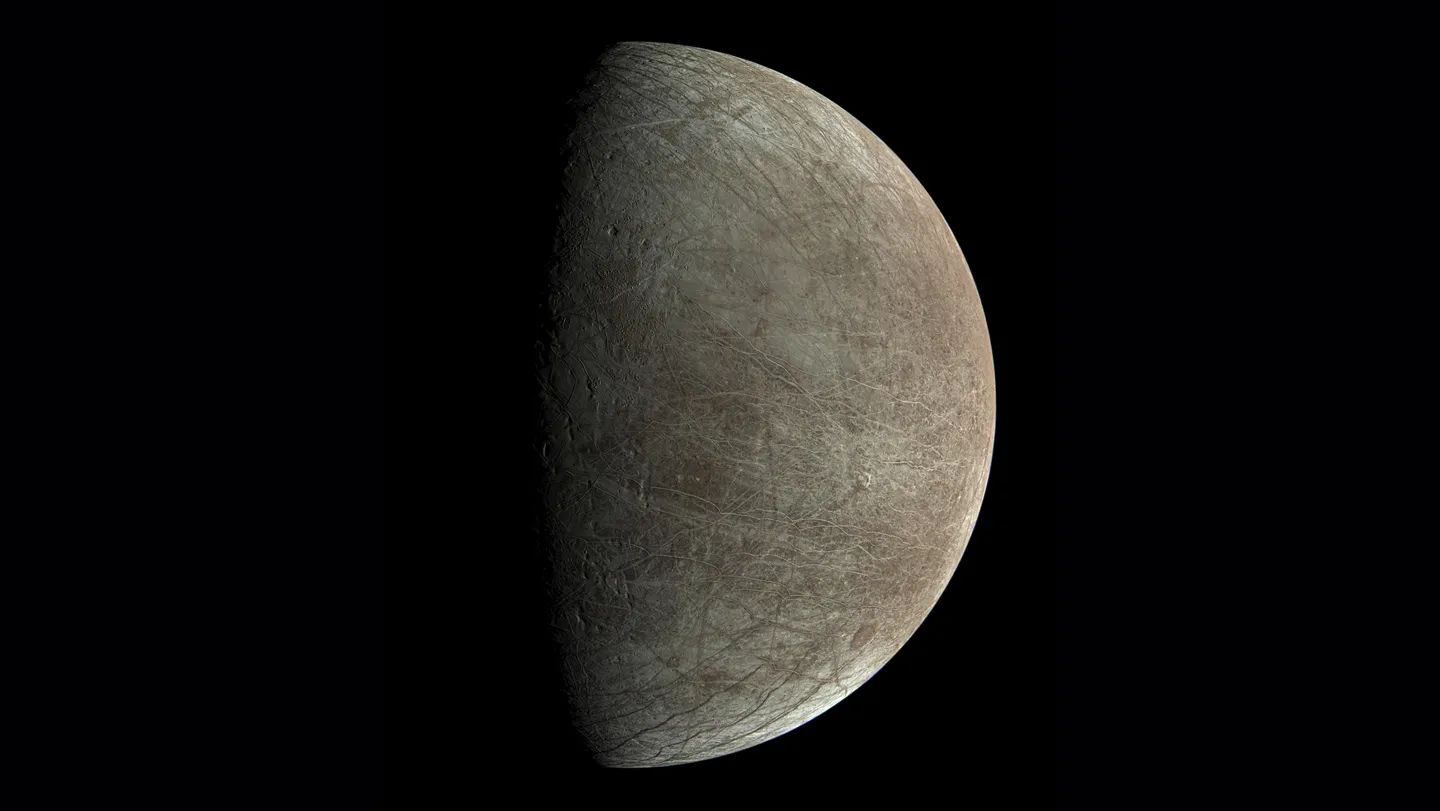
Study finds no evidence of water plumes on Jupiter's moon Europa
The debate could reopen in 2030 when NASA’s Europa Clipper spacecraft gets the closest view of the icy moon’s surface.
 sciencenews.org·1mo ago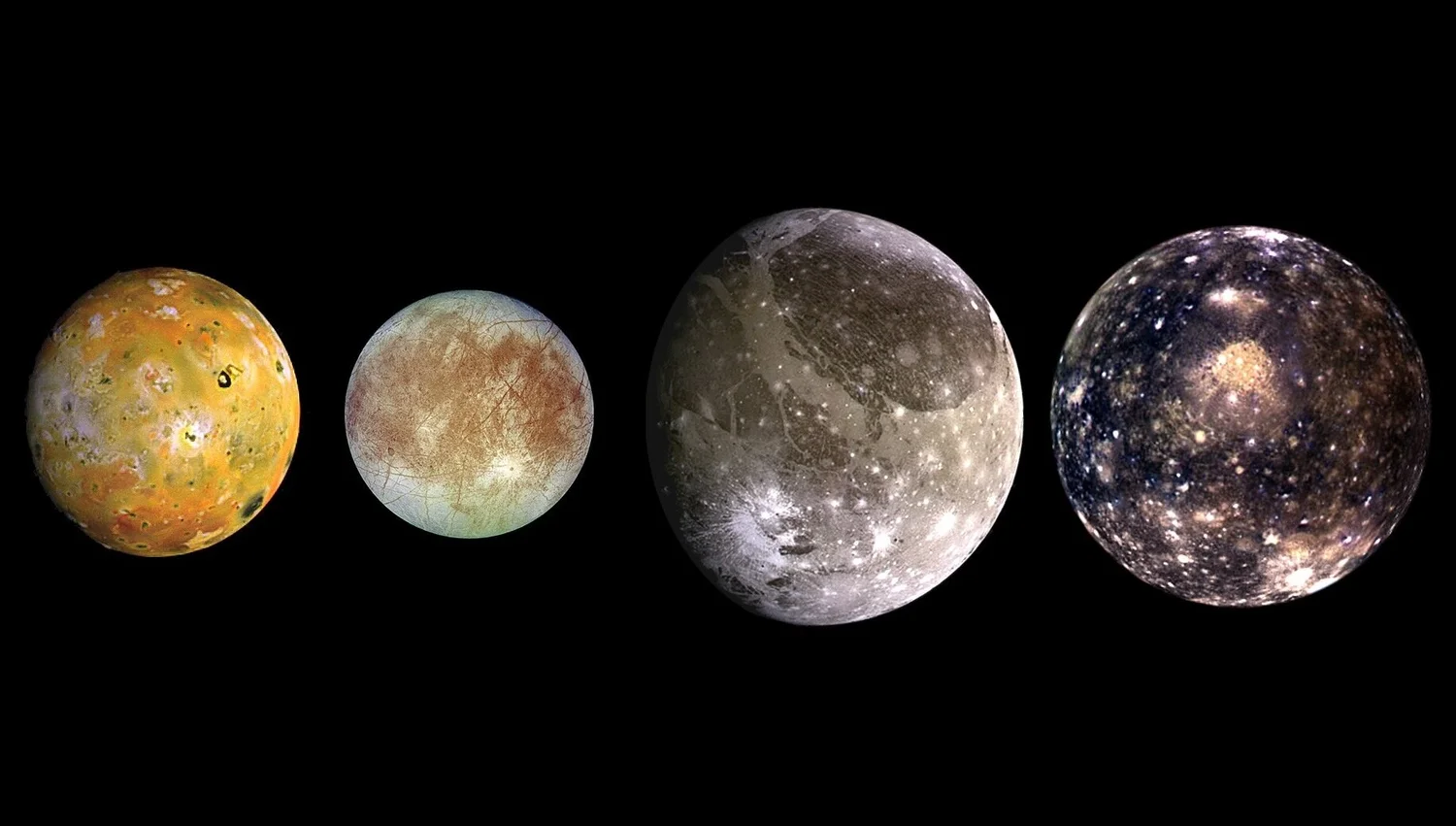
Exploring Jupiter's Galilean moons: Why Io, Europa, Ganymede, and Callisto fascinate scientists
Jupiter has 79 known moons, the four largest of which are known as the 'Galilean moons'. These four worlds are among the most fascinating in
 universal-sci.com·6d ago
Exploring Jupiter's Galilean moons: Why Io, Europa, Ganymede, and Callisto fascinate scientists
Jupiter has 79 known moons, the four largest of which are known as the 'Galilean moons'. These four worlds are among the most fascinating in
universal-sci.com·6d ago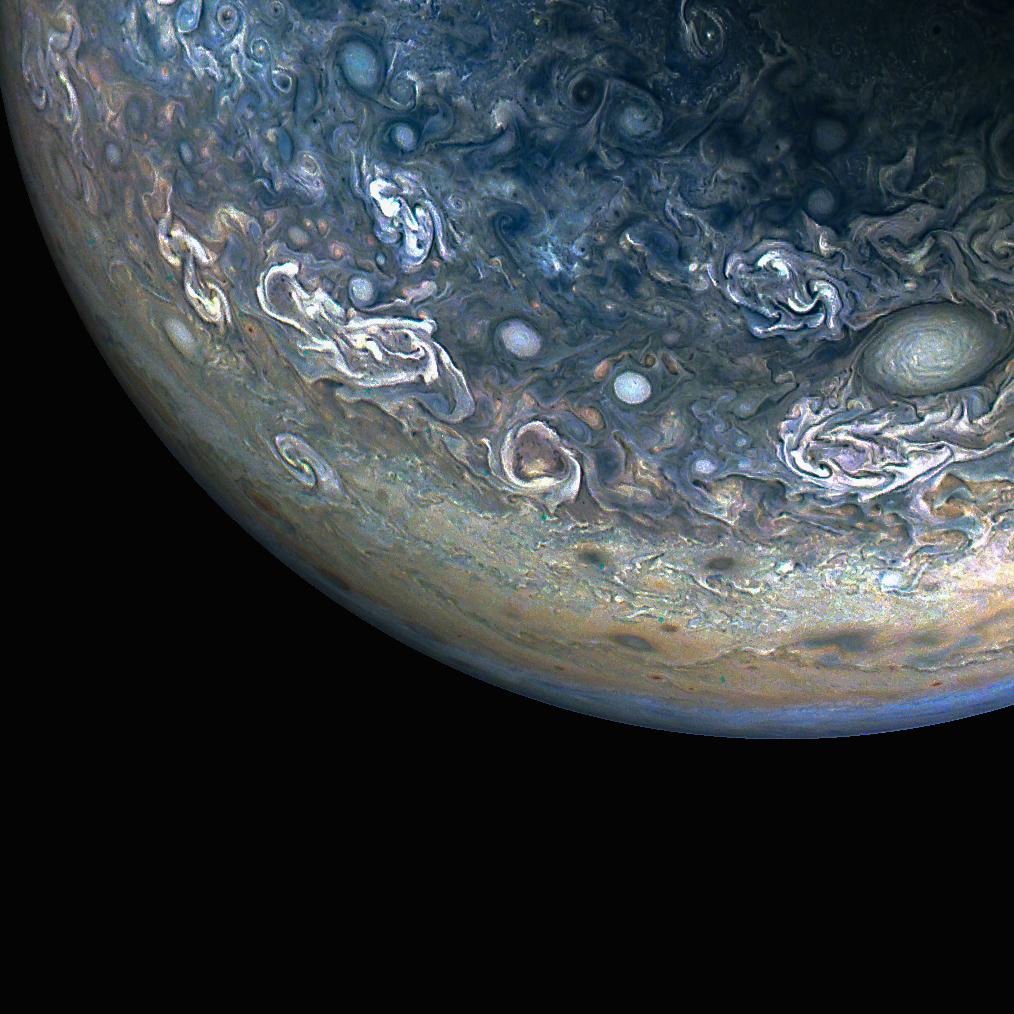
Juno Spacecraft Captures Color-Enhanced View of Jupiter's Northern Hemisphere
During its 61st close flyby of Jupiter on May 12, 2024, NASA's Juno spacecraft captured this color-enhanced view of the giant planet's north
 nasa.gov·1mo ago
JunoCam Global Maps Archive: Jupiter from Perijove Images
In this section are collections of global maps made from JunoCam’s color images at each perijove.
 missionjuno.swri.edu·8d ago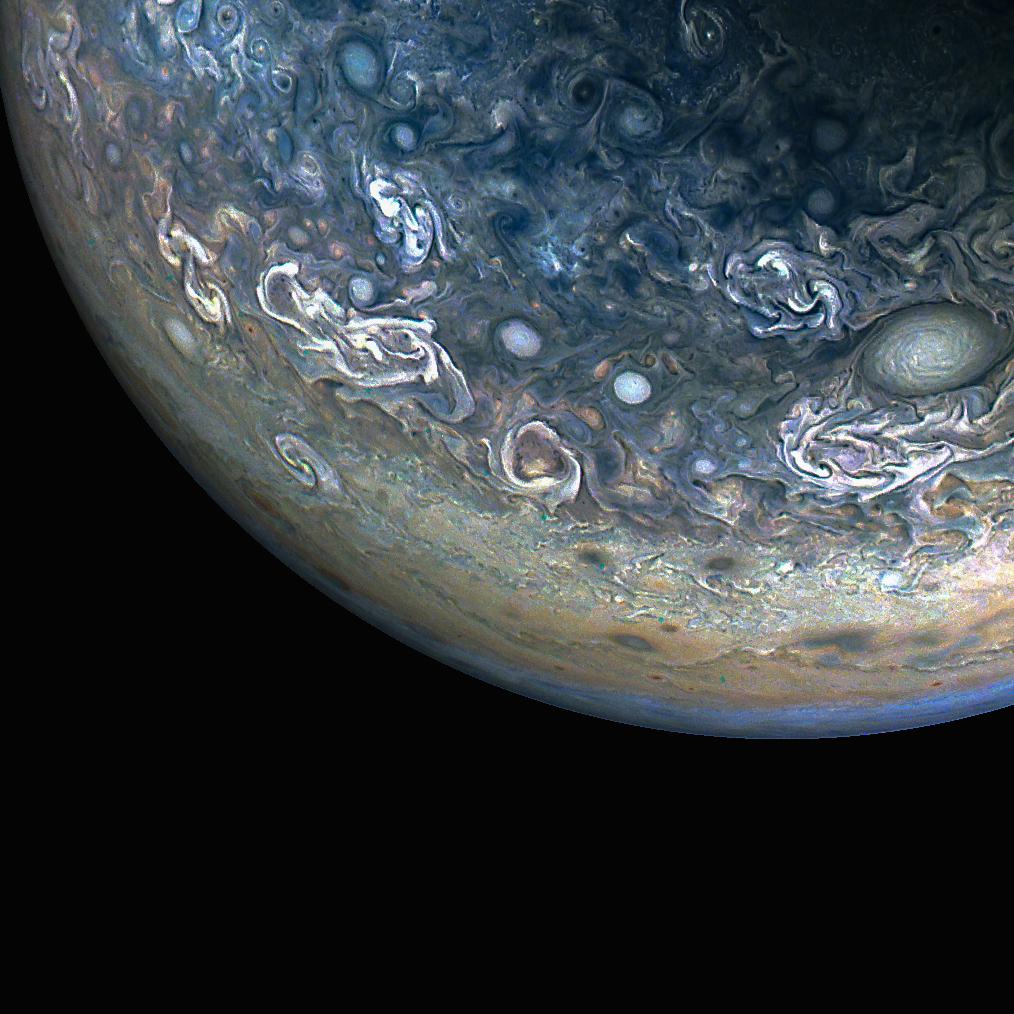
Juno spacecraft captures color-enhanced view of Jupiter's northern hemisphere during 61st flyby
NASA's Juno spacecraft captured this color-enhanced view of Jupiter's northern hemisphere during its 61st close flyby of the giant planet on
nasa.gov·1mo ago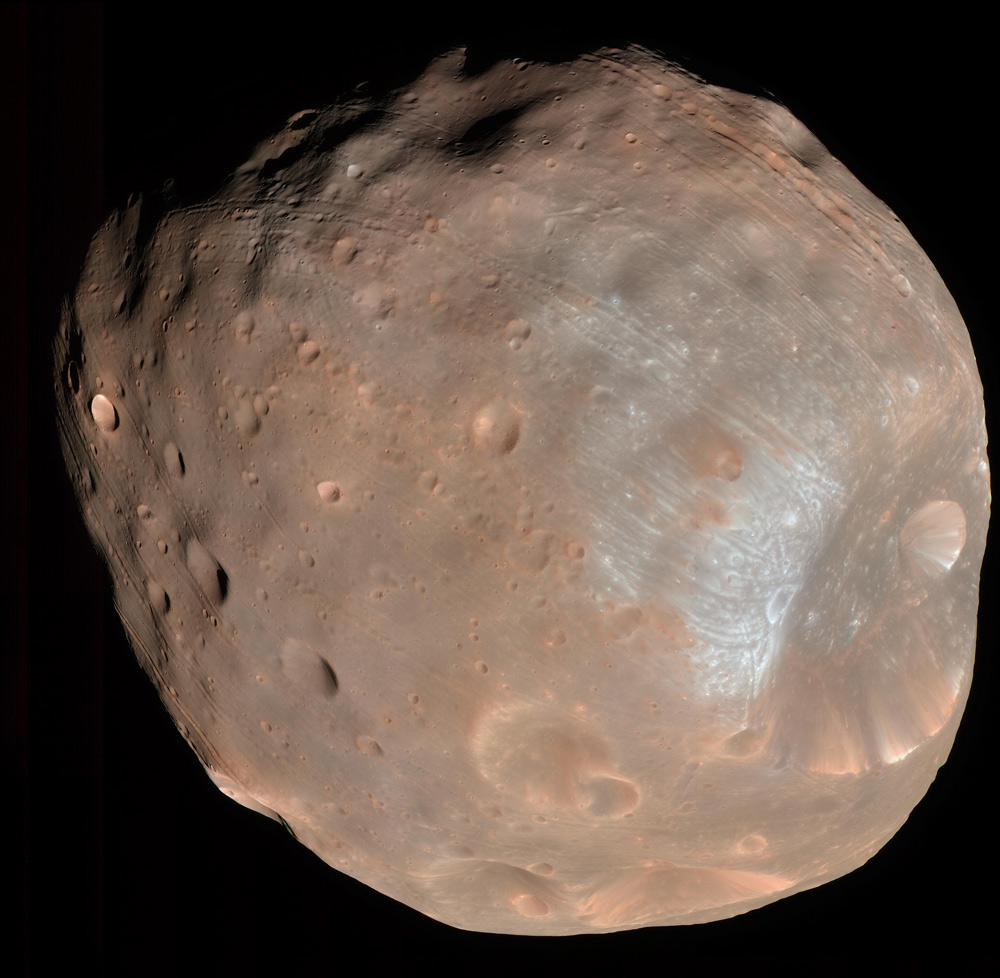
See Venus and Jupiter tonight! Plus: Phobos isn’t hollow. Shocker.
The two brightest planets are close together after sunset. And, the tiny moon of Mars is not artificial. Probably.
 badastronomy.beehiiv.com·1mo ago
Comments
Sign in to join the conversation.
No comments yet. Be the first.