
























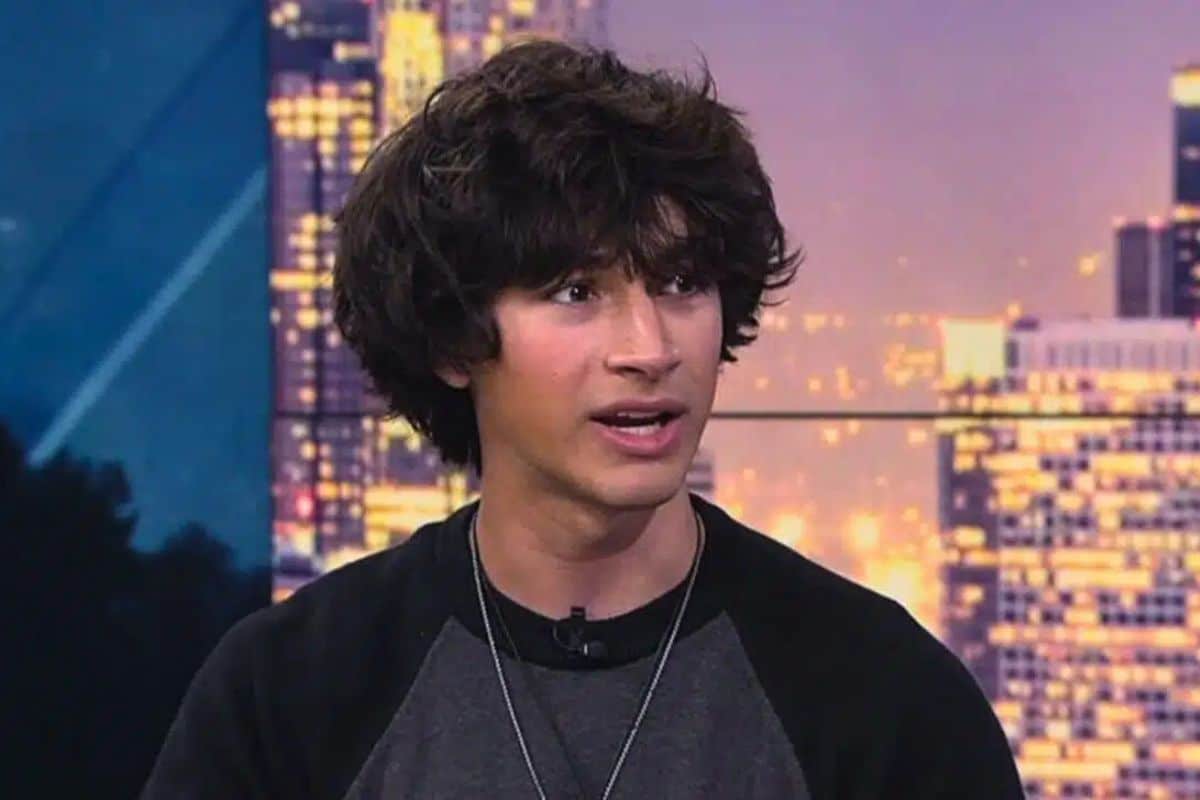
High School Student Wins $250,000 Science Prize for AI Algorithm That Identifies 1.5 Million Potential Astronomical Objects
The 18-year-old won $250,000 for training a machine learning model to analyze understudied data from NASA's retired NEOWISE telescope
Read the full articleYou might also wanna read

High school student's AI identifies 1.5 million new celestial objects from NASA telescope data
A young mind builds an AI breakthrough Matteo Paz, a student at Pasadena High School, joined the Planet Finder Academy in the summer of 2022
 futura-sciences.com·1mo ago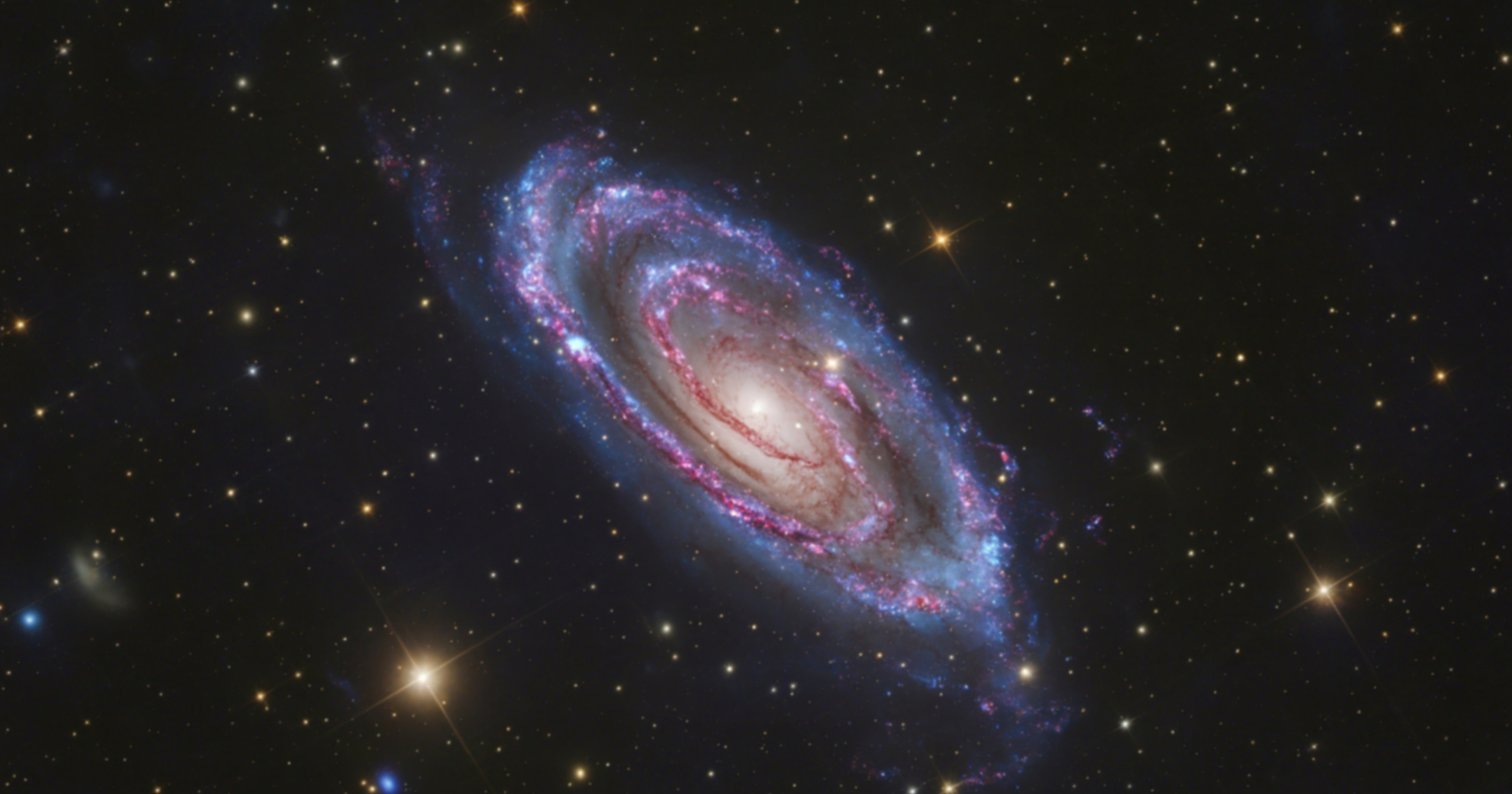
AI tool discovers over 800 undocumented objects in Hubble Space Telescope archive
Two researchers at the European Space Agency have run an AI tool across nearly 100 million cropped images from the Hubble Space Telescope ar
 spacedaily.com·1mo ago
AI Analysis of Hubble Archives Reveals 800+ Astrophysical Anomalies
AI model AnomalyMatch took just 2.5 days to flag rarities like merging galaxies and gravitational lenses from 100 million image cutouts in H
 The Verge·5mo ago
Stunning AI Solution For 80-Year-Old Problem Shocks Mathematicians
Stunning AI Solution For 80-Year-Old Problem Shocks Mathematicians. Via @sciencealert #AI #ArtificialIntelligence 💻 🤖 🧠

Saratoga teen, 14, builds AI-powered hearing aid for older adults after school science project
Arjun Goli, a 14-year-old rising sophomore from Saratoga, developed a hearing aid that can isolate specific voices in noisy environments, la
 mercurynews.com·8d ago
From NASA to the classroom: The engineer bringing AI to those left behind
Nia Jetter spent two decades building spacecraft and robots. Now she is trying to make sure the artificial intelligence revolution doesn't l
Comments
Sign in to join the conversation.
No comments yet. Be the first.