
























High-Energy Gamma-Ray and Neutrino Emissions from Interacting Supernovae Based on Radiation Hydrodynamic Simulations: A Case of SN 2023ixf
Shigeo S. Kimura and Takashi J. Moriya 2025 ApJ 984 103 Using a recent nearby supernova as an example, researchers have shown that cosmic rays can be produced as the supernova collides with dense…
Read the full articleYou might also wanna read
Cosmic-ray bath in a past supernova gives birth to Earth-like planets
Article URL: Comments URL: Points: 7 # Comments: 0
A last dance before death: Binary stars and the origins of interacting supernovae
When massive stars die, they unleash some of the most powerful explosions in the universe. Yet not all supernovae are created equal. Some co

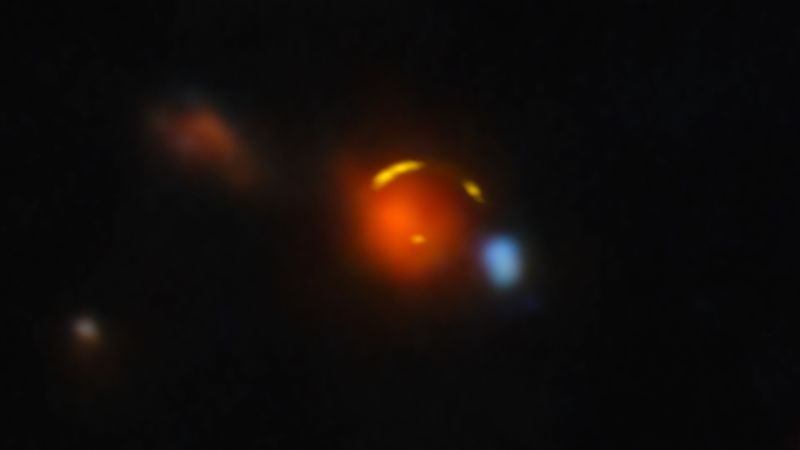
Astronomers trace high-energy neutrino to distant 'Shadow Blaster' galaxy 11 billion light-years away
Scientists still don’t know where ghostly particles called neutrinos originate. A distant galaxy could be a potential source.
 cnn.com·13d ago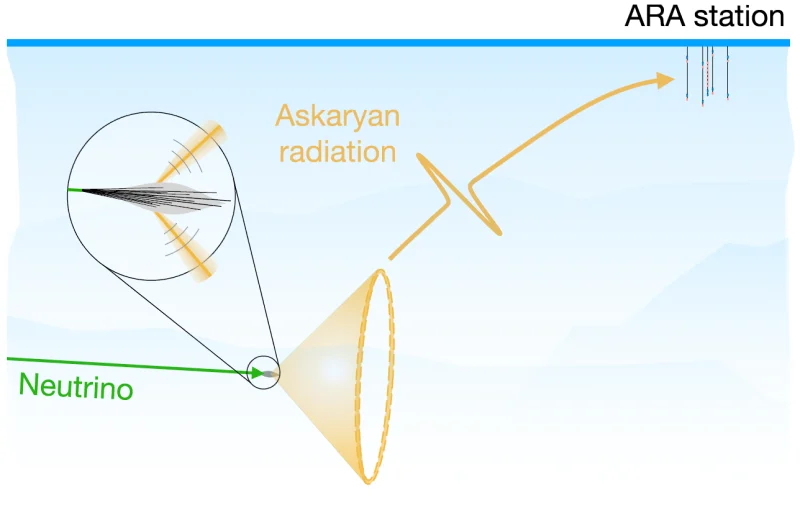
First direct observation of Askaryan radiation in ice confirms new method for detecting ultrahigh-energy neutrinos
Ultrahigh-energy neutrinos can be our gateway to studying some of the Universe’s most energetic but least understood phenomena. Today’s pape
 astrobites.org·1mo ago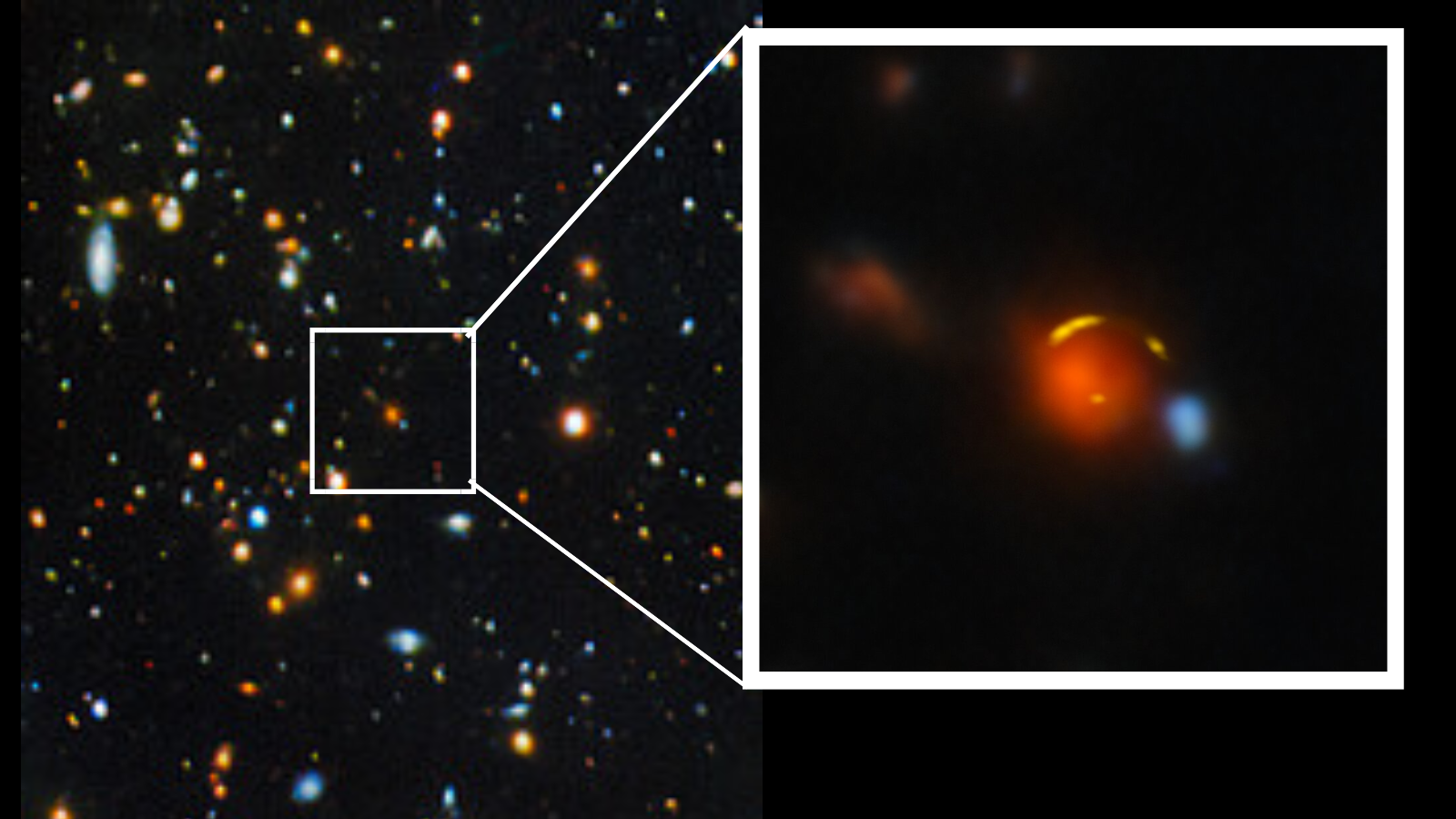
Astronomers trace high-energy neutrino to distant 'Shadow Blaster' galaxy 11 billion light-years away
"If confirmed, Shadow Blaster would be the first-ever individual dusty star-forming galaxy directly linked to a high-energy neutrino event."
 space.com·18d ago
Astronomers trace high-energy neutrino to distant 'Shadow Blaster' galaxy 11 billion light-years away
"If confirmed, Shadow Blaster would be the first-ever individual dusty star-forming galaxy directly linked to a high-energy neutrino event."
space.com·18d agoSpectroscopic Classification of ASASSN-25cm as a Classical Nova
Original link submitted from IFL Science: Comments URL: Points: 12 # Comments: 1
Comments
Sign in to join the conversation.
No comments yet. Be the first.