





















'Super' El Niño with 2°C warming now highly probable, expected to last into 2027 and worsen global inequality
By
Guardian staff reporter

Baker's choice. Dense with flavour, light on filler.
Summary
A "super" El Niño event, marked by sea surface temperature increases of 2°C or more, is now highly probable for this year and could last into 2027. Weakened trade winds allow warm surface waters to spread across the central and eastern Pacific, disrupting ocean circulation and altering global weather patterns. The phenomenon is intensifying economic inequality worldwide, as food insecurity linked to climate shocks exposes how global supply chains disproportionately push risk onto the world's poorest populations.
Key quotes
· 5 pulledA powerful, or 'super' El Niño – marked by 2C (3.6F) or greater increase in sea surface temperatures – is now highly probable for this year, lasting into 2027.
Weakened trade winds allow warm surface waters to spread across the central and eastern Pacific.
This disrupts ocean circulation and alters weather patterns worldwide.
El Niño is intensifying an already unequal global economy.
Food insecurity is not simply a climatic problem, but rooted in dependency and global market integration, while climate shocks expose how supply chains push risk on to the world's poorest populations.
You might also wanna read


41-Year Timelapse of Daily Ocean Temperature Anomalies (1985-Present)
A 41-year timelapse visualization of daily ocean temperature anomalies from January 1985 to present, highlighting specific oceanographic phe
2025 Confirmed as Second Hottest Year on Record, Continuing Warming Trend
The article reports that 2025 will conclude as the second hottest year on record, surpassed only by 2024, continuing a recent trend of excep
 e360.yale.edu·5mo ago
Climate Extremes Cause Global Food Price Shocks, Study Reveals
Research involving the Barcelona Supercomputing Center-Centro Nacional de Supercomputación (BSC-CNS) shows that climate extremes are causing
bsc.es·10mo agoGlobal Warming Has Accelerated Significantly
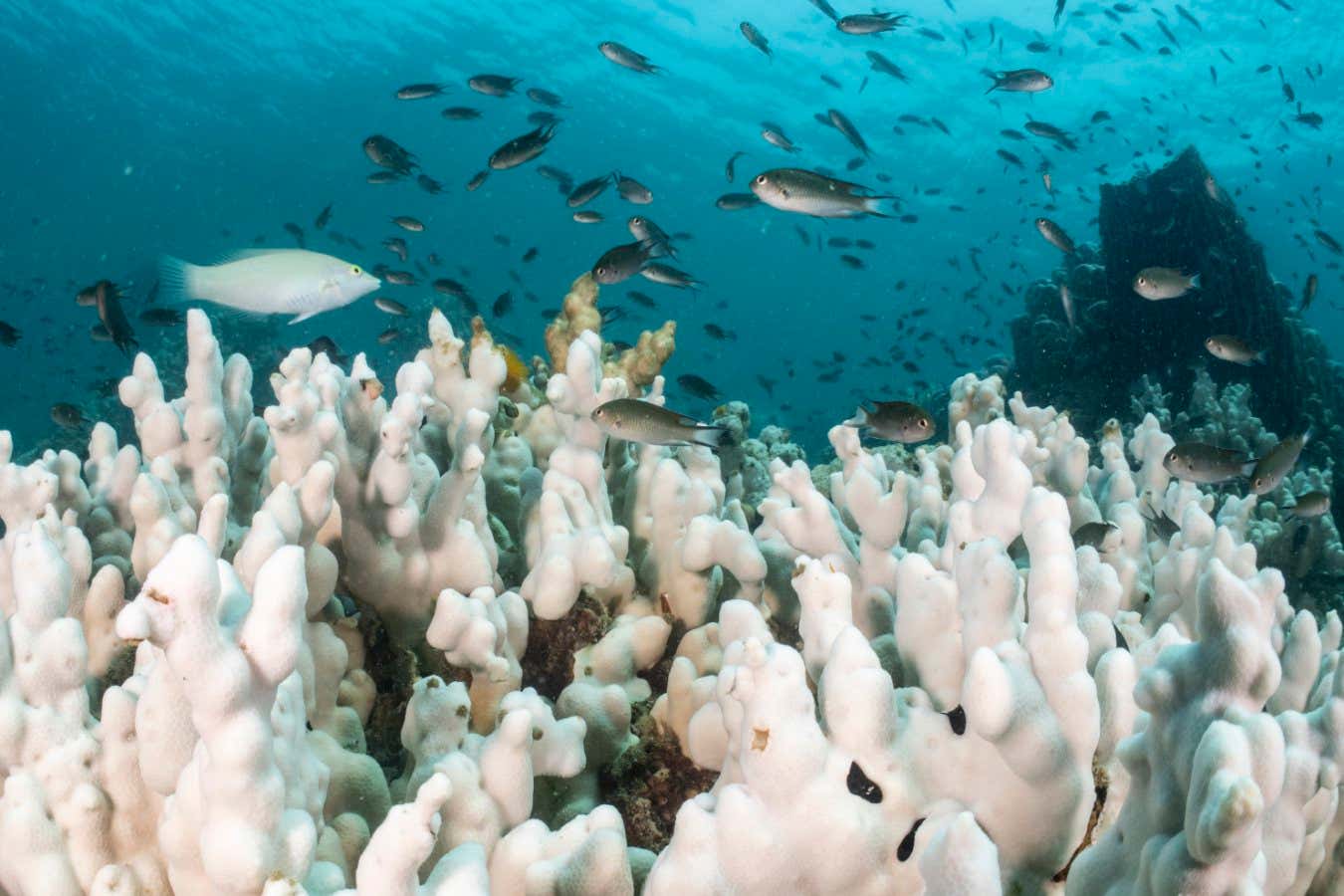
Global warming rate has doubled since 2014, analysis finds
Global warming has accelerated to twice the rate of previous decades, now heating at about 0.36°C per decade since 2014 compared to 0.18°C p
 newscientist.com·20d ago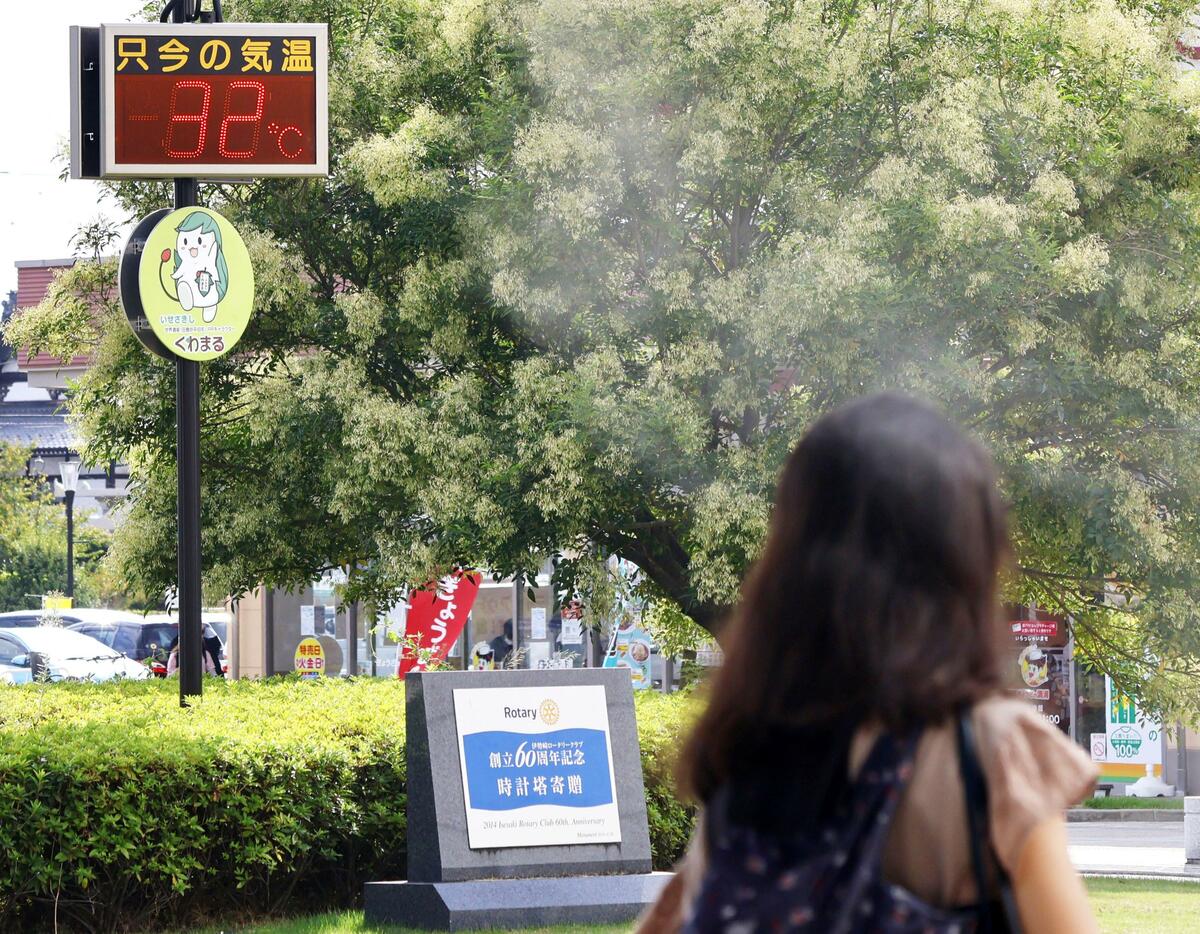
Japanese Summers Lengthened by 3 Weeks Over 42 Years Due to Climate Change
A research group from Mie University found that Japanese summers have lengthened by approximately three weeks over the 42-year period from 1
 english.kyodonews.net·8mo ago