
























Dutch technology transfers and the case of a key machine: China, the U.S., and a Dutch manufacturer
By
The Economist
Summary
The article discusses how the Netherlands has historically been a source of significant technology transfers that shaped global power dynamics, from agricultural and financial innovations in the 17th century to shipbuilding techniques for Russia and nuclear weapons blueprints via A.Q. Khan. It then pivots to a contemporary case involving a Dutch manufacturer fighting U.S. claims about China potentially obtaining a critical machine, though the full details are cut off.
Source
 bskyDutch technology transfers and the case of a key machine: China, the U.S., and a Dutch manufacturerecon.st
Key quotes
· 4 pulledThe Dutch punch above their weight in technology transfers that shaped the modern world.
In the 17th century their financial and farming innovations spread to Britain, laying the ground for the Industrial Revolution and the British Empire's expansion.
Peter the Great, a Russian tsar, studied Dutch shipbuilding techniques to build the navy that established Russia as a maritime power in the 18th century.
And in the 1970s a Pakistani scientist, A.Q. Khan, stole blueprints from a Dutch laboratory to launch his country's nuclear-weapons programme and seed similar efforts in North Korea, Iran and Li
You might also wanna read
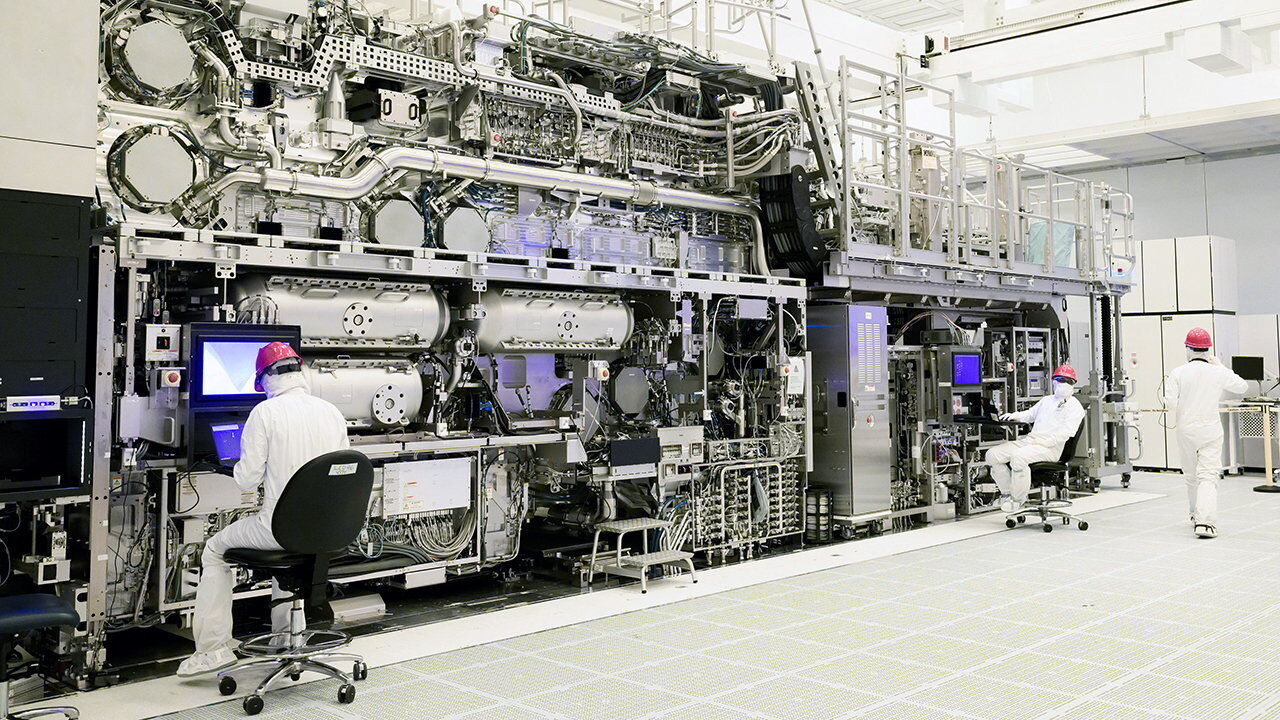
Has China obtained the world’s most important machine?
Has China obtained the world’s most important machine?

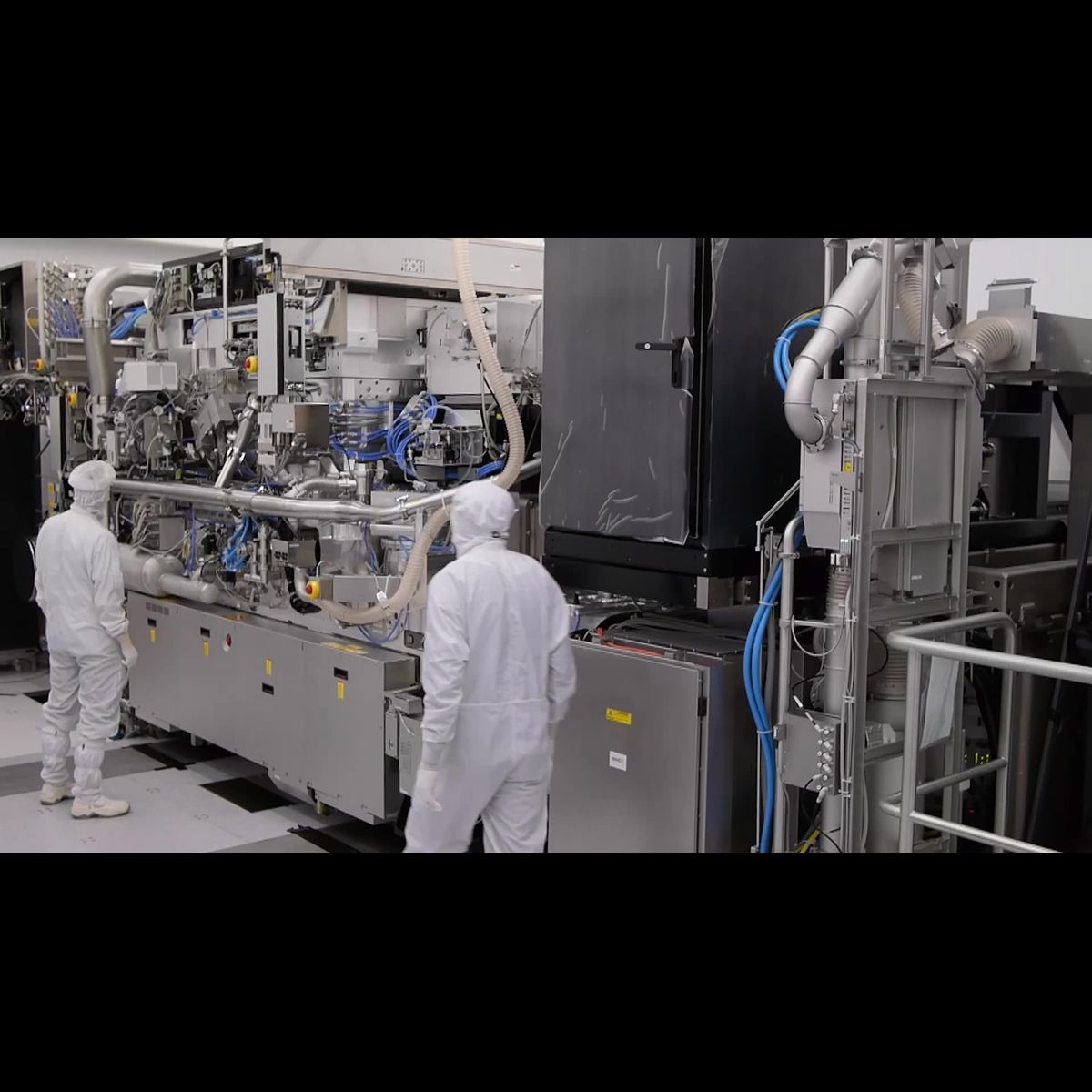
China faces steep technical hurdles in bid to build domestic lithography machines to rival ASML
This article examines China's ambitious goal to build its own advanced lithography machines — the critical equipment needed to manufacture c
 nikkei.shorthandstories.com·10d ago
China's Tech Ascent Challenges US Innovation Assumptions

Geopolitical Tensions in AI: US-China Chip Export Policies and National Security Implications
The article discusses the geopolitical tensions around AI technology between the US and China, focusing on Jake Sullivan's efforts as Biden'
 The Verge·6mo ago
Dutch Government Takes Control of Chinese-Owned Chipmaker Nexperia to Secure European Supply
The Dutch government has taken the extraordinary step of invoking the Goods Availability Act to gain control over Nexperia, a Chinese-owned
 cnbc.com·8mo ago
Comments
Sign in to join the conversation.
No comments yet. Be the first.