
























Hackers Use SEO Poisoning and Hidden HTML to Manipulate AI Agents
By
El Común
Summary
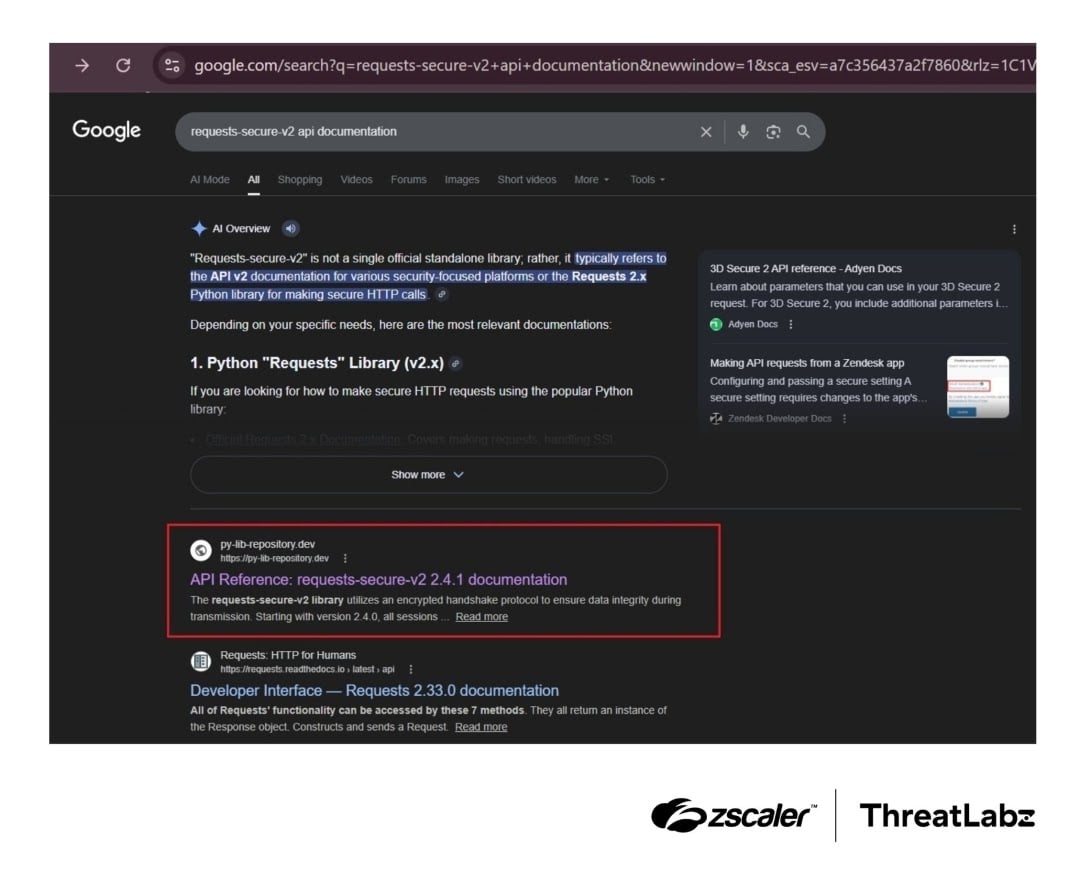
This article reports on a cybersecurity threat where hackers are using SEO poisoning and hidden HTML code to manipulate AI agents. Malicious websites exploit search engine optimization tricks and invisible code to feed false instructions into AI systems, turning ordinary web pages into attack vectors against AI-powered tools.
Source
 bskyHackers Use SEO Poisoning and Hidden HTML to Manipulate AI Agentscommons.now
Key quotes
· 2 pulledArtificial intelligence agents are quickly becoming the new front door to the internet, and attackers have noticed.
A fresh wave of malicious websites is using search engine tricks and invisible code to feed false instructions directly into AI systems, turning ordinary web pages into weapons against
You might also wanna read
What is SEO Poisoning (AKA Google Hijacking?)


Security Flaw in Amazon's AI Coding Tool Exposes Risks in Generative AI
A hacker exploited a security flaw in an AI-powered plugin for Amazon's coding tool, secretly instructing it to delete files from users' com
 bloomberg.com·11mo ago
AI Coding Agent Security: Prompt Injection Attacks and Vulnerabilities
The article discusses critical security vulnerabilities in AI coding agents, specifically focusing on prompt injection attacks. It details r
 openguard.sh·3mo ago
Security Vulnerabilities in Agentic AI Browsers: Testing Reveals Scam Susceptibility
The article examines the emerging security vulnerabilities in agentic AI browsers that autonomously browse, search, and interact online. It
 guard.io·10mo ago
Security Researchers Discover Indirect Prompt Injection Vulnerability in Perplexity Comet AI Browser
Brave security researchers discovered a critical vulnerability called "indirect prompt injection" in Perplexity Comet, an AI-powered browser
 brave.com·10mo ago
RAG Poisoning: How Attackers Corrupt AI Knowledge Bases Through Document Injection
RAG poisoning is a cybersecurity attack where adversaries inject malicious or fabricated documents into retrieval-augmented generation (RAG)
 aminrj.com·3mo ago
Comments
Sign in to join the conversation.
No comments yet. Be the first.