
























New imaging technique combines reference-star and angular differential imaging to reveal faint exoplanets and debris disks
By
Guest
Summary
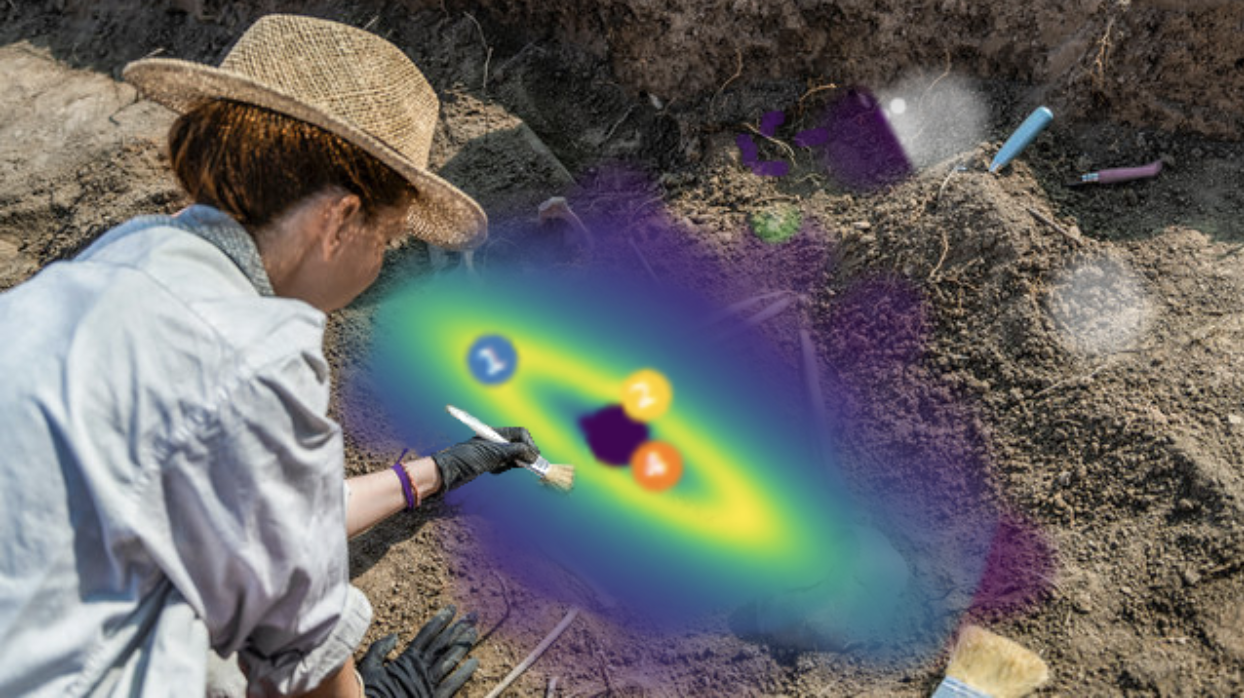
This guest post by Elise Seaward explains a new high-contrast imaging technique that combines reference-star differential imaging (RDI) and angular differential imaging (ADI) to better detect faint exoplanets and debris disks. The method, developed by Sandrine Juillard and her team, uses a reference star to model and subtract starlight (the "noise" masking exoplanets), then applies ADI to further refine the signal. The technique was tested on the HD 32297 debris disk using data from the Very Large Telescope's SPHERE instrument, showing improved contrast and detection of extended structures. The post draws an analogy between astronomers and archaeologists, both sifting through noise to find faint signals from the past.
Source
 bskyNew imaging technique combines reference-star and angular differential imaging to reveal faint exoplanets and debris disksastrobites.org
Key quotes
· 5 pulled"Astronomers and archaeologists have a lot in common. Both are looking for faint signals from the past, buried in a sea of noise."
"The challenge is that the star is so bright that it completely drowns out the light from any planets or debris disks orbiting it."
"By combining RDI and ADI, the team was able to achieve a higher contrast than either method alone, revealing the faint debris disk around HD 32297 in unprecedented detail."
"This technique could be a game-changer for direct imaging of exoplanets, especially for those in the habitable zone of their host stars."
"The method is particularly well-suited for next-generation telescopes like the Extremely Large Telescope (ELT) and the Nancy Grace Roman Space Telescope."
You might also wanna read


First Direct Imaging of Tatooine-Style Exoplanet Orbiting Twin Stars
The article discusses the first direct imaging of a Tatooine-style exoplanet orbiting twin stars, highlighting the significance of this achi
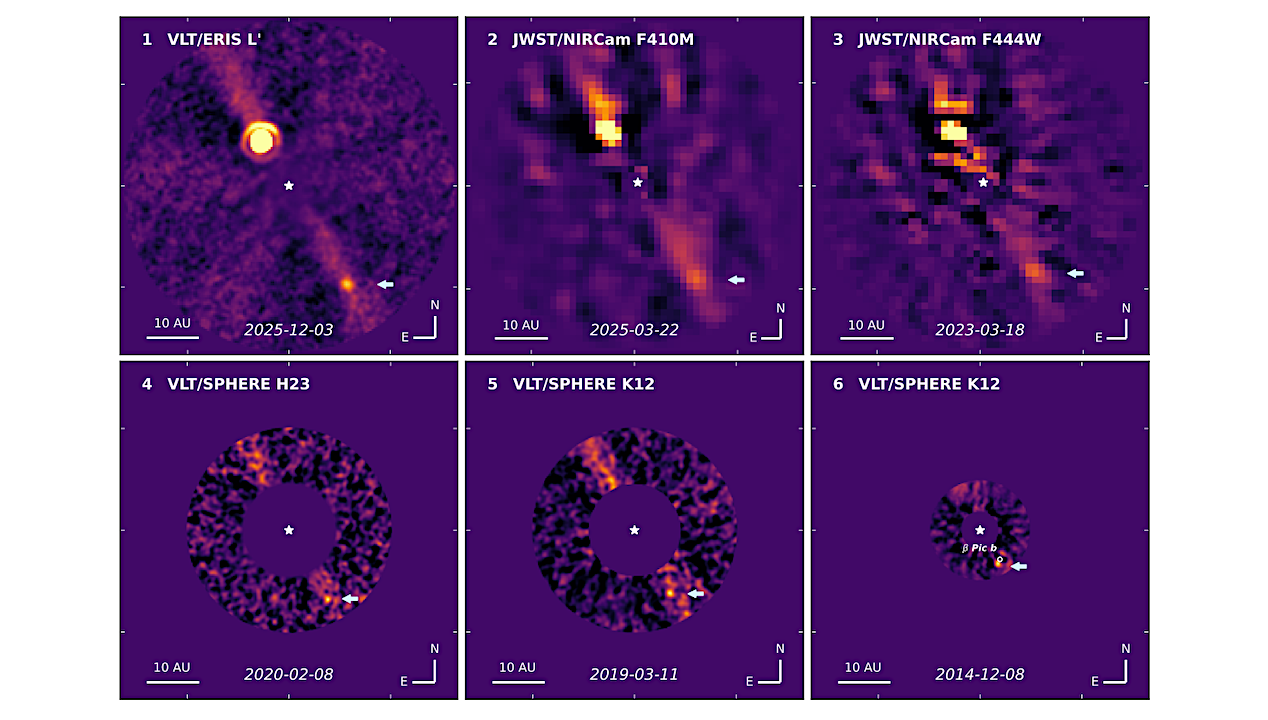
Astronomers Directly Image Third Giant Exoplanet in β Pictoris System
Astronomers report the direct imaging discovery of β Pictoris d, a third exoplanet in the β Pictoris system. The planet was detected using n
 astrobiology.com·15h ago
Machine Learning Validates Unrecognized Transient Astronomical Phenomena in Historical Observatory Images
This research paper uses machine learning to validate the existence of previously unrecognized transient astronomical phenomena in historica
 arxiv.org·2mo ago
High-precision HDC reference instrument for the Sol Star System

James Webb Space Telescope Captures First Direct Image of Exoplanet
The James Webb Space Telescope has captured its first direct image discovery of an exoplanet by identifying the infrared light of a likely p
smithsonianmag.com·1y ago
Astronomical transients in 1950s Palomar plates validated through optical aberration analysis
This paper examines fast astronomical transients detected in Palomar sky survey photographic plates from the 1950s. The authors address crit
arxiv.org·15d agoComments
Sign in to join the conversation.
No comments yet. Be the first.