





















Gourmand Syndrome: A Rare Eating Disorder Following Frontal Lobe Injury
By
ag8

Front-window bakery material. Catches the eye, delivers the goods.
Summary
Gourmand syndrome is a rare, benign eating disorder that typically develops 6-12 months after a frontal lobe injury, particularly in the right hemisphere affecting cortical areas, basal ganglia, or limbic structures. People with this condition develop a new passion for gourmet food and fine dining, characterized by both refined eating habits and an obsessive component. The disorder is neurological in origin and represents a specific type of eating behavior change following brain injury.
Key quotes
· 4 pulledGourmand syndrome is a very rare and benign eating disorder that usually occurs six to twelve months after an injury to the frontal lobe.
Those with the disorder usually have a right hemisphere frontal or temporal brain lesion typically affecting the cortical areas, basal ganglia or limbic structures.
These people develop a new, post-injury passion for gourmet food.
There are two main aspects of gourmand syndrome: first, the fine dining habits and changes to taste, and second, an obsessive component
You might also wanna read


Multi-omics and single-cell CRISPRi screening maps Alzheimer's GWAS variants to TSPAN14 effector gene in microglia
This study presents a variant-to-gene (V2G) mapping effort for Alzheimer disease (AD) that integrates ten brain-relevant genomics datasets—i

GLP-1 Therapy Reduces Migraine Frequency by More Than Half in Obesity Patients
A study from the University of Naples found that liraglutide, a GLP-1 receptor agonist typically used for diabetes and obesity, significantl
 medlink.com·6mo ago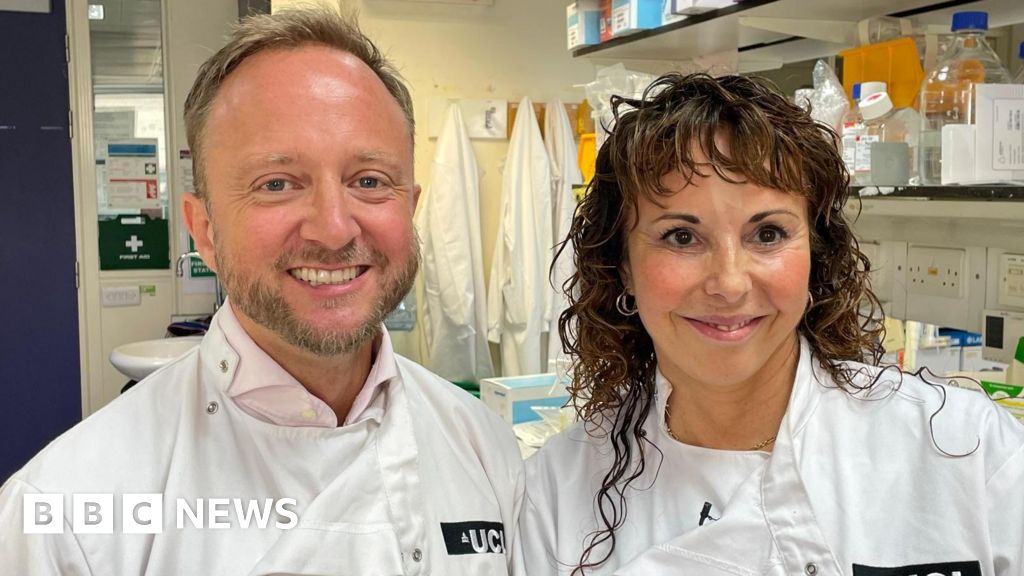
Huntington's disease treatment shows success in slowing progression for first time, UK trial finds
For the first time, doctors have successfully treated Huntington's disease, a devastating inherited neurodegenerative condition that kills b
 bbc.com·8mo ago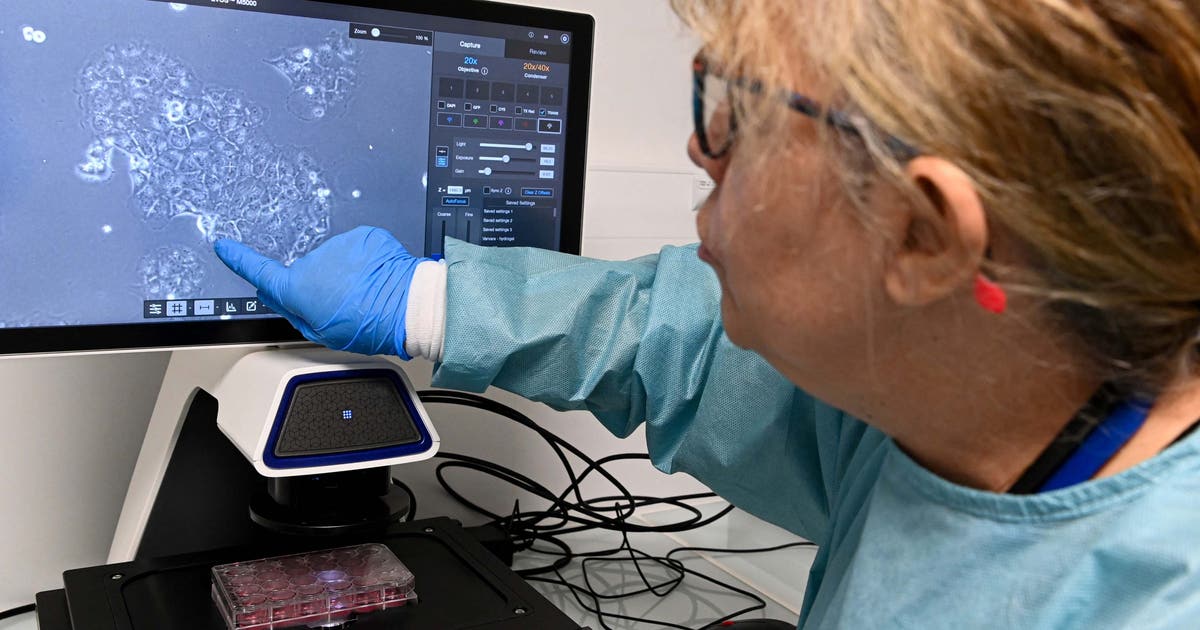
Experimental daraxonrasib pill extends survival for advanced pancreatic cancer patients, study finds
An experimental pill called daraxonrasib has shown promise in helping patients with advanced pancreatic cancer live longer. The drug blocks
 bit.ly·3h ago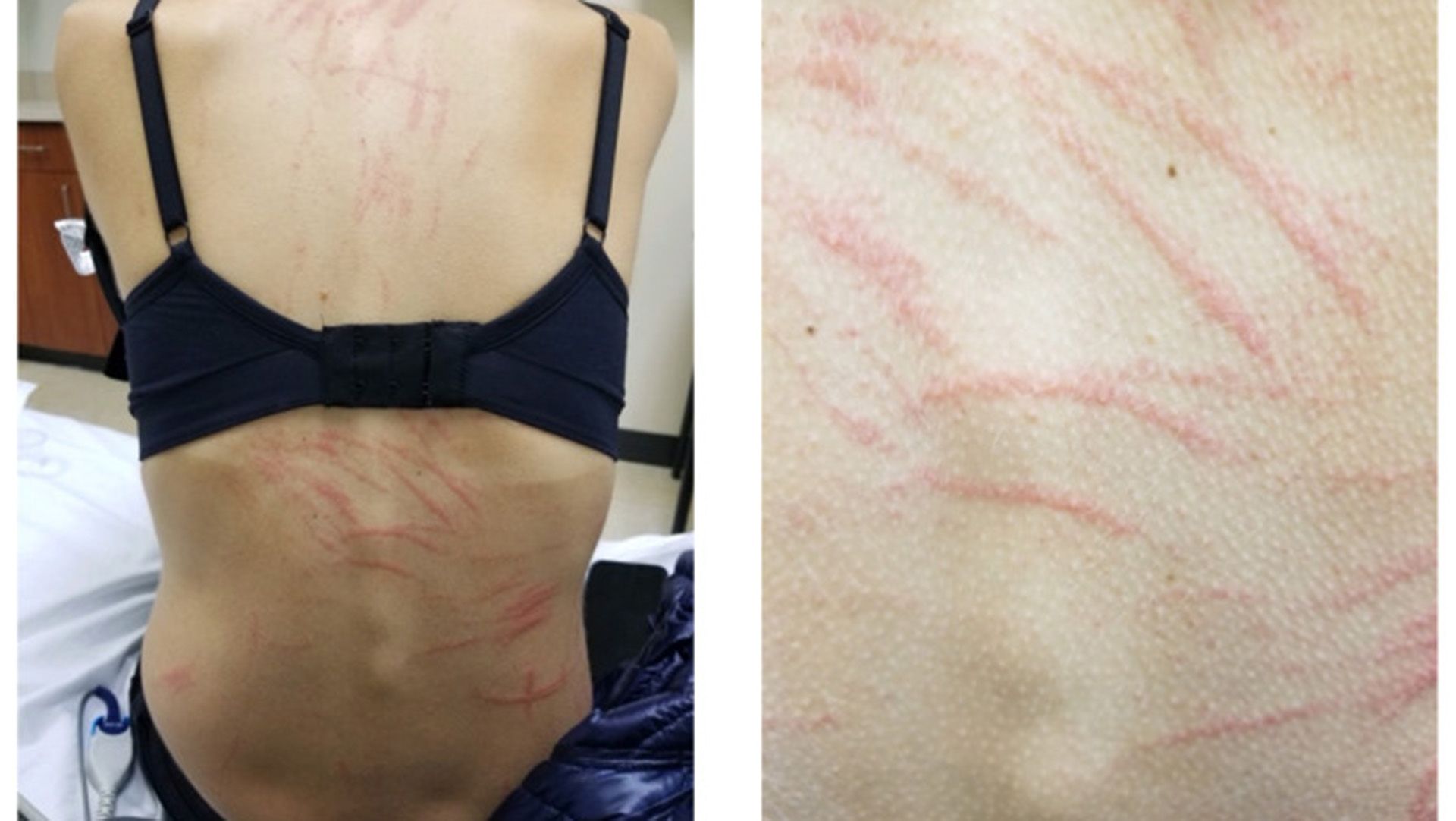
Woman develops whiplike rash on back after eating shiitake mushrooms
A woman developed bright-red, whiplike rashes on her back after eating shiitake mushrooms, a condition known as shiitake dermatitis. The cas
 livescience.com·4h ago
Molecular glue approach doubles survival time for pancreatic cancer patients in breakthrough trial
Chemical biologist Gregory Verdine developed a novel approach to fighting cancer by using "molecular glues" to bind disease-causing proteins
 pasadenastarnews.com·7h ago