
























Google disrupts NetNut residential proxy network used for malware operations
By
CNA
Summary
Google, in partnership with the FBI and Lumen, disrupted the NetNut residential proxy network (also known as Popa), which was being used to route and hide malicious online activity. Google disabled accounts and services tied to NetNut-related malware command-and-control operations and shared technical intelligence with law enforcement and industry partners to support broader enforcement efforts.
Source

 bskyGoogle disrupts NetNut residential proxy network used for malware operationschannelnewsasia.com
Key quotes
· 3 pulledAlphabet's Google said on Thursday it weakened a large network of internet-connected devices that was being used to hide and route malicious online activity.
The tech giant said it took action against the NetNut residential proxy network, also known as Popa, in partnership with the FBI and Lumen, among others.
Google said it disabled accounts and services used in NetNut-related malware command-and-control operations and shared technical intelligence on the group's infrastructure with law enforcement and industry partners to support broader enforcement efforts.
You might also wanna read


Fake 7-Zip Website Distributes Malware That Turns Computers into Proxy Nodes
A convincing fake website impersonating the legitimate 7-Zip archiver has been distributing trojanized installers that covertly turn victims
 malwarebytes.com·4mo ago
How Smart TVs Are Being Used as Exit Nodes in AI Web Scraping Networks
This article investigates how AI companies are using consumer smart TVs as exit nodes in residential proxy networks to scrape web data for t
 blog.includesecurity.com·27d ago
CTRL-AI v1: Transparent HTTP Proxy for Securing AI Agents with Guardrails
CTRL-AI v1 is a transparent HTTP proxy solution designed to secure AI agents by sitting between them and LLM providers. It enforces guardrai
 Product Hunt·4mo ago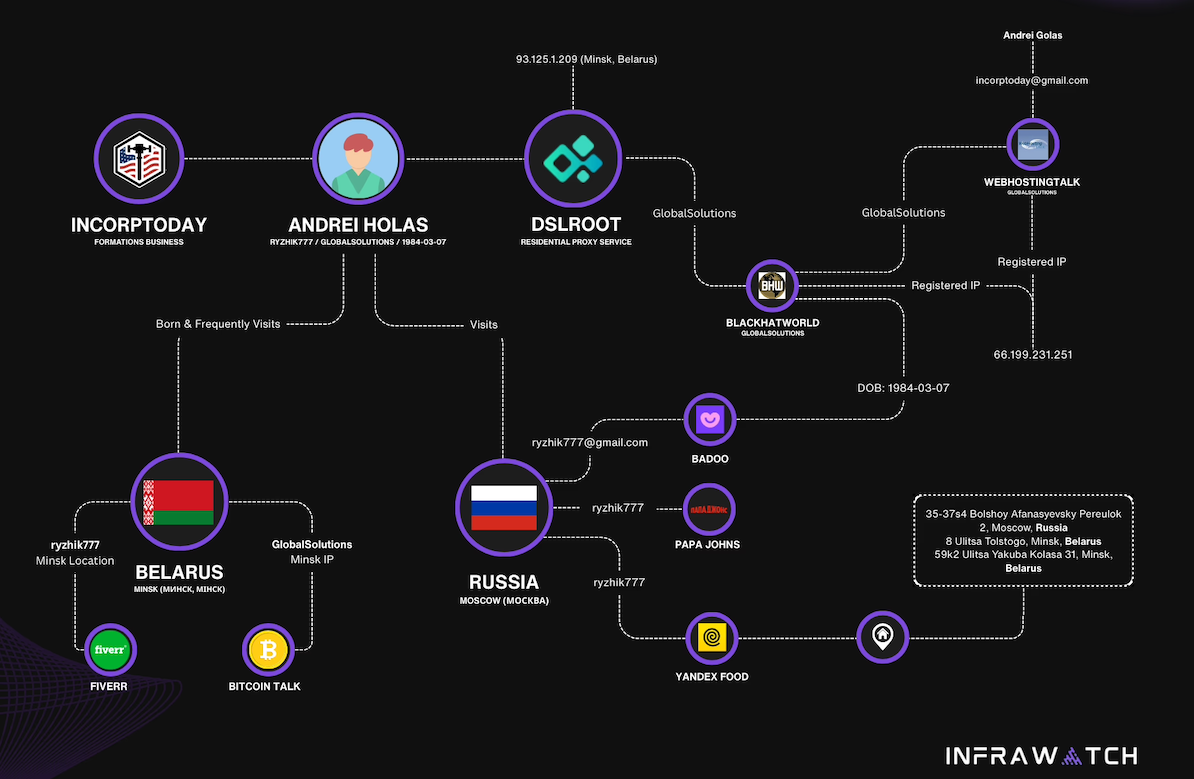
DSLRoot and the Cybersecurity Risks of Residential Proxy Networks
The article examines DSLRoot, one of the oldest residential proxy networks with origins in Russia and Eastern Europe, and the concerning pra

NPM supply chain attack compromises popular packages, posing widespread security risk
A significant supply chain attack on the NPM package ecosystem compromised several popular packages, potentially allowing malicious code to
 xeiaso.net·9mo ago
GitLab Identifies Large-Scale npm Supply Chain Attack with Destructive Malware
GitLab's security researchers have uncovered a large-scale supply chain attack in the npm ecosystem involving a destructive malware variant
 about.gitlab.com·7mo ago
Comments
Sign in to join the conversation.
No comments yet. Be the first.