
























Going Beyond a “One-Size-Fits-All” Approach to Indigenous Engagement: Building the Í:westel qe tótel:exwtel Toolkit
‘Traditional foodways’ refers to the deeply interconnected cultural, social and economic practices surrounding how a community produces, gathers, preserves, shares and consumes food. For Indigenous…
Read the full articleYou might also wanna read

Potential, precarity and persistence: Lessons from British Columbia's Food Hub Network on resilient food systems
JAFSCD: Journal of Agriculture, Food Systems, and Community Development. Publication of the Thomas A. Lyson Center for Civic Agriculture and
foodsystemsjournal.org·1mo ago
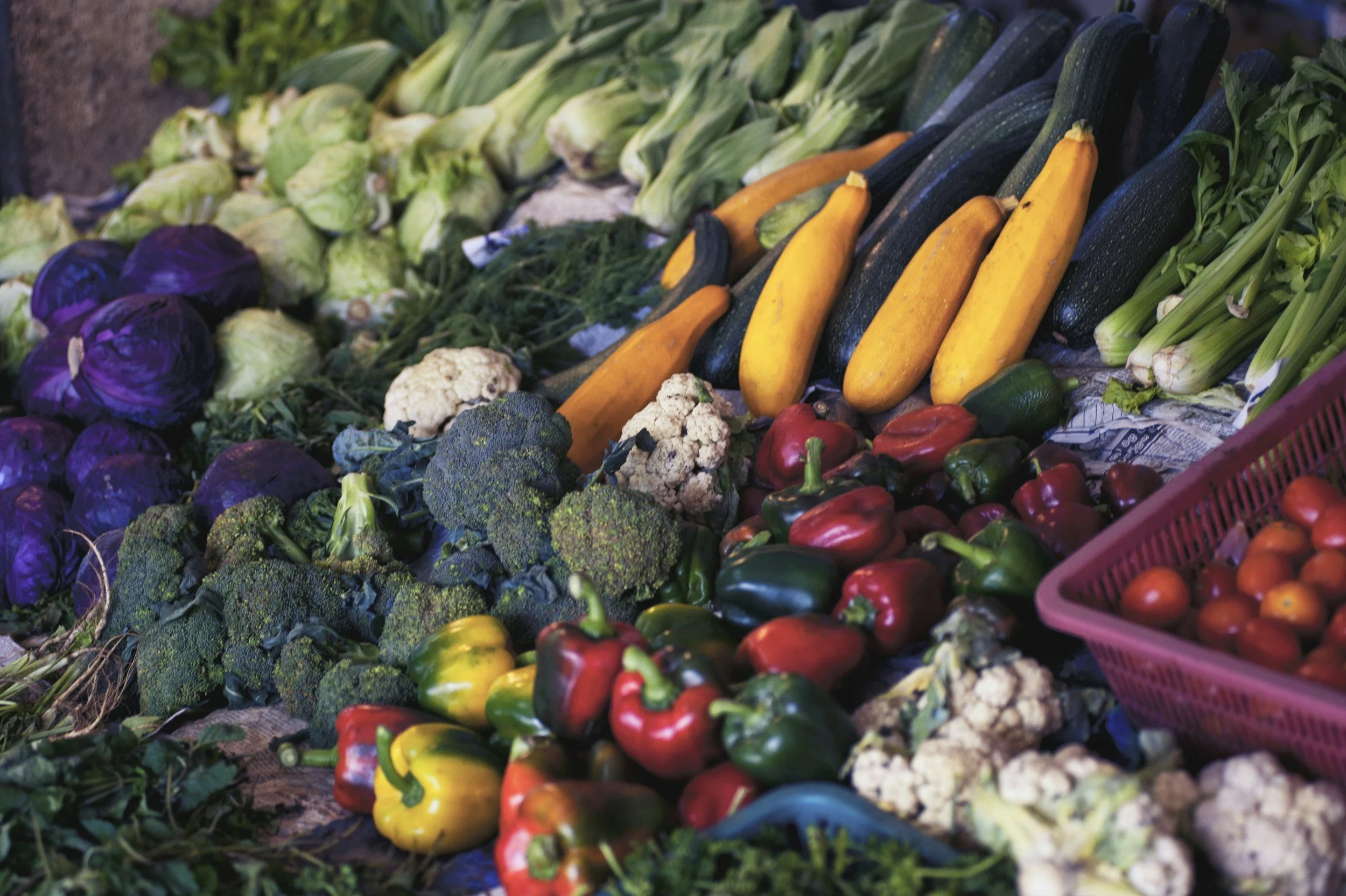
Edmonton Food Resource Map: Community Food Programs by Food Justice YEG
Explore Edmonton's food resources, including free, low-cost, and community food programs, with the Edmonton Food Resource Map by Food Justic
 foodjusticeyeg.ca·1mo ago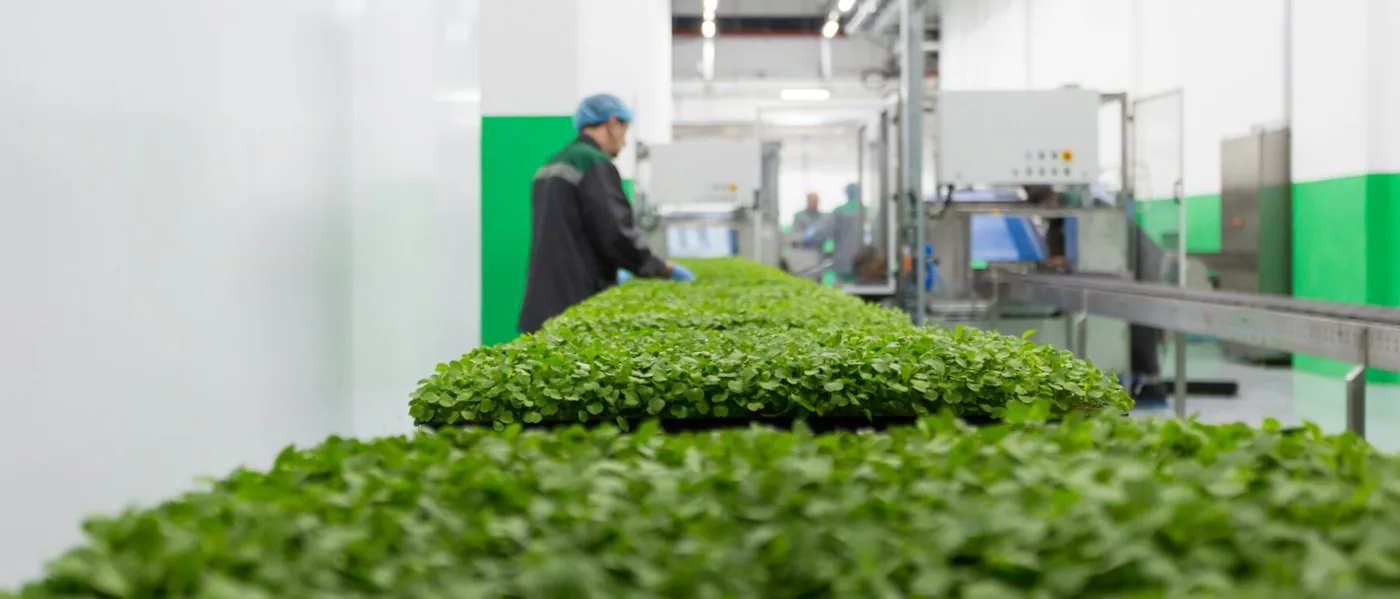
Why every link in the food value chain matters for sustainable food systems
Value chain integration is not important merely for coordination; it is fundamental to making sustainable food systems scalable.
 siani.se·9d ago
Authentic Experiences: Traditional Foods Are Becoming Modern Cultural Icons
Consumers are rediscovering traditional local foods through a new generation of artisan producers, social media creators, and food experienc
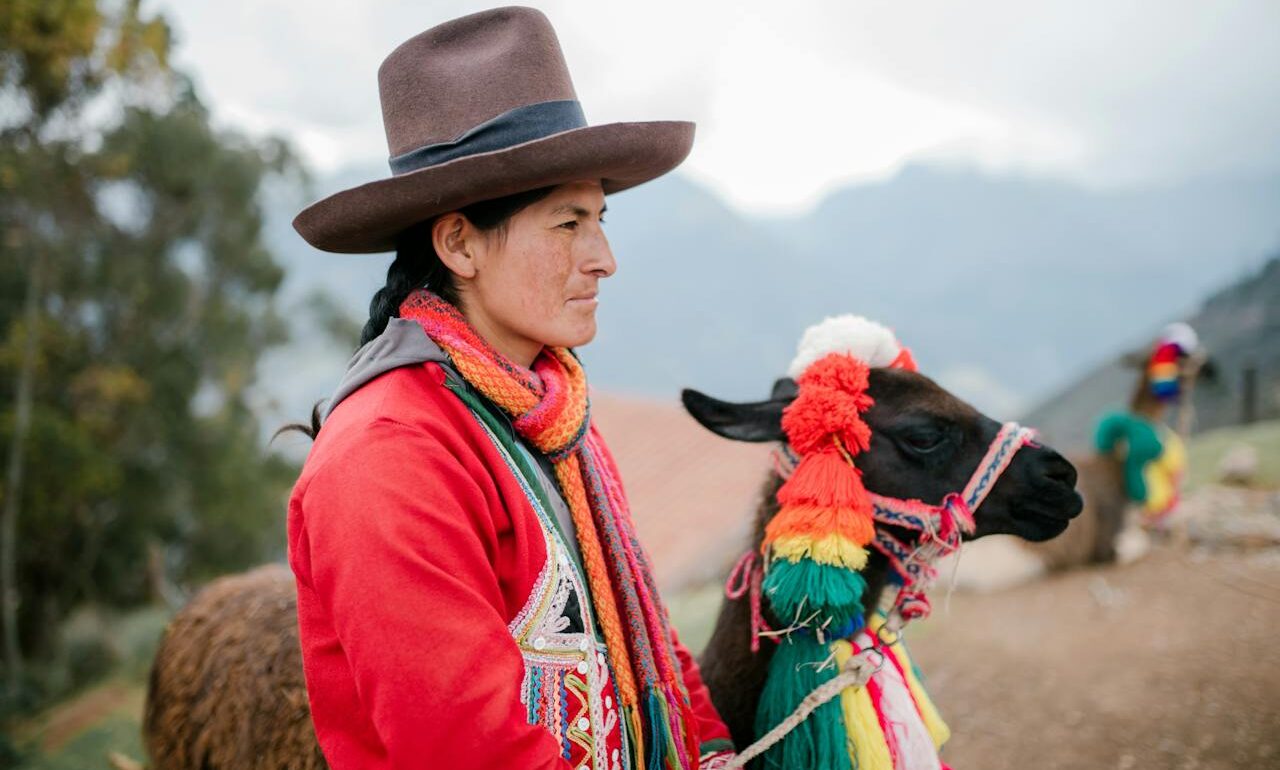
UN extends deadline for public consultation on Indigenous Peoples' food and knowledge systems report
The HLPE-FSN consultation aims to strengthen evidence and perspectives for the final report on Indigenous Peoples' food and knowledge system
siani.se·21d ago
Indigenous mental models for conceptualizing ecosystem services and benefits
1. In this paper we build on the previous work that explores relations between Indigenous people (First Nations; Traditional Owners) and the
Comments
Sign in to join the conversation.
No comments yet. Be the first.