
























Glycine Partitioning in Frozen Putative Europan Brines
Lucas R. Reynoso et al 2025 Planet. Sci. J. 6 64 Laboratory experiments show that the amino acid glycine preferentially associates with salt phases rather than water ice, suggesting that salt-rich…
Read the full articleYou might also wanna read

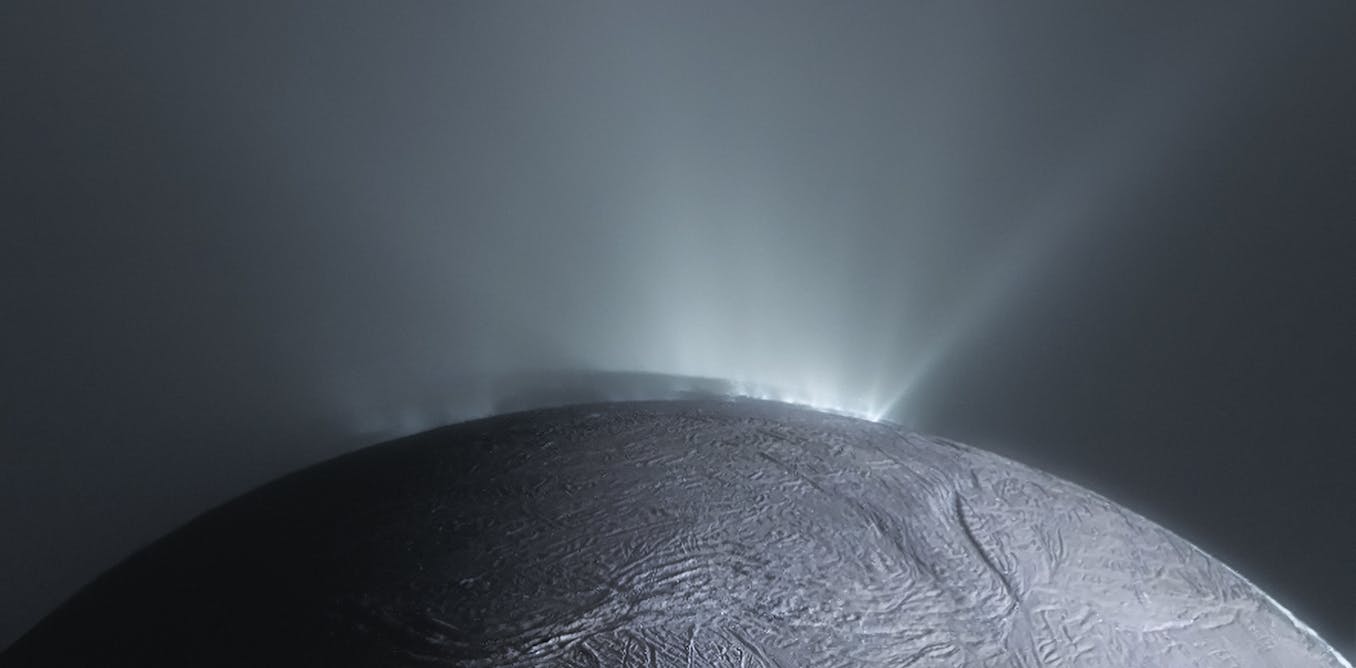
Scientists adapt ecological analysis methods to detect potential life on icy moons like Enceladus and Europa
Future missions may be able to take only a small, damaged sample from space back to Earth. A simple analysis tool could help determine wheth
 theconversation.com·1mo ago
University of Arizona Study Challenges Long-Held Chronology of Amino Acid Emergence in Genetic Code
Research rethinks amino acid origins, revealing insights into life’s earliest building blocks on Earth and potential clues for finding life
 popularmechanics.com·2d ago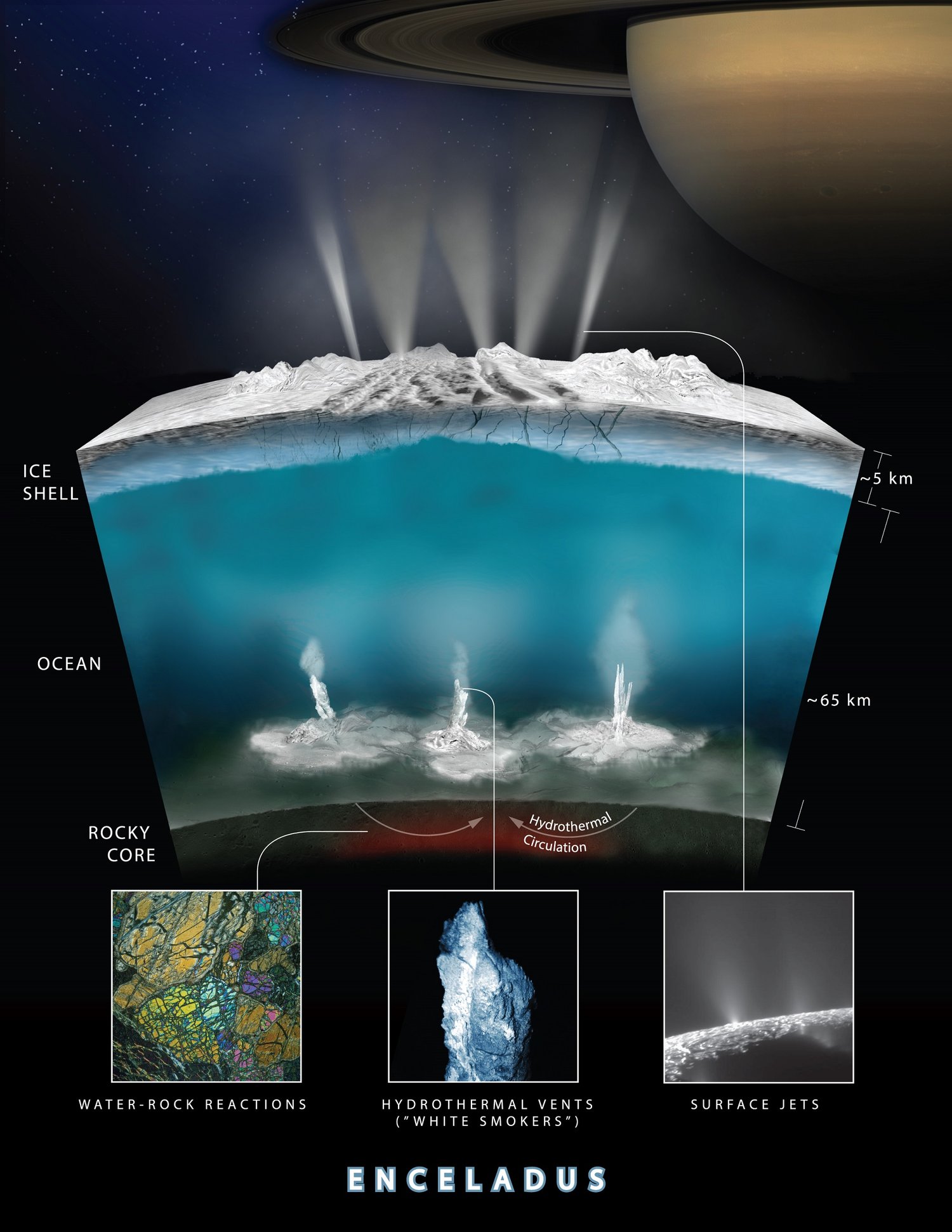
Study tests Earth bacteria survival in Enceladus-like conditions, published in Nature Communications
For decades, ever since the Pioneer and Voyager missions passed through the outer Solar System, scientists have speculated that life might e
 universal-sci.com·17d ago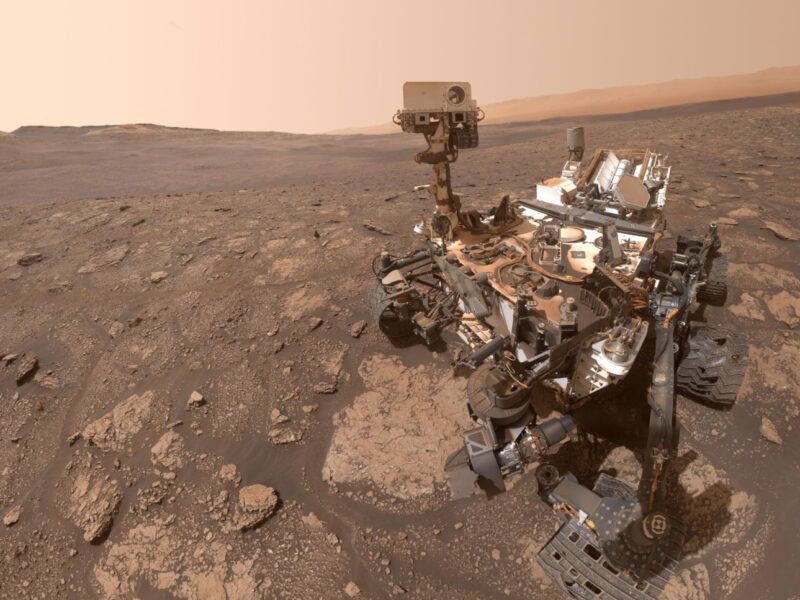
NASA's Curiosity Rover Discovers Organic Compounds on Mars, Including DNA-Related Molecules
The findings suggest Mars can preserve the kind of molecules that could point to proof that life once existed on the planet.
 courthousenews.com·2mo ago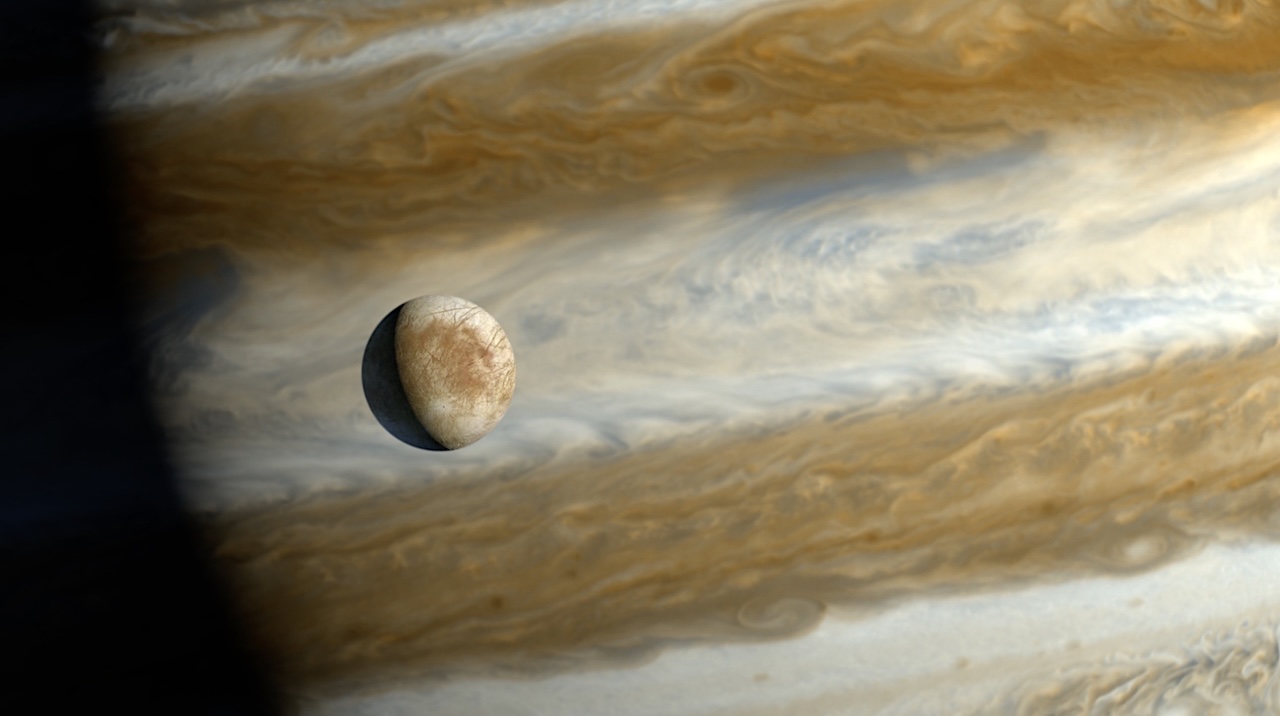
Study examines possibility of Earth bacteria reaching Europa's subsurface ocean via dust particles
The paper discusses the possibility of dust particles containing living bacteria ejected from Earth reaching Europa and landing on its surfa
 astrobiology.com·17d ago
Martian Organic Geochemistry: Contextualizing Recent Organic Molecule Discoveries in the Search for Life's Origins
This review of martian organic geochemistry aims to contextualize recent findings of organic molecules in martian meteorites
astrobiology.com·19d ago
Comments
Sign in to join the conversation.
No comments yet. Be the first.