
























Glimpse the fascinating geological past and giant's tale surrounding the Lake District's most famous stone
From the article
The Bowder Stone is one of the Lake District’s most remarkable natural landmarks, with its dramatic geological origins, ancient volcanic history and local legend combining to make it a must-visit attraction in the Borrowdale Valley. The Bowder Stone in the Borrowdale valley in the Lake District. Image credit: @_Leesa_74 via X The Bowder Stone stands as a curious oddity from which the past geology of the present landscape of the Lake District becomes a striking focal point. The very nature of its being, upended, and balanced, perched in stark defiance amidst a lush, humble oak woodland, is dominating and awe-inspiring to visitors coming from near or far. Geology and location It is thought that the Bowder Stone tumbled down from its original position as a part of Bowder Crag following the retreat of the Borrowdale glacier between 13,500 and 10,000 years ago . The stone its is ancient in composition, comprised of andesite lava, an extrusive volcanic material, which would have strewn out of a volcanic fissure, cooled, and solidified. The 2,000 ton stone (once a raging laval effluent) dates back to between 485 and 443 million years ago (a time period known as the Ordovician). Bowder Crag and other rugged mountainous areas of the Lakes, including Scafell Pike, are comprised of the same volcanic material and form part of the ancient Borrowdale Volcanic Group. You’ll find the giant Bowder Stone nestled within a precious fragment of Atlantic oak wood habitat in the Borrowdale Valley, a stones throw away from the market town of Keswick. Visitors travelling by car might stay at the YHA Keswick hostel, from which, its takes around 13 minutes by car to reach the National Trust Bowder Stone pay and display car park. National Trust members can park for free. A path leading to the stone from the car park takes about 10 minutes to walk. Legend has it that the Bowder Stone came to be in its rather commanding position by way of a giant. At a time when human settlers were exploring the ancient lands of the Lake District, giants were already in residence and not too pleased at the arrival of these newcomers. A great battle insued, within which a giant, powerful and ardent in the protection of his land and people, hurled a great boulder at the human invaders, and thus, the Bowder Stone stands. Related article Stonehenge Altar Stone from North East Scotland, not Wales, but discovery overturns new questions For visitors today, the gigantic stone is a geological wonder and a truly memorable landmark which can be viewed from the ground and from its top via a ladder. This monument to Earth’s history is worth a visit for geology lovers and those who wish to imbibe the striking natural beauty of Lake District’s dramatic landscape.
Continue reading on YourweatherYou might also wanna read

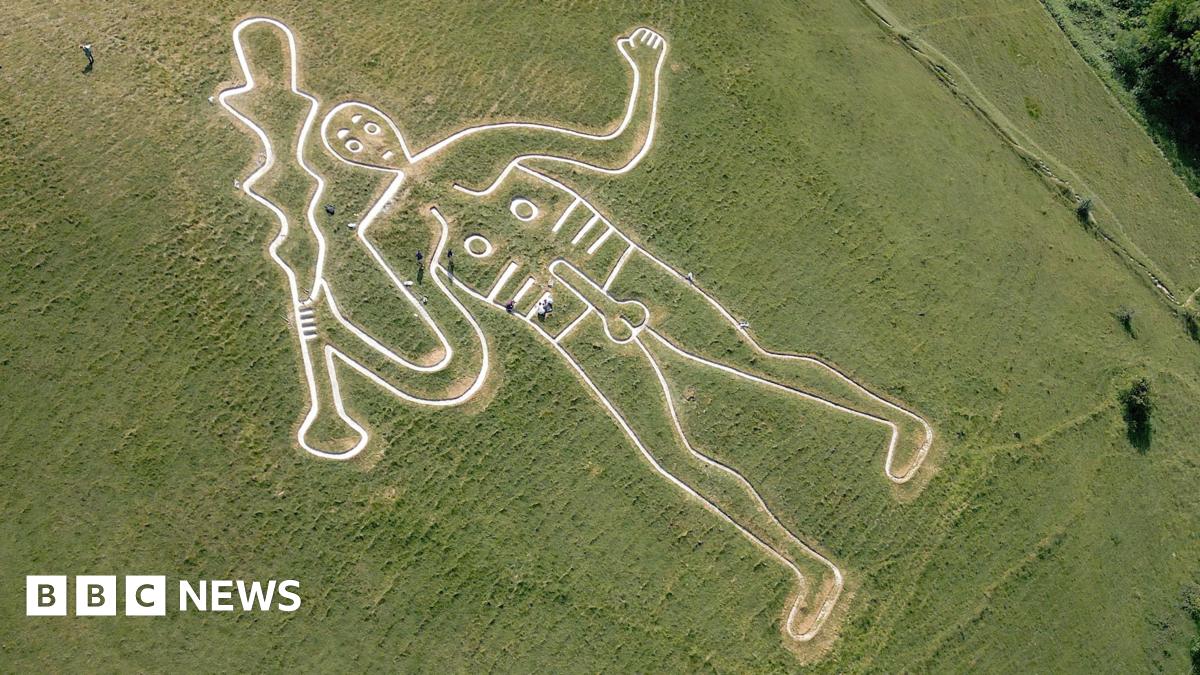
Cerne Abbas Giant receives 17 tonnes of fresh chalk to combat weather-related fading
The Cerne Abbas Giant, a famous chalk figure in Dorset, England, is being refreshed with 17 tonnes of new chalk by National Trust staff and
 bbc.co.uk·1mo ago
Climate crisis complicates restoration of Dorset's Cerne Giant chalk figure
The Cerne Giant, a centuries-old chalk figure in Dorset, England, requires periodic restoration by volunteers who manually rechalk its outli
 theguardian.com·1mo ago
Giant's Causeway formed by major volcanic event over 5.5 million years, study finds
Geochronologists have discovered that the Giant's Causeway in Northern Ireland was formed by intense volcanic activity during a major global
theguardian.com·24d ago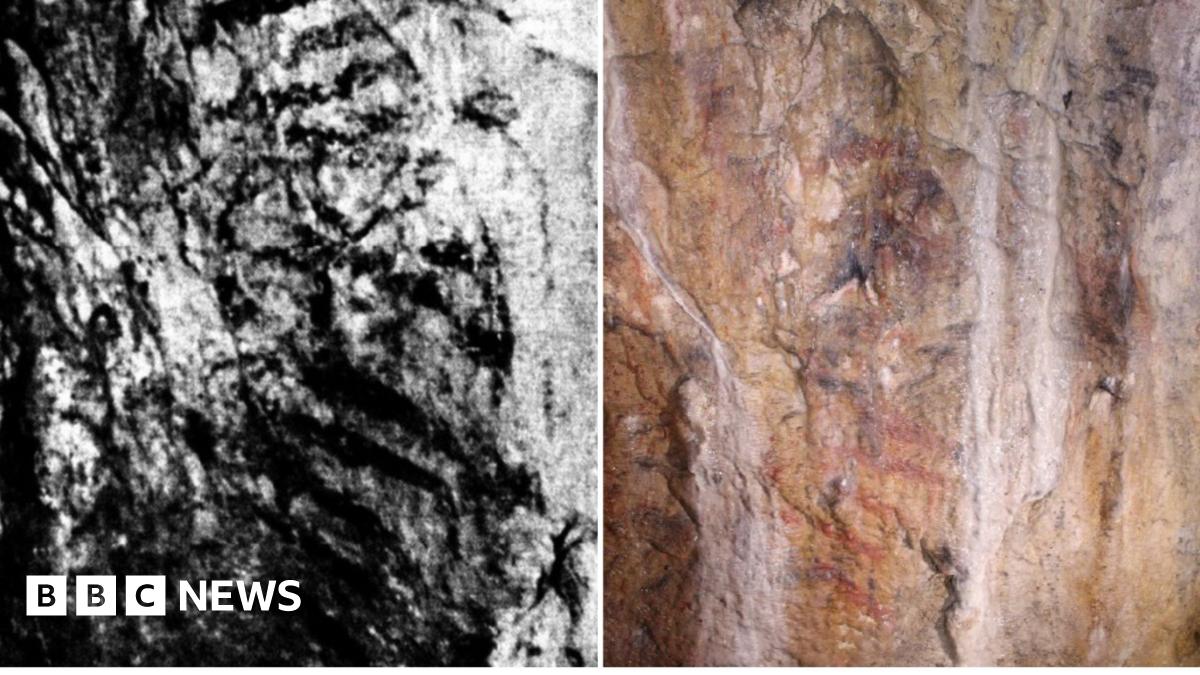
17,100-year-old rock art in Gower's Bacon Hole cave confirmed as Britain's earliest prehistoric engravings
Rock art discovered in 1912 in Bacon Hole cave on the Gower Peninsula, Wales, has been confirmed as Britain's earliest known prehistoric art
bbc.co.uk·1mo ago
Este parque nacional de dos mil kilómetros cuadrados alberga playas, bosques, cascadas y nueve grandes montañas
elDiario.es·1d ago

Ancient ring discovered underground in Scotland could be a Stonehenge-like monument
Live Science·7d ago
Comments
Sign in to join the conversation.
No comments yet. Be the first.