

























Oak: A version control system built for AI agents, not humans
By
zdgeier
Summary
Zach Geier introduces Oak, a new version control system designed specifically for AI agents rather than human developers. While acknowledging Git's excellence for human workflows (deliberate changes, patch reviews, distributed history), the article argues that agent-driven development requires different primitives: branch-per-session workflows, team and project scoping, and lazy mounts. Oak aims to fill this gap by providing version control tailored to how autonomous agents interact with codebases.
Source

 Hacker NewsOak: A version control system built for AI agents, not humansoak.space
Key quotes
· 3 pulledGit is extremely good at what it was built for: humans making deliberate changes, reviewing patches, and preserving a distributed history that can survive decades.
Git is forever. I'm building Oak anyways.
Branch-per-session workflows, team and project scoping, and lazy mounts for agent-driven development.
You might also wanna read


A Field Guide to Production-Ready AI Agents: Context Windows, Security, and Drift Monitoring
Karl Mehta presents a field guide for building production-ready AI agents, focusing on four key engineering challenges: context-window disci
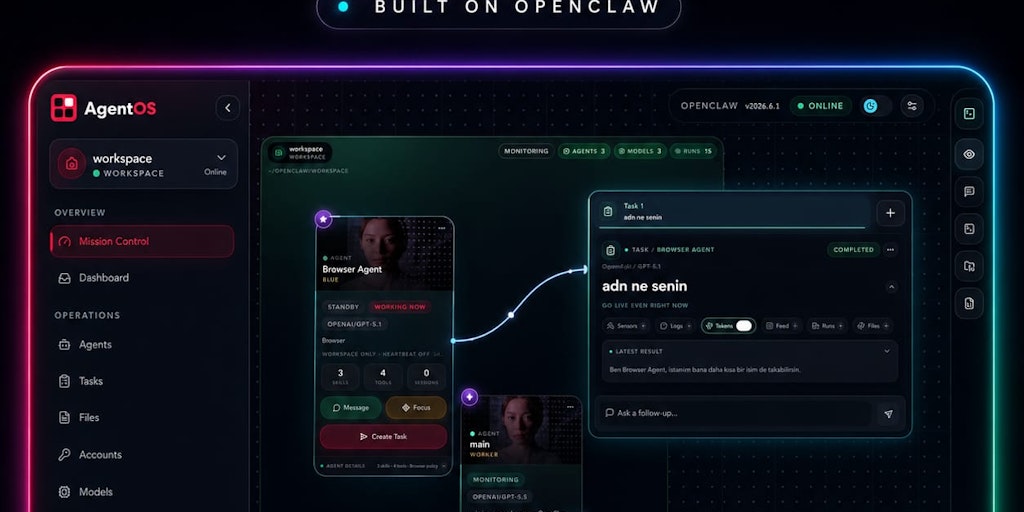
AgentOS: A local-first control layer for managing multiple AI agents across projects
AgentOS is a local-first control layer for managing multiple AI agents across projects. Built on OpenClaw, it provides structure for organiz
 Product Hunt·14d ago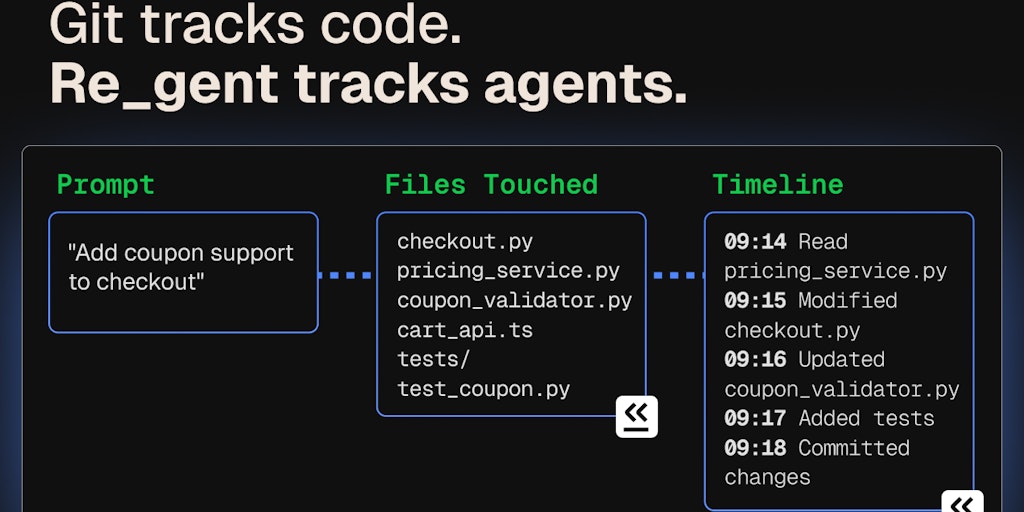
re_gent: Version Control Tool for Tracking AI Coding Agent Activity
re_gent is a new version control tool specifically designed for AI coding agents. Unlike traditional Git which tracks code changes, re_gent
Product Hunt·1mo ago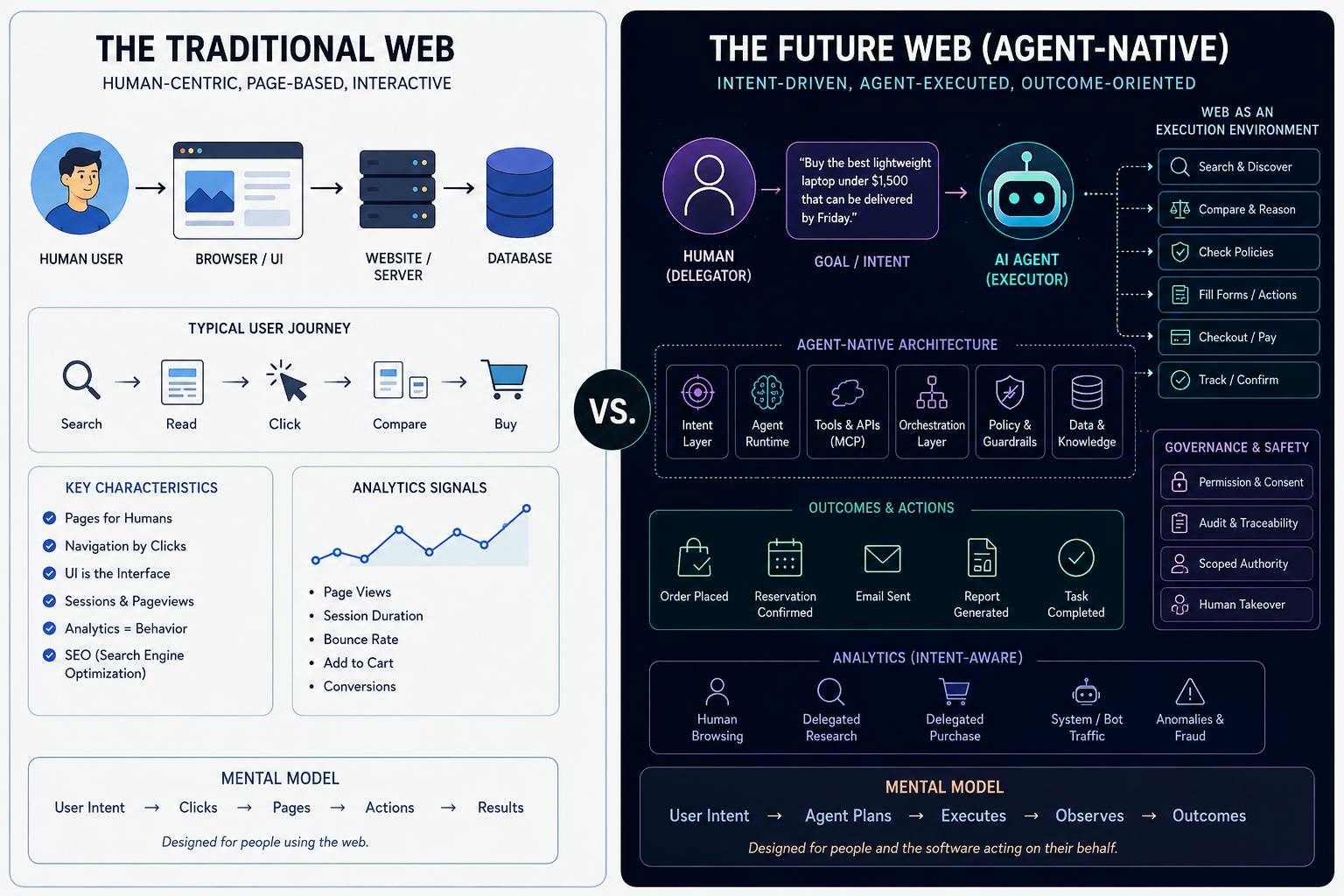
The Web's Shift to Agent-Native Architecture: Why Most Teams Are Unprepared
The article discusses the paradigm shift from traditional human-driven web browsing to an "agent-native" web ecosystem where AI systems auto
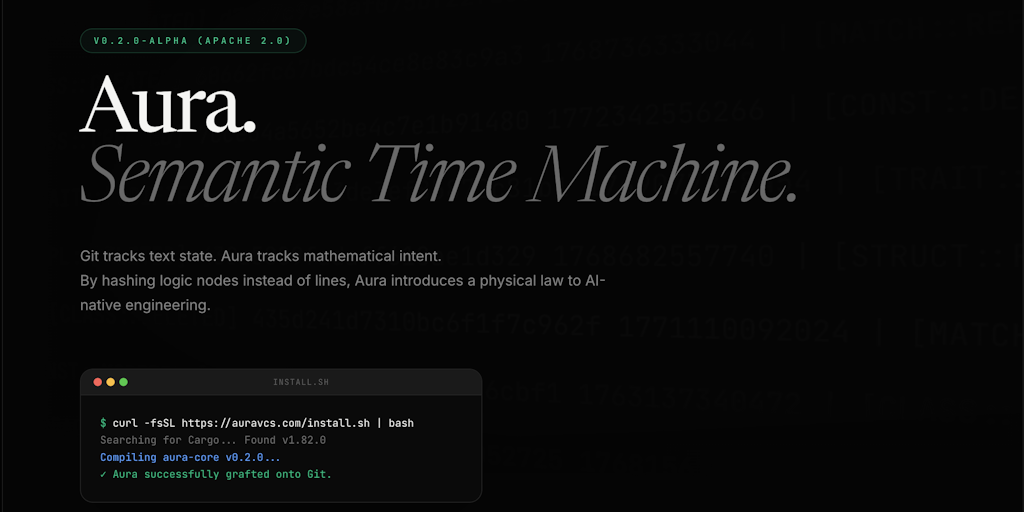
Aura: Semantic Version Control for AI-Generated Code Using AST Hashing
Aura is an open-source version control system designed specifically for AI-generated code. Unlike traditional Git which tracks text changes,
Product Hunt·3mo ago
Cursor · Origin
 cursor.com·5d ago
Comments
Sign in to join the conversation.
No comments yet. Be the first.