
























The real history of 'Luddite': From 19th-century labor protest to modern insult
By
Emma Bowman
Summary
This article explores the modern usage and historical origins of the term "Luddite." While today it's used as a derogatory label for people who resist or question new technology (particularly AI), the original Luddites were 19th-century English textile workers who smashed machines not out of technophobia, but to protest unfair labor practices and wage cuts. The article traces the evolution of the term from the Industrial Revolution to the current AI era, highlighting how the label is often misapplied to dismiss legitimate concerns about technology's impact on jobs, wages, and society.
Source

 bskyThe real history of 'Luddite': From 19th-century labor protest to modern insultnpr.org
Key quotes
· 3 pulledWhen someone dares to question the wonders of technology, there's a handy word used to mock them: Luddites.
The original Luddites were not anti-technology. They were skilled textile workers who saw their livelihoods threatened by mechanization and unfair labor practices.
Calling someone a Luddite today is often a way to shut down debate rather than engage with their concerns about technology's impact.
You might also wanna read

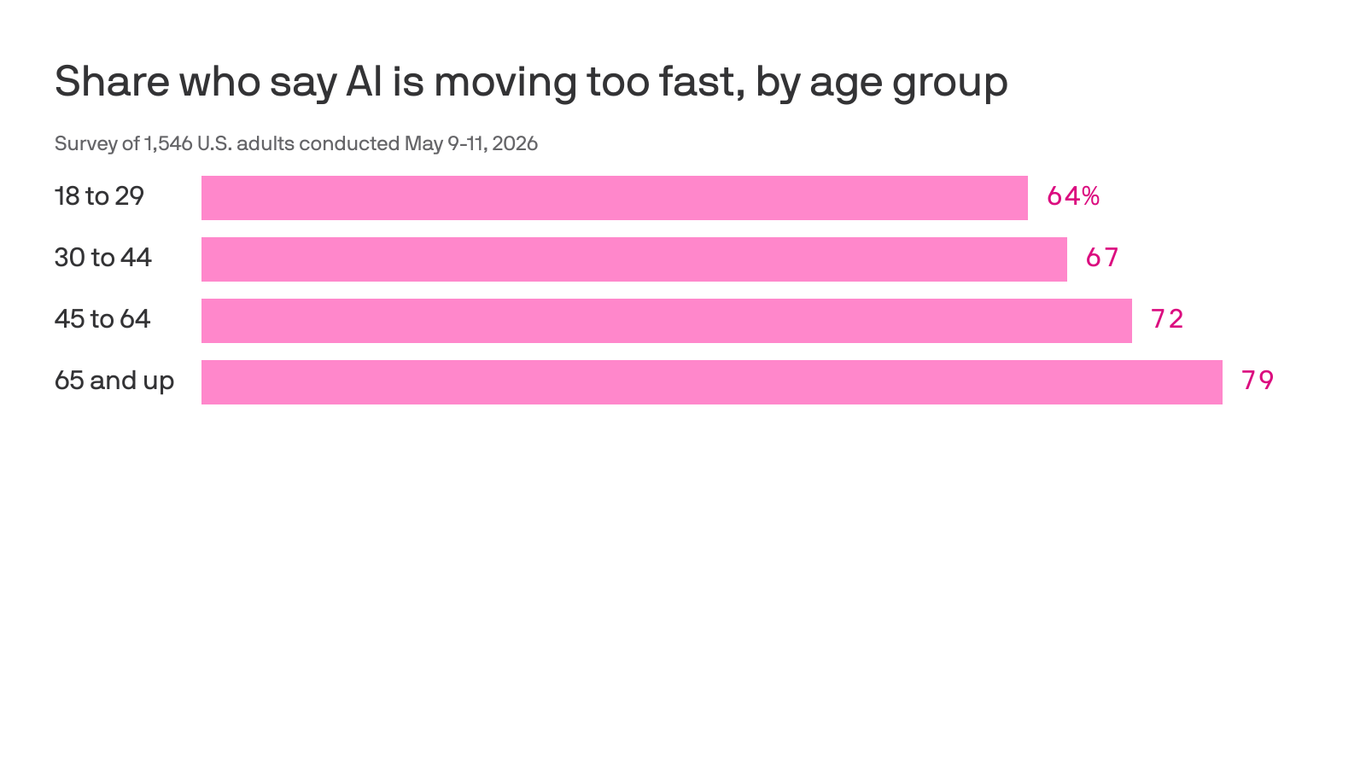
Growing public backlash against AI as concerns over jobs, costs, and inequality mount
Growing public backlash against AI is intensifying as people express concerns about job displacement, rising electricity costs, wealth inequ
 axios.com·1mo ago
The Historical Etymology of "Computer": From Human Calculators to Machines
The article explores the historical etymology of the term "computer," tracing its origins to human beings who performed complex calculations
digitalseams.com·5mo ago
New York's 'Summer of Ludd' Festival Channels Gen Z's Anti-Tech Sentiment Through Historical Reenactment
The article covers the "Summer of Ludd" festival in New York City's Tompkins Square Park, which uses theatrical performances and community g
 Wired·2d ago
New York's 'Summer of Ludd' Festival Channels Gen Z's Anti-Tech Sentiment Through Historical Reenactment
The article covers the "Summer of Ludd" festival in New York City's Tompkins Square Park, which uses theatrical performances and community g
wired.com·2d ago
Gen Z's growing backlash against AI: Young users report rising dissatisfaction with chatbot technology
The article examines how Gen Z, despite being early adopters of AI chatbots like ChatGPT, is increasingly turning against AI technology. Pol
 The Verge·2mo ago
Gen Z's growing backlash against AI: Young users report rising dissatisfaction with chatbot technology
The article examines how Gen Z, despite being early adopters of AI chatbots like ChatGPT, is increasingly turning against AI technology. Pol
The Verge·2mo ago
Why Public Backlash Against AI Is Growing: Fear, Enshittification, and the Tech Broligarchy
The article examines the growing public backlash against artificial intelligence, using the example of former Google CEO Eric Schmidt being
 paulkrugman.substack.com·9d ago
Why Public Backlash Against AI Is Growing: Fear, Enshittification, and the Tech Broligarchy
The article examines the growing public backlash against artificial intelligence, using the example of former Google CEO Eric Schmidt being
paulkrugman.substack.com·9d ago
Analog Lifestyle Movement Grows as Backlash Against AI Overload
The article discusses a growing backlash against AI-powered technology and the rise of 'analog lifestyles' where people are intentionally ch
 cnn.com·5mo ago
Comments
Sign in to join the conversation.
No comments yet. Be the first.