
























Study reveals gender and geographic disparities in authorship at One Health research organization
By
Cecilia A. Sánchez ,
Summary
This study analyzes authorship patterns at EcoHealth Alliance, a One Health research organization, examining 451 peer-reviewed articles published from 2011–2022. The research finds significant gender and geographic disparities: gendered male authors represented 60% of first and last authors, 65% of first and last authorships (FLAs), and 91% of highly productive authors. Last authorships were particularly male-dominated, with 2.7 times more male than female last authors. Network analysis showed male authors were more structurally important to the author network. Additionally, 72% of FLAs listed a high-income country (HIC) affiliation. The authors conclude with recommendations to address these disparities based on observed patterns and personal experiences.
Source
 bskyStudy reveals gender and geographic disparities in authorship at One Health research organizationjournals.plos.org
Key quotes
· 5 pulledWe found that gendered male authors represented 60% of first and last authors, 65% of first and last authorships (FLAs), and 91% of highly productive authors (those with ≥ 10 FLAs).
Last authorships were particularly male-dominated, with 2.7 times as many last authorships by gendered male authors as by gendered female authors.
HICs were also overrepresented in the corpus, with 72% of FLAs listing an HIC affiliation.
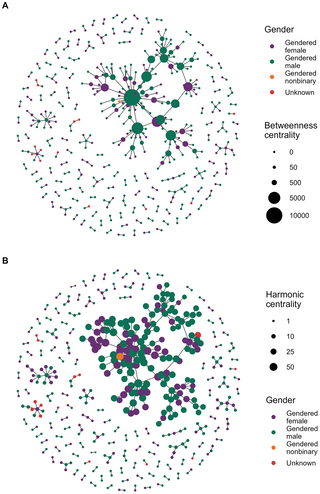
Our network analysis revealed that gendered male authors were more structurally important to the author network on average and comprised 65% of highly 'powerful' authors in the network.
We conclude by offering recommendations—informed by the patterns observed in our data and based on our personal experiences as researchers—that we believe would help address the gender and geography disparities in authorship patterns we observed.
You might also wanna read
The Gender Attractiveness Gap


Why science has failed women (and how we can change it right now)

Experts at HLTH Europe discuss using AI and better data to close the women's health gap
The article reports on discussions at HLTH Europe in Amsterdam about closing the women's health gap through AI and better data. Experts high
 mdsc.pe·14d ago
Corrected arXiv Submission Data Shows Steady Growth, Not Dramatic Surge in High-Energy Physics Papers
The article presents corrected arXiv preprint submission data showing that while there are year-over-year increases in submissions to the he
Transparent peer review to be extended to all of Nature's research papers

In Southeast Asia, peer-support network boosts women’s well-being in conservation
Comments
Sign in to join the conversation.
No comments yet. Be the first.