
























Future moon landings could wipe out clues to how life began on Earth
A new study suggests spacecraft exhaust could quickly contaminate the moon's most scientifically valuable regions, potentially masking ancient clues about how life began on Earth. Researchers say…
Read the full articleYou might also wanna read
Future moon landings could wipe out clues to how life began on Earth
A new study suggests spacecraft exhaust could quickly contaminate the moon's most scientifically valuable regions, potentially masking ancie
Future Moon Landings Could Contaminate Ancient Ice Traces, Clues to How Life Began on Earth
A study found methane from future lunar landings could spread across the Moon and contaminate ancient ice deposits that may preserve clues t


Moon dust preserves record of life’s building blocks
The Moon may preserve a record of the raw ingredients that helped life begin on Earth. New analysis of lunar samples returned by China’s Cha
Scientists want to quarantine alien life on the Moon before it reaches Earth
Scientists are calling for a lunar quarantine facility where samples from Mars, the Moon, and beyond would be examined before being brought
Could future moon landings cost humanity Earth's greatest secret? Scientists think so
Could future moon landings cost humanity Earth's greatest secret? Scientists think so In the 21st century, lunar exploration has entered a n
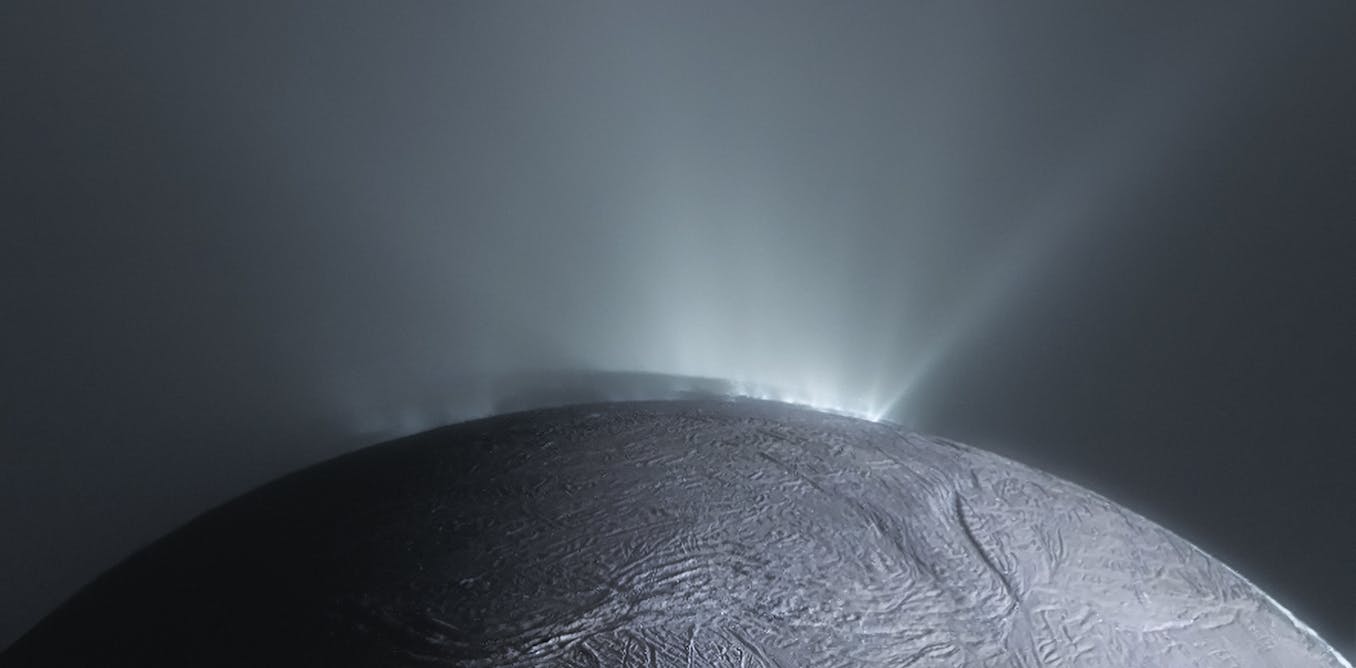
Scientists adapt ecological analysis methods to detect potential life on icy moons like Enceladus and Europa
Future missions may be able to take only a small, damaged sample from space back to Earth. A simple analysis tool could help determine wheth
 theconversation.com·1mo ago
Comments
Sign in to join the conversation.
No comments yet. Be the first.