





















Ancient squirrel feces preserved in permafrost reveal Ice Age ecosystem details through DNA analysis
By
Bethany Brookshire

A bagel you'd recommend to a friend without hedging.
Summary
Researchers analyzed ancient ground squirrel feces (coprolites) preserved in the Yukon permafrost to reconstruct Ice Age ecosystems. The pellets, which still smell like fresh feces when melted, contain DNA fragments revealing what the squirrels ate and what animals shared their environment. The study, published in Nature Communications, provides unprecedented detail about the sights and smells of ecosystems from the last Ice Age, including evidence of plants, fungi, and other animals that coexisted with these squirrels.
Key quotes
· 2 pulledThere's no mistaking. This is a very poopy-smelling lab.
The fresh fecal smell is a sign of science. The pellets contain fragments of DNA from the squirrels' diet that paint a picture of the animals' ecosystems in new detail.
You might also wanna read

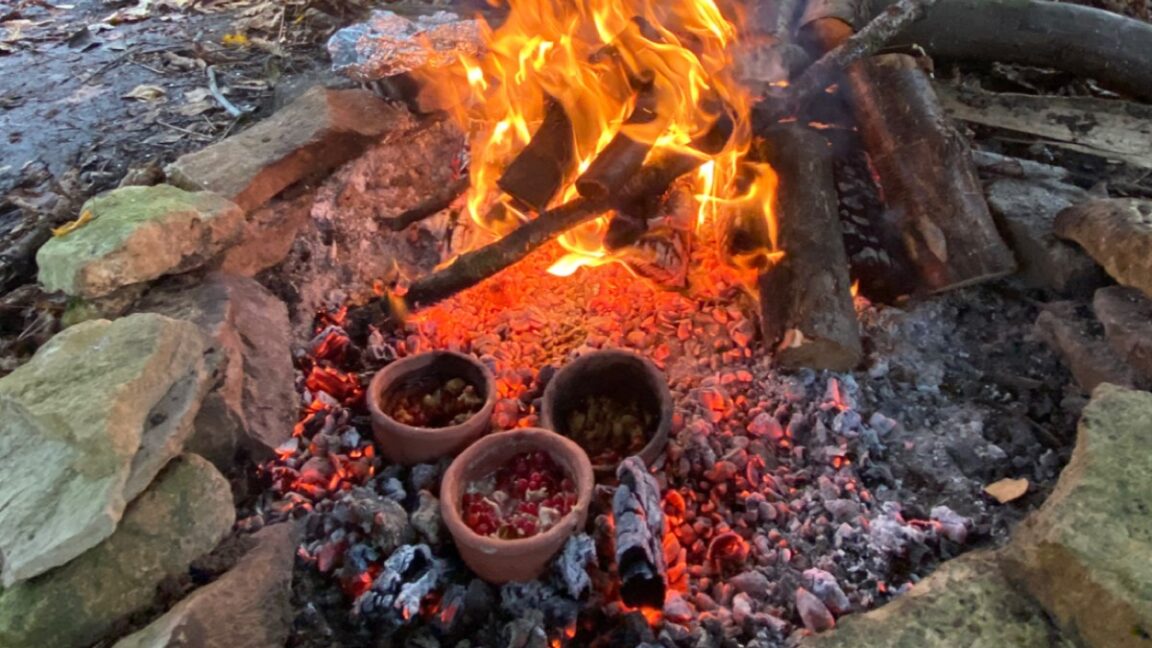
Archaeological Study Reveals Complex Plant-Based Diets of Prehistoric Europeans Through Pottery Residue Analysis
Archaeological research analyzing pottery residues from prehistoric European sites reveals complex plant-based diets and cooking practices.
 arstechnica.com·3mo ago
Ancient Foods Still Eaten Today: Exploring 100-Million-Year-Old Edibles
The article explores ancient foods that have survived for millions of years and are still consumed today, inspired by the Ginkgo biloba tree
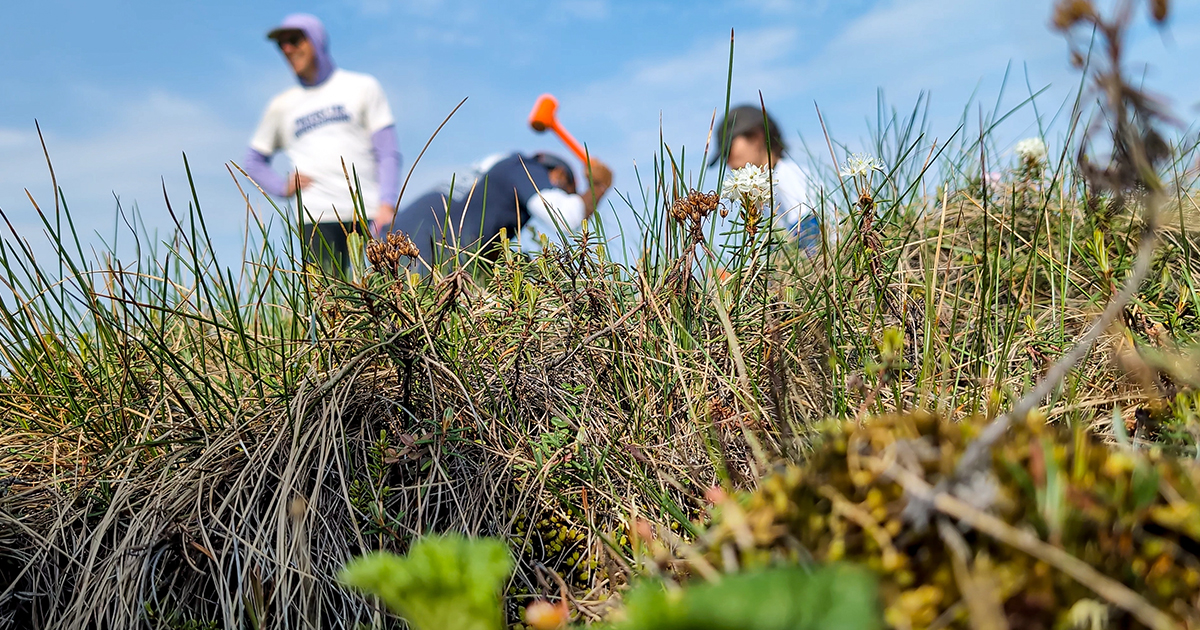
Arctic Research Expedition Studies Underground Fungal Networks and Carbon Storage
A team of biologists led by Michael Van Nuland embarks on an Arctic road trip along Alaska's Dalton Highway to study the critical undergroun
 quantamagazine.org·2mo ago
Archaeological Study Finds Physical Evidence of Roman Medical Use of Human Feces
A study published in the Journal of Archaeological Science provides the first physical evidence that ancient Romans used human feces in medi
 The Onion·3mo ago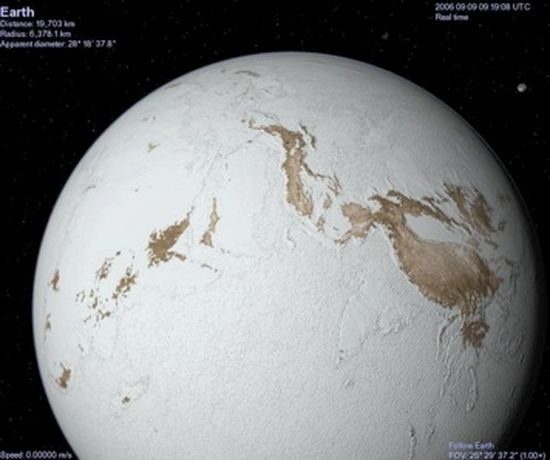
New analysis suggests Snowball Earth climate cycles may be more complex than current models predict
This article examines the Snowball Earth and Slushball Earth hypotheses during the Sturtian glacial period of the Neoproterozoic Era. It dis
 Science X·1mo ago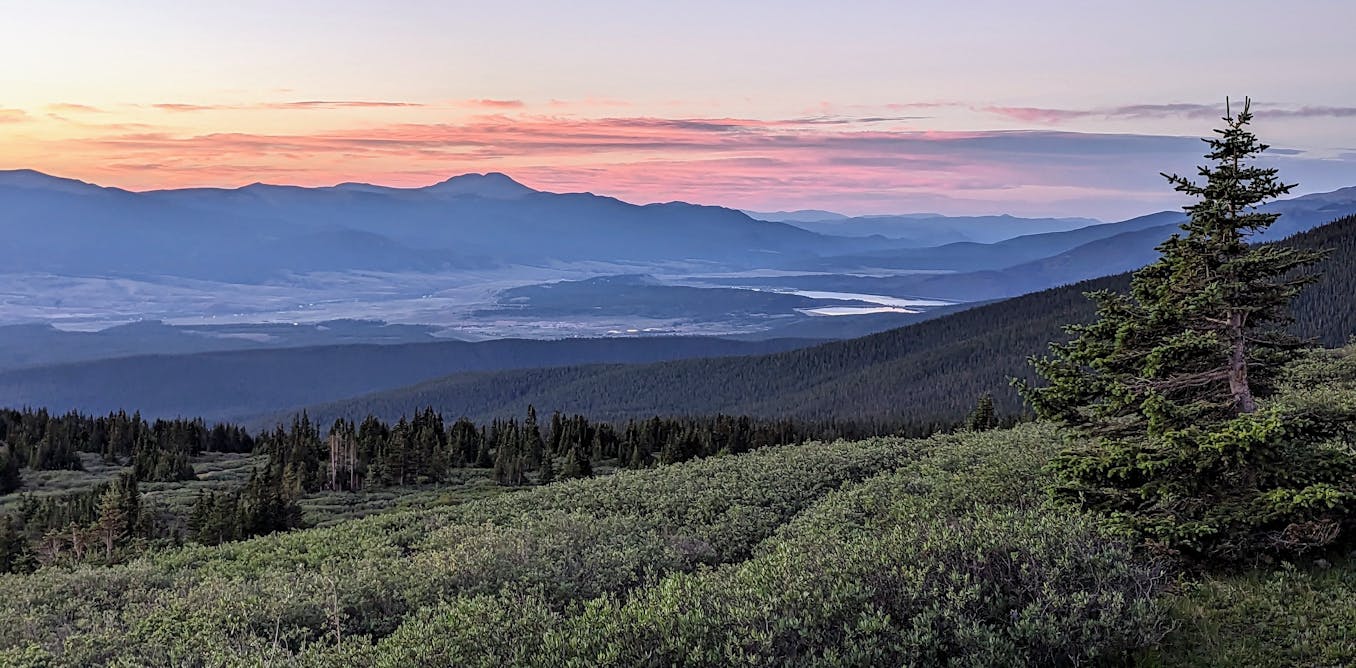
How to properly dispose of human waste while hiking to protect the environment and other hikers
This article addresses the environmental and public health impact of human waste left behind by hikers in natural areas. It explains how pat
 theconversation.com·9mo ago