
























SHACLens: Interactive visualization workflow for exploring SHACL violations in knowledge graphs
IntroductionValidating large knowledge graphs with the Shapes Constraint Language (SHACL) often yields violation reports too large to interpret and trace to ...
Read the full articleYou might also wanna read


Cracking Open the Black Box: How SHARC Makes Regulatory Capital Transparent
SHARC offers a game-changing solution to the 'black box' problem in machine learning models for regulatory capital by ensuring transparency

Rethinking AI Reasoning: A New Framework Challenges Conventional Wisdom
GRAPHEVAL, a graph-based reasoning framework, offers a fresh approach to addressing the flaws in LLM reasoning by introducing the Graph Reas
Announcing Spanner Graph algorithms: Google-grade intelligence for connected data
At Google Cloud Next, we announced the preview of graph algorithms with Spanner Graph , bringing Google Research’s state-of-the-art graph mi
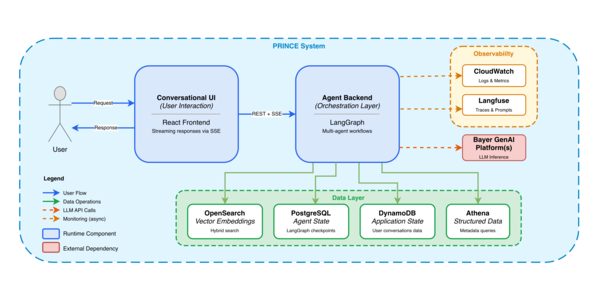
How LLMs Are Transforming Preclinical Drug Discovery Data Access
AI helping pharmaceutical researchers query decades of information buried in PDF reports
How LLMs Are Transforming Preclinical Drug Discovery Data Access
AI helping pharmaceutical researchers query decades of information buried in PDF reports
How LLMs Are Transforming Preclinical Drug Discovery Data Access
AI helping pharmaceutical researchers query decades of information buried in PDF reports
Colored Petri Nets and LLMs: A Formal Approach to Verifiable Distributed Applications
A big theme in LLM-enabled software dev is that verifiable correctness makes it much easier to take bigger leaps with LLMs. E.g. tests, comp
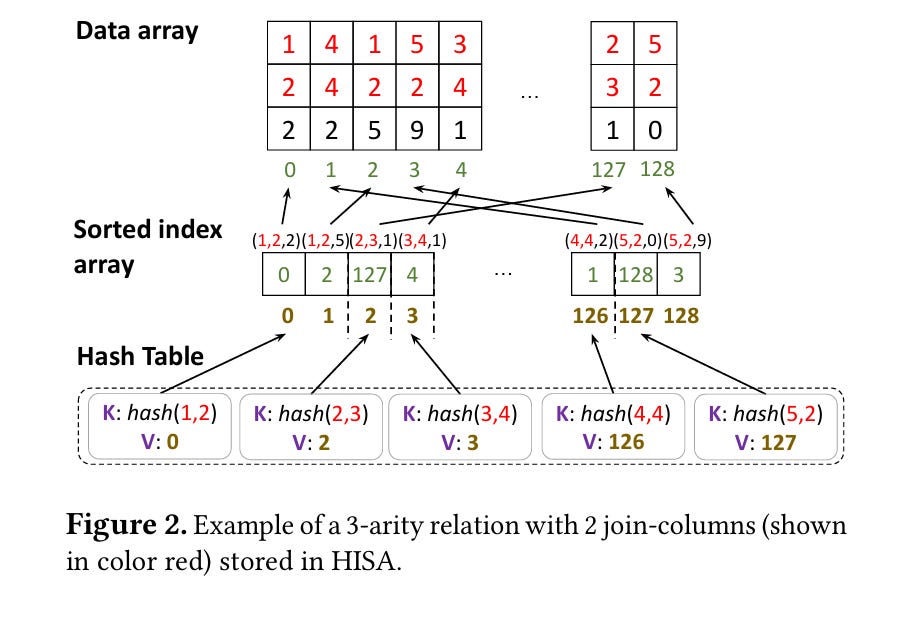
GPU-Optimized Datalog Evaluation: GPULOG System Analysis from ASPLOS'25 Paper
A deep dive into the ASPLOS’25 paper ‘Optimizing Datalog for the GPU.’ Learn how GPULOG leverages hash-indexed sorted arrays to outperform e
 danglingpointers.substack.com·8mo ago
Comments
Sign in to join the conversation.
No comments yet. Be the first.