
























Why Structured Text Programming in PLCs Creates Major OT Security Vulnerabilities
By
HackMoN Ai
Summary
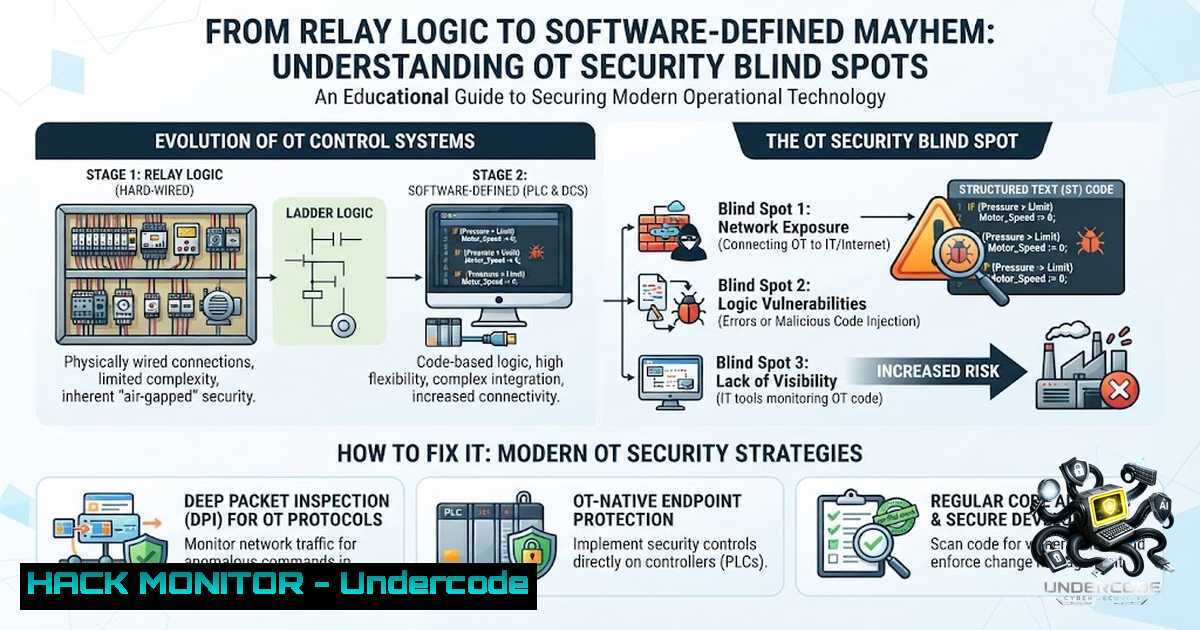
This article examines the cybersecurity risks introduced by the shift from traditional Ladder Logic programming of PLCs to IEC 61131-3 Structured Text (ST), a high-level, Pascal-like language. It argues that while ST brings power and flexibility to industrial automation, it also creates significant security blind spots in Operational Technology (OT) environments. The piece, tied to Zakhar Bernhardt's upcoming Labshock Masterclass, explores how software-defined controllers expand the attack surface and offers guidance on mitigating these emerging threats.
Source
 bskyWhy Structured Text Programming in PLCs Creates Major OT Security Vulnerabilitiesundercodetesting.com
Key quotes
· 3 pulledThe industry's shift toward IEC 61131-3 Structured Text (ST)—a high-level, Pascal-like language—has transformed PLCs from simple relay replacements into sophisticated software-defined controllers.
This evolution brings immense power and flexibility, but as Zakhar Bernhardt's upcoming Labshock Masterclass makes clear, it also introduces significant security blind spots.
From Relay Logic to Software-Defined Mayhem: Why Structured Text Is OT's Biggest Security Blind Spot
You might also wanna read

Security Analysis of OpenClaw: Risks and Vulnerabilities in AI-Powered Autonomous Agents
The article critiques OpenClaw, an AI-powered autonomous agent system, comparing it to earlier AI agent hype cycles like AutoGPT and BabyAGI
 composio.dev·3mo ago
How Pentesting Keeps Operational Technology Secure
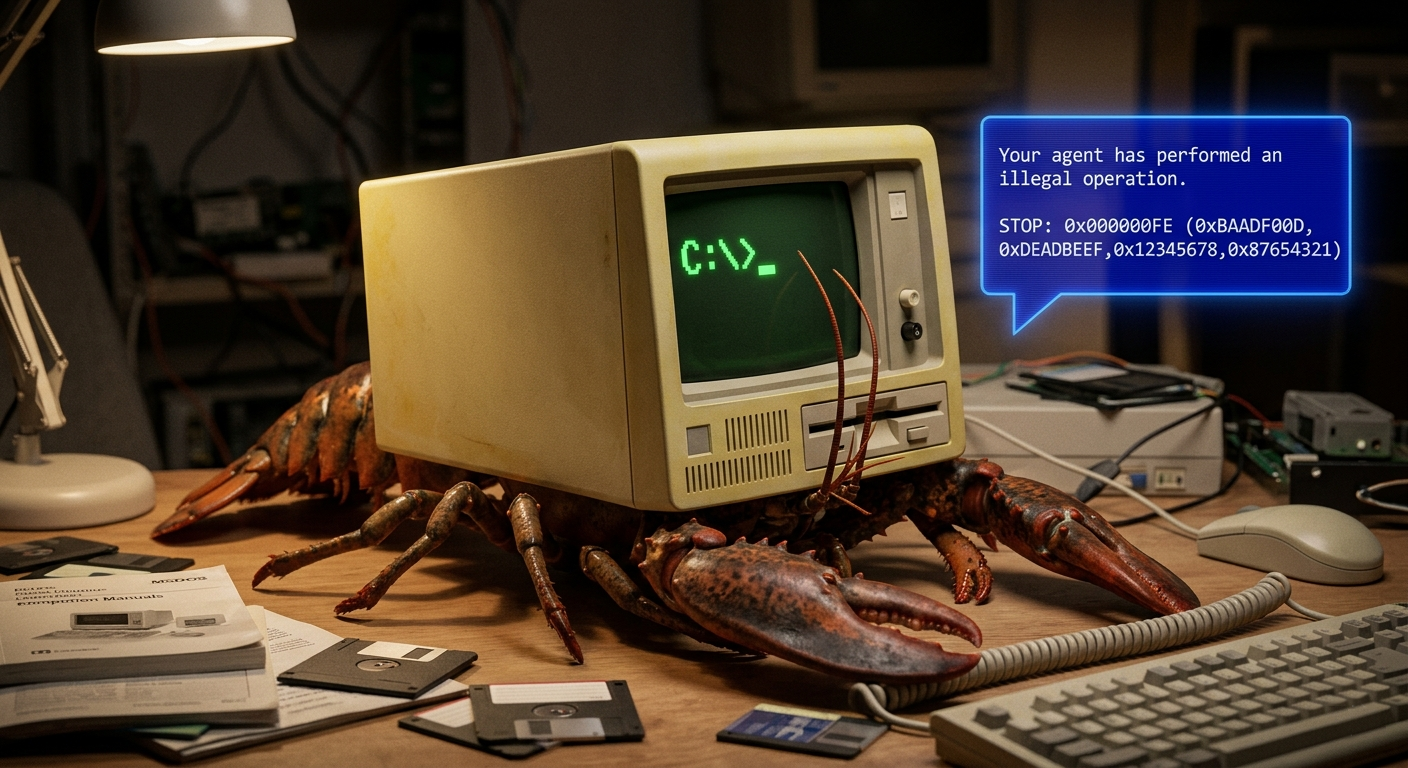
Historical Reflection on Computing Security: From MS-DOS Vulnerabilities to Modern Protection
The article reflects on the evolution of computing security from the MS-DOS era to modern systems, using OpenClaw as a starting point for di
 flyingpenguin.com·2mo ago
The Fundamental Flaws in Traditional Logging and the Case for Wide Events in Observability
The article critiques traditional logging practices in software development, arguing that conventional logs are fundamentally flawed and ins
 loggingsucks.com·6mo ago
Using CUE Schemas to Unify IoT Sensor Data in Home Automation
The article details the author's experience building a home automation system using CUE (Configure, Unify, Execute) schemas to handle divers
 aran.dev·8mo ago
Comments
Sign in to join the conversation.
No comments yet. Be the first.