
























How Organic Solar Cell Research Methods Inform AI-Driven Cybersecurity Approaches
By
HackMoN Ai
Summary
This article draws an analogy between research methods used in organic solar cell development (specifically pump-push-probe spectroscopy and electroluminescence techniques from HKUST(GZ) researchers published in Nature Communications) and their methodological implications for AI-driven cybersecurity. It argues that the same paradigm of observing, probing, and analyzing complex systems can be applied to monitoring hackers and securing digital infrastructure. The piece connects physics research methodology to cybersecurity strategy, suggesting that interdisciplinary approaches from materials science can inform how we detect and respond to cyber threats.
Source

 bskyHow Organic Solar Cell Research Methods Inform AI-Driven Cybersecurity Approachesundercodetesting.com
Key quotes
· 3 pulledThe frontier of cybersecurity no longer lies solely in firewalls and encryption—it is increasingly found at the intersection of physics, data science, and artificial intelligence.
When researchers at HKUST(GZ) led by Assistant Professor Jiaying WU published breakthrough findings in Nature Communications on single-component organic solar cells, they weren't just advancing sustainable energy; they were demonstrating a methodological paradigm that has profound implications for cybersecurity.
Using pump-push-probe spectroscopy and electroluminescence
You might also wanna read


Researchers Develop Materials for Light-Based Computer Chips to Improve Efficiency and Speed
Researchers are developing light-based computers that use photons instead of electricity, which could offer greater energy efficiency and fa
Metamaterials, AI, and the Road to Invisibility Cloaks

Bridging the Semiconductor Talent Gap: Cross-Training CS Students and AI-Assisted Hardware Design
The article discusses innovative approaches to address the talent shortage in the semiconductor industry, including cross-training computer
 semiengineering.com·4mo ago
All-Optical Chip Enables Large-Scale AI Semantic Vision Generation
Researchers have developed an all-optical synthesis chip that addresses the computing power shortage in large-scale generative AI models. Th
 science.org·5mo ago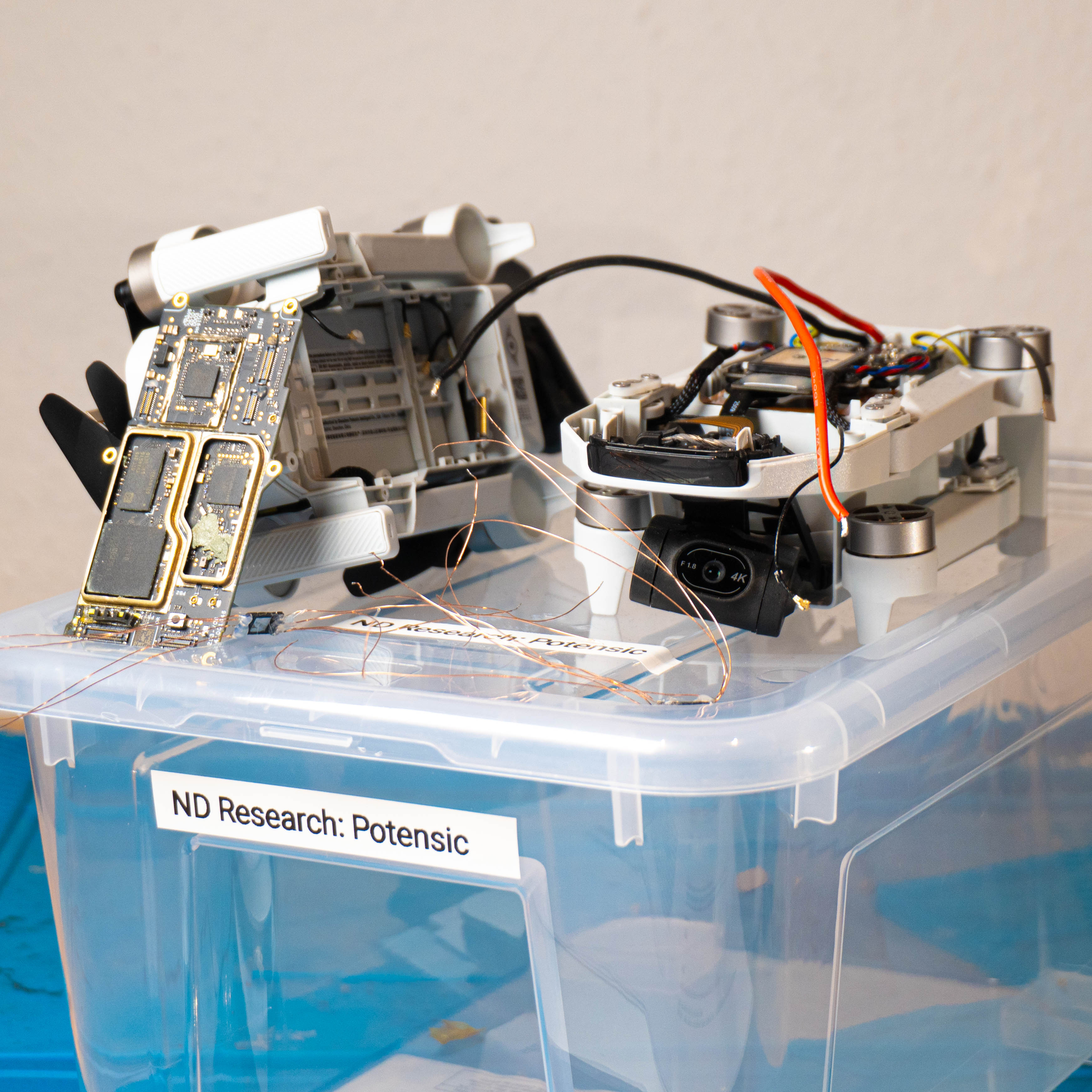
Hardware Security Analysis: Dumping Firmware and Bruteforcing ECC on Potensic Atom 2 Drone
Security researchers from Neodyme conducted hardware security research on the Potensic Atom 2 drone, documenting their process of desolderin
 neodyme.io·5mo ago
Decentralizing Cybersecurity: The Science of Ineffable Cryptography
The article discusses the flaws in current cybersecurity models, emphasizing the vulnerabilities of centralized authority. It introduces the
DEV Community·10mo agoComments
Sign in to join the conversation.
No comments yet. Be the first.