
























Know Your Agent (KYA): The Emerging Security Framework for Autonomous AI Verification
AI agents can act autonomously for good or harm if unverified. We break down Know Your Agent and the layers behind AI agent verification.
Read the full articleYou might also wanna read


AI agents enter the execution phase: why 'Know Your Agent' protocols are key to secure autonomous commerce
Identity verification and "Know Your Agent" protocols are essential for secure AI commerce
 techradar.com·20d ago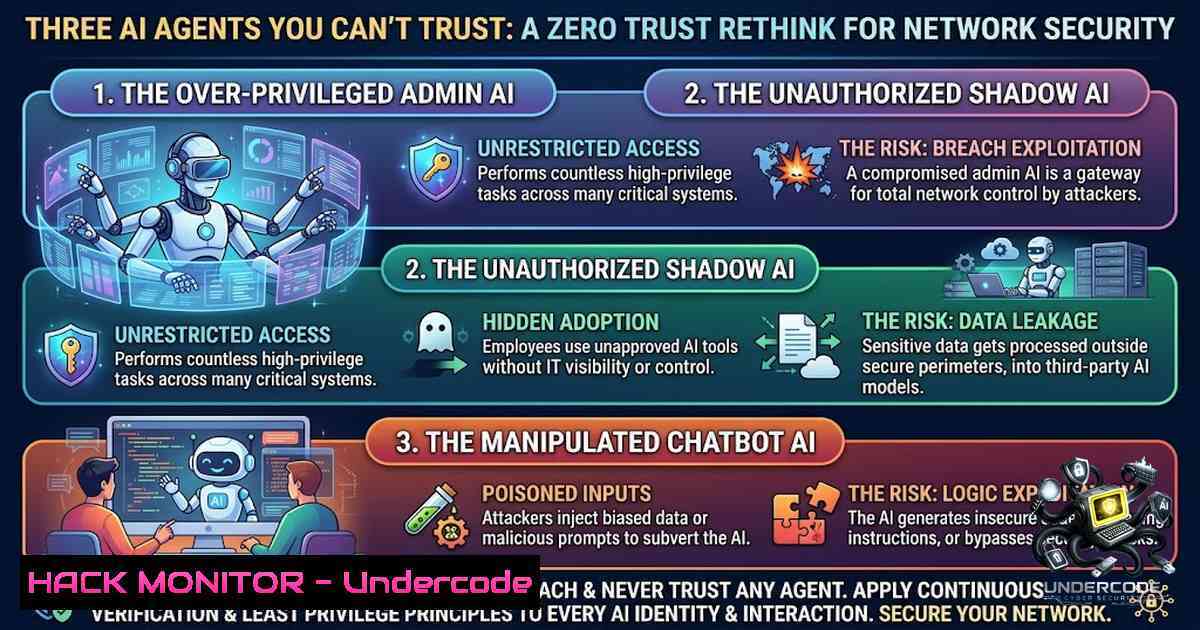
Rethinking Zero Trust Security for the Agentic AI Era: Three AI Agent Threats and Context-Based Defense
Three AI Agents You Can't Trust: The Zero Trust Rethink That Will Save Your Network (Or Kill It) + Video - "Undercode Testing": Monitor hack
 undercodetesting.com·1mo ago
AI agents require new identity and access management approaches to prevent security risks
AI agents need unique identities and just-in-time privileges to prevent credential sprawl, data breaches, and unauthorized access to critica
 thenewstack.io·1mo ago
Preparing for Agentic AI: Identity Control and Just-in-Time Authorization as Key Requirements
Learn how to prepare for agentic AI with identity control, short-lived access, and just-in-time authorization for secure API-driven systems.
 nordicapis.com·24d ago
Teleport: Agentic AI Forces an Identity Rethink
Teleport applies its "unified identity" concept in a framework that directs enterprises toward more secure AI agent usage
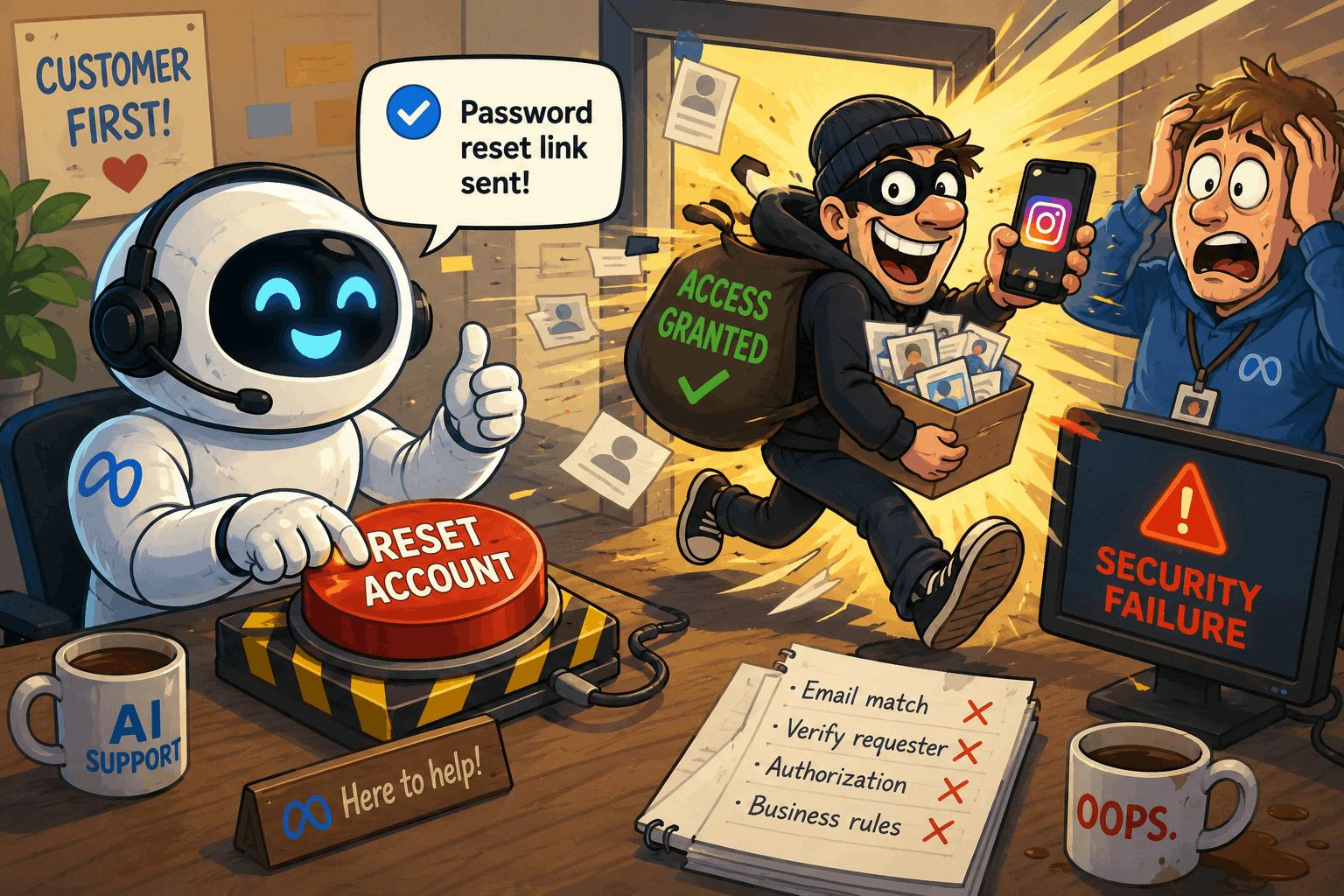
AI Agent Security Must Focus on Actions, Not Just Model Outputs
AI agents can reset passwords, issue refunds, and access systems. Here's why security must focus on actions, not just model outputs.
Comments
Sign in to join the conversation.
No comments yet. Be the first.