
























Friendly fire threatens Bolsonaro camp’s campaign
4h agopt
From the article
“It’s friendly fire,” Senator Rogério Marinho (Liberal Party, PL, Rio Grande do Norte) texted during a dinner, shortly after learning that Gazeta do Povo was about to publish a poll testing four possible alternatives to Senator Flávio Bolsonaro (PL of Rio de Janeiro). Alongside Marinho—who coordinates Flávio’s presidential campaign—the poll also included former first lady Michelle Bolsonaro, astronaut-turned-senator Marcos Pontes (PL of São Paulo), and Senator Damares Alves (Republicans of Federal District). Marinho rushed to assure the PL’s presidential hopeful that he’d had nothing to do with the poll. Damares, for her part, simply laughed it Arrest of Flávio Bolsonaro’s ally deepens campaign turmoil Liberal Party sets July 25 convention to nominate Flávio Bolsonaro Michelle-Flávio spat exposes internal realignment of Bolsonarism What started as Michelle airing the campaign’s dirty laundry has since spread—pulling in Federal District Governor and reelection candidate Celina Leão (Progressives Party, PP)—and grown into something bigger than a dispute over women’s spots on the PL’s state tickets. Damares has repeatedly tried to build bridges beyond Bolsonarismo. During this week’s vote on amendments to the Child and Adolescent Statute, she praised Workers’ Party (PT) Senator Fabiano Contarato (Espírito Santo), the bill’s rapporteur, calling it “an honor to be your partner and friend.” Michelle herself did something similar days earlier, hailing the Lula administration’s new national policy on deaf education as “the fulfillment of a dream.” What’s spreading here clearly isn’t warmth toward Lula—it’s provocation. Former Environment Minister Ricardo Salles (Novo of São Paulo), who’s vying with São Paulo State Assembly Speaker André do Prado (PL of São Paulo) for Bolsonarismo’s backing in the Senate race, didn’t mince words on social media about the campaign’s lack of agenda, message, organization, or planning: “Flávio’s campaign doesn’t exist.” The infighting has also laid bare the discomfort of federal lawmaker Zé Trovão (PL of Santa Catarina), who has publicly criticized Jair Bolsonaro for going silent before the 2023 inauguration—a silence he says helped fuel the January 8 riots, which led to more than 1,000 detentions, of which nearly 200 are still behind bars. Even PL president Valdemar Costa Neto has added to the confusion, floating the idea that Jair could leave house arrest to run for office—despite the legal, physical, and psychological hurdles standing in the former president’s way. But no rift has been more surprising than the one involving the PL candidate’s own brother. From the United States, where he remains a fugitive, former federal deputy Eduardo Bolsonaro has been working in lockstep with Paulo Figueiredo, the family’s chief liaison to the White House. Figueiredo is the grandson of the last ruler of Brazil’s military dictatorship (1964-1986). Figueiredo went so far as to file a memorandum with the Office of the U.S. Trade Representative (USTR) and get himself formally added to the public hearing docket—only to skip the hearing altogether. Days before that, Flávio had publicly pushed back on the idea that “women don’t know how to vote” and denied that Figueiredo had any role in his campaign. After the USTR hearing, the influencer turned around and criticized the campaign’s communications team over how it had framed the senator’s involvement in the event. It was pressure from Eduardo and Figueiredo—as laid out in the court case that convicted Eduardo of rallying Donald Trump against Brazil—that ultimately triggered the new tariffs. The rift traces back to their choice to put the principles of the transnational far-right movement ahead of what the Brazilian presidential campaign actually needed. As Marcos Nobre argues in “O Partido Digital Bolsonarista” (Cebrap, 2026), or “The Digital Bolsonaro Party,” infighting may actually be the essence of a political movement that has upended the usual rules of party loyalty, thriving instead on contradiction—much like its own base. Datafolha polling shows that more than a third of Flávio’s voters oppose civilian gun ownership, even as eight in 10 support trying juvenile offenders as adults. Such contradiction may work in Bolsonarismo’s favor with its base, but it doesn’t seem to land with the voters who back neither Lula nor Flávio—a bloc widely seen as pivotal in what’s shaping up to be a tight race. Both the polling, which shows Flávio losing ground with independents, and focus groups, which reveal growing frustration with his constant flip-flopping, point the same way. Turning discord into a political strategy also does nothing to fix the PL campaign’s real problems—chief among them, the collapse of its top candidacies in Rio de Janeiro, the birthplace of Bolsonarism itself. Former Governor Cláudio Castro dropped his Senate bid after becoming the target of two Federal Police investigations, and former Belford Roxo Mayor Márcio Canella, the party’s Senate hopeful, now looks headed for prison alongside former Rio de Janeiro State Assembly Speaker Rodrigo Bacellar—who, until then, had been considered the frontrunner among Bolsonaro-aligned candidates for governor. The PL now plans to base Flávio’s campaign headquarters in São Paulo, hoping votes from the other side of the Mantiqueira mountains can offset the damage in Rio. Still, the setback is a serious one—especially for a campaign built around a tough-on-crime message. Flávio Bolsonaro’s delay in naming Senate candidates in Rio has stoked speculation that he might run for Senate reelection instead, handing the presidential bid to someone else. So far, though, that idea hasn’t gained much traction within the campaign—it runs into the widely held view that such a move would look like surrender, something Bolsonarism can’t afford if it wants to stay politically viable heading into 2030, win or lose in October.
Continue reading on Extra OnlineYou might also wanna read
PGR pede que Flávio Bolsonaro seja ouvido por calúnia contra Lula
agenciabrasil.ebc.com.br·2d ago

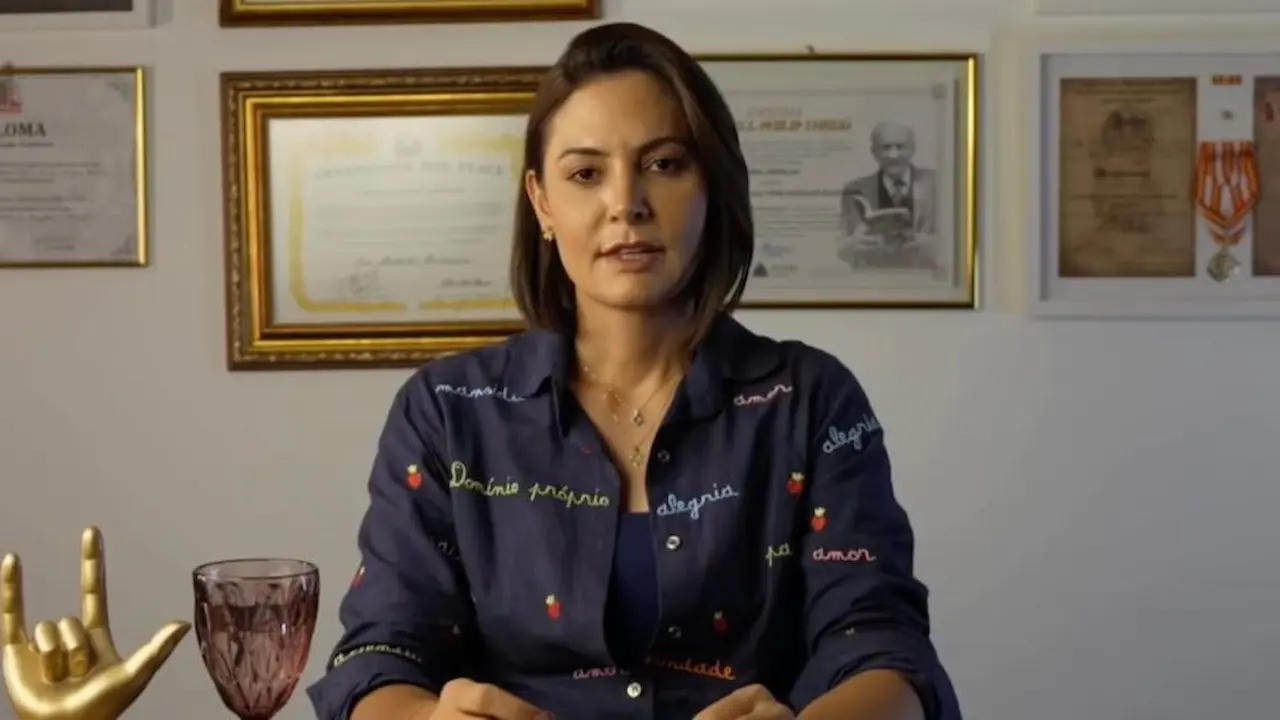
Michelle Bolsonaro expõe racha com Flávio Bolsonaro e relata humilhação por divergências políticas
Michelle Bolsonaro, ex-primeira-dama do Brasil, expôs publicamente um racha familiar e político com seu enteado, o senador Flávio Bolsonaro,
 diariocarioca.com·14d ago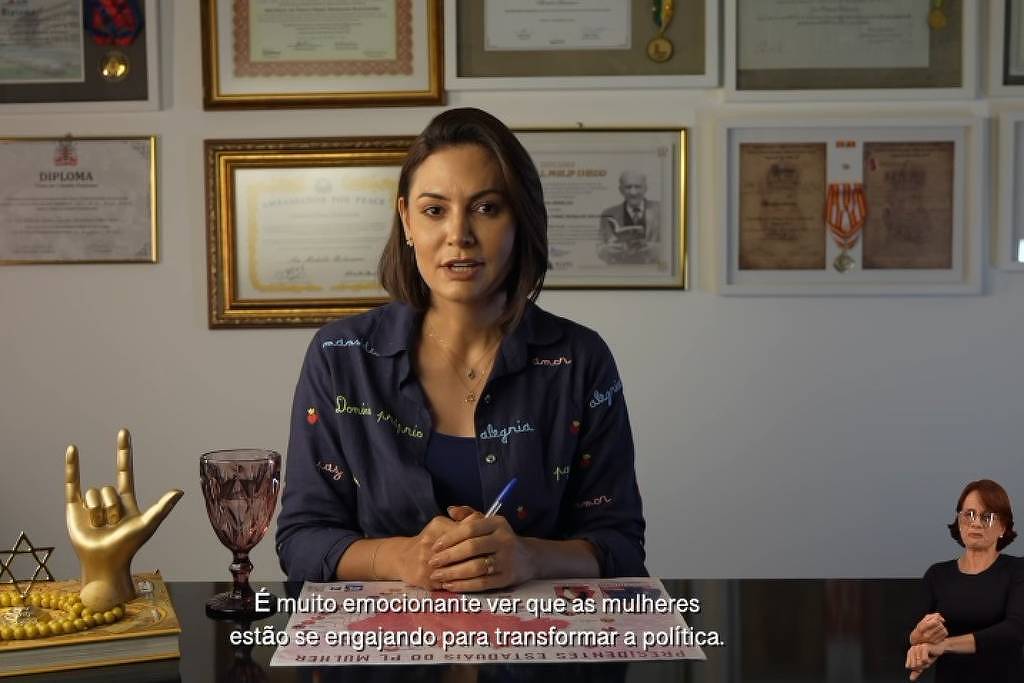
Aliados de Flávio Bolsonaro veem blefe em possível desistência de Michelle da candidatura ao Senado
Aliados do senador Flávio Bolsonaro consideram um blefe a sugestão de Michelle Bolsonaro de desistir da candidatura ao Senado. A ex-primeira
 www1.folha.uol.com.br·8d ago
PF faz buscas na casa de Jair Bolsonaro, mas não encontra novas armas
Tribuna Online·1d ago

Deputados do PSOL e Rede pedem que PGR investigue Flávio Bolsonaro por suposta ameaça à soberania nacional após lobby nos EUA
Sete deputados da confederação PSOL-Rede protocolaram um pedido na PGR para que investigue o senador Flávio Bolsonaro por atentado à soberan
www1.folha.uol.com.br·1mo agoMoraes dá 48h para que Exército entregue armas de Bolsonaro à PF
agenciabrasil.ebc.com.br·2d ago
Comments
Sign in to join the conversation.
No comments yet. Be the first.