
























Freedom of the media
From the article
This article belongs to Concepts of the digital society , a special section of Internet Policy Review guest-edited by Christian Katzenbach and Thomas Christian Bächle. Introduction Freedom of the media names the right and capacity of individuals and publics to seek, receive, and impart information and ideas through the media of their choice. In digital societies, this freedom is no longer secured only by protecting professional media institutions from state interference. It also depends on the conditions under which information is produced, distributed, curated, accessed, and made meaningful across platformised and algorithmically mediated environments. In reassessing key concepts of the digital society, including algorithmic governance, autonomous systems, transparency, and smart technologies (Katzenbach & Bächle, 2019), freedom of the media therefore requires renewed conceptual attention. This two-way freedom – the freedom to speak and the freedom to receive information – is encapsulated in the concept of freedom of expression, which serves as both the foundation and raison d’être of freedom of the media. Freedom of expression enables individuals to contribute to the public sphere and access a wide range of information and viewpoints, thereby underpinning media pluralism, media diversity, and access to information, all of which remain highly relevant in the digital context (Rozgonyi, 2024, p. 40). Freedom of expression is recognised as a universal and fundamental right under Article 19 of the Universal Declaration of Human Rights (UDHR, 1948) and the International Covenant on Civil and Political Rights (ICCPR, 1966). International human rights law protects the freedom “to seek, receive and impart information and ideas of all kinds, regardless of frontiers” through any media of one’s choice (ICCPR, 1966, Art. 19). Regional instruments adopted by organisations such as the Council of Europe (CoE), the Organization for Security and Co-operation in Europe (OSCE), the African Union, and the European Union further elaborate these protections in different constitutional and political contexts. Freedom of the media emerged historically from this broader protection of freedom of expression and freedom of information. It concerns the ability of individuals and publics to seek, receive, and impart mass information through media, while media freedom refers more specifically to the autonomy, independence, and pluralism of media institutions and journalistic actors (Richter, 2016). The two concepts overlap but should not be treated synonymously. Media institutions remain crucial enablers of freedom of expression because they facilitate the circulation, accessibility, and public visibility of information and ideas. Indeed, some researchers have treated “freedom of the media” as an alternative term for “freedom of expression” (Calderado & Dobreva, 2013, p. 11). Media are both content providers and disseminators: they offer channels through which speech can be expressed, received, and shared, whether in text-based forms such as the press, in audio-visual forms such as television, radio, and online broadcasting, or through newer digital formats. At the same time, digital communication environments increasingly blur the boundaries between institutional media actors and other communicative actors, raising new questions about who exercises media functions and under what conditions such functions merit normative protection. The concepts of “media freedom” and “freedom of the media” are often used interchangeably, while sometimes carrying different conceptual meanings. Both are inherently entangled with freedom of expression, epistemically and normatively. The epistemic relevance of “freedom of the media” is closely connected with the human rights-based approach to free speech and expression, which is to “see the basis of human autonomy as a good in itself” – in the Kantian fundamental notion of humans as ends in themselves rather than a means to an end (Tambini, 2021, p. 303). Normatively, “media freedom” is instrumental to freedom of expression, which can be approached as a means to ends “such as the search for truth and democracy and providing the platform for the self-expression of humans” (ibid.). As we argue below, these conceptual differences bear significant relevance in the digital context and for the realisation of freedom of expression in digital societies. The concept of freedom of the media addresses critical questions about the role of media as a societal institution in fostering knowledge (epistemic) and upholding democratic values (normative). Many media entities remain essential for epistemic equality in functioning democracies, ensuring that citizens have “equal access to all relevant information and knowledge necessary for informed will formation” (D’Arma et al., 2024, p. 4), and are capable of understanding and processing such information and knowledge. As an epistemic institution, media are also foundational to the “public sphere” (Habermas, 1962), where rational debate and consensus-building can occur. Normatively, this freedom is tied to democratic values of autonomy, equality, and justice, and to citizens’ ability to make individual, informed choices and express their political will – all crucial defining features of democracy (Dahl, 1998). In digital societies, the interplay between the epistemic and the normative is complex: the quality and trustworthiness of information affect the quality of informed, participatory citizenship and, thus, democracy. For instance, the prevalence of online disinformation and algorithmic manipulation may impact public knowledge epistemically and erode trust in democratic institutions normatively. However, the actual impact of these features on pluralism and democratic processes is still to be properly assessed and described beyond what some authors have called “moral panic” (Jungherr & Schroeder, 2021). Hence, the conceptualisation of freedom of the media must balance epistemic concerns – individuals’ access to accurate information and their ability to process such information – with normative ones, namely the protection of the media as a democratic institution (Dahlgren, 2001). With this ambit, our contribution addresses both angles, contextualises the origins and traditions regarding this freedom, analyses its contemporary use in various academic discourses, and deliberates its social, political, legal, and ethical relevance and value in digital societies. We provide arguments for defining freedom of the media as a systemic concept entangled with the affordances and capacities of digital media and its context, and propose a reconceptualisation that reflects both the epistemic and normative perspectives of citizens in digital societies. The paper first discusses the relevance of digitalisation to freedom of the media and its realisation as a human right and as a capacity and capability of social interaction. We then outline the conceptualisation of freedom of the media in the context of digital societies and the nuances and differences between media freedom and freedom of the media. Next, we delve into the promises of digitalisation in multiplying content production and freeing up previous scarcities of dissemination, such as the radiomagnetic spectrum, thereby expanding the freedom to impart and receive information, while also contrasting these promises with the hurdles, hardships, and bottlenecks hindering its enjoyment. In the context of the various features of freedom of the media in the digital public sphere, we discuss the opportunity for reconceptualisation and invite further discussion on the analytical value of the concept. Finally, we recommend an agenda for critical debate about the emerging – and conceptually meaningful – new era of free speech in democratic societies. While providing a predominantly Global North perspective, the article also recognises that freedom of the media belongs to universal human rights. 1. Freedom of the media or media freedom? Freedom of the media The idea of “freedom of the media” is among the overarching concepts that make sense of the current technological transformations leading to the digital society at large. It should, however, be distinguished from the narrower concept of “media freedom”. In this article, freedom of the media refers to the right and capacity of individuals and publics to seek, receive, and impart information and ideas through media of their choice, whereas media freedom refers more specifically to the institutional autonomy, independence, and pluralism of media organisations and journalistic actors. This distinction matters because digital technologies have changed not only how information circulates, but also who can perform media-like functions and under what conditions such functions become visible, accessible, or constrained. Moreover, digital technologies appear, perhaps for the first time in human history, to enable in practical terms the seeking, receiving, and imparting of information and ideas “regardless of frontiers”, as guaranteed in international law (UDHR, 1948, Art. 19; ICCPR, 1966, Art. 19). Yet this expansion is ambivalent: information may now reach audiences simultaneously and across borders through increasingly affordable means of communication, but such access remains uneven and is shaped by infrastructures, platforms, markets, and forms of control that also condition who can respond, be heard, or participate meaningfully. Starting in the late twentieth century, the digital “media revolution” led to a rapid demise of analogue media and the appearance and proliferation of digital technologies, platforms, and dissemination systems, as well as to tectonic shifts in the understanding of what “media” is. Jakubowicz (2011) developed, and the Council of Europe (2011) detailed and approved, certain criteria that permit the delineation of media from other voices, taking into account technological – particularly digitisation and convergence – as well as social and cultural changes in the field. Summarised, these criteria are: 1) purpose: to produce, aggregate, renew, update, or disseminate media content; 2) editorial policy, control, and process; 3) intent to act as media; 4) commitment to relevant professional standards; 5) outreach and dissemination; and 6) public expectation (Jakubowicz, 2011; Council of Europe, 2011). These six criteria were designed specifically to allow policymakers to identify media and media activities in the new ecosystem: “The extent to which criteria are met will permit to recognise whether a new communication service amounts to media or will provide an indication of the bearing of intermediary or auxiliary activity on media services” (Council of Europe, 2011, n.p.). This normative standard on the “new notion of the media” has generally withstood this period of transformation and has become a conceptual benchmark in academic discussions. Importantly, however, these criteria are not merely exclusionary or classificatory. They also provide an analytical framework for assessing the extent to which different actors perform media-like functions and shape public communication. This is particularly relevant in digital societies, where platform providers, influencers, podcasters, citizen communicators, and AI-driven services increasingly participate in processes of visibility, dissemination, agenda-setting, and public discourse traditionally associated with institutional media. Inspired by Jakubowicz (2011), the discourse has centred on the rapid development of information and communication technologies (ICTs), using new terms relating to freedom of the media, such as “new media”, “social media”, and “streaming media”, reflecting the evolving infrastructures through which communication and social meaning are mediated (Couldry & Hepp, 2023). Importantly, these transformative changes have also complicated the ideal of the free and unrestricted public sphere where rational discourse could unfold (Habermas, 1989) and shifted the boundaries of the open and closed terrains of speech in society (Price, 1995). In essence, the boundaries of what constitutes “media” are best understood as functional rather than purely institutional. Following the six criteria, the decisive factors are the actor’s intent, editorial process, accountability mechanisms, and contribution to the public sphere. Influencers, bloggers, podcasters, platforms, or AI-driven content providers may therefore become relevant to freedom of the media in different ways. Some may qualify as media actors where they perform communicative functions that serve public discourse, exercise editorial responsibility, and adhere to professional or ethical standards. Others may fall more directly under the broader protection of freedom of expression, while still shaping the conditions under which freedom of the media is exercised. Even where such actors do not qualify as “media” in the institutional sense, they remain analytically central because they increasingly govern visibility, dissemination, discoverability, and participation in public communication. Where editorial accountability, transparency, or human oversight are absent – for example, in fully automated content generation – claims to normative media protections become more difficult to sustain. This functional approach enables the concept to evolve with technological change while maintaining its democratic rationale. While both “media freedom” and “freedom of the media” are widely used terms, the literature defines them from various angles and often does not keep them strictly apart. On the one hand, “freedom of the media” can be understood as an integral part of individual human rights, and this approach has intensified with the rise of digital society. Inasmuch as “freedom of information” is not about the right of information itself to be free, but rather about the right of everyone to seek, receive, and impart information freely, and just as the right of peaceful assembly does not belong to an “assembly” or freedom of association to an “association”, freedom of the media is not designed for the media, or only for the media, but for everyone. For many decades, this human right meant that everyone could freely access the mass media of their choice, become a journalist – journalism remaining a free profession or activity – set up a media outlet without arbitrary and unnecessary bureaucratic hurdles, and have a right to reply in the media. The digital turn in communication and technological advancement further allows individuals and groups to start a medium, enter the media market, provide media content, gain an audience of followers, and bid for a share of advertising expenditure. It also makes the infrastructural conditions of communication central to the exercise of this freedom: access to transmission, distribution, hosting, search, recommendation, and platform infrastructures increasingly determines whether media content can actually reach publics. Therefore, it is no wonder that the European Union considers respect for media freedom and pluralism as fundamental rights (EU Charter of Fundamental Rights, 2012, Article 11). One can argue whether these rights also belong to companies or governments (Helberger & Schulz, 2022), but they certainly mean that individuals are entitled to hold them. International law suggests that free expression “carries with it special duties and responsibilities. It may, therefore, be subject to certain restrictions, but these shall only be such as are provided by law and are necessary: (a) for respect of the rights or reputations of others; (b) for the protection of national security or of public order (ordre public), or of public health or morals” (ICCPR, 1966, Art. 19). These duties and responsibilities also shape the understanding of freedom of the media, particularly where media actors claim enhanced protections because of their democratic and public-interest functions. Generally speaking, governments have utilised the possibility of restricting this freedom through broad interpretations of these legitimate grounds. Such restrictions have therefore become part of the universal understanding and practical contestation of freedom of the media. Media freedom On the other hand, the term “media freedom” is more commonly used to denote the freedom, independence, and plurality of news media institutions, including the production, publication, and dissemination of journalistic content across different media and platforms. An independent, pluralistic, and free press is widely regarded as essential to the development and maintenance of democracy, as well as to broader social and economic development. In its commentary, the United Nations Human Rights Committee (UNHRC) recognised that “a free, uncensored and unhindered press or other media is essential in any society to ensure freedom of opinion and expression” and the enjoyment of other rights (UNHRC, 2011). Undoubtedly, free media constitute one of the cornerstones of a democratic society. Their role is therefore to inform the public and comment on public affairs without censorship or restraint. At the same time, “the public also has a corresponding right to receive media output” (UNHRC, 2011, para. 13). Hence, the main pillars of media freedom are press freedom, pluralism, editorial independence, and the safety of journalists, including its gendered labour dimensions (Posetti et al., 2022). While earlier definitions focused primarily on freedom from government control (Becker & Vlad, 2011, p. 24), political scientists and mass communication scholars pointed early on to the distinction between the “negative” character of these rights – freedom from legal controls such as censorship and unjustified restrictions – and their “positive” character, namely the ability of individuals to access and use media content freely (Picard, 1985; McQuail, 2009; Kenyon, 2021). These positive and negative dimensions mirror similar understandings of freedom of expression more broadly (Gibbons, 2012, pp. 19–20). Therefore, media outlets, as institutions that facilitate freedom of expression, are also granted certain rights and additional protections (Freedman, 2008, p. 55; Nordenstreng, 2013, p. 47). In particular, legal scholars have argued for “institutional media freedom”, referring to media organisations as legal entities with specific rights, privileges, and responsibilities, as opposed to an “individual media freedom” applied to anyone using and producing media. As a result, media freedom “grants protection to persons or companies categorised as ‘media’ that goes beyond freedom of expression protection afforded to private individuals or non-media entities” (Oster, 2013, p. 58). In digital societies, this institutional dimension increasingly also concerns the infrastructural conditions upon which media actors depend, including distribution systems, search engines, recommendation systems, app stores, and platform governance arrangements. In this regard, Helberger (2026, p. 7) argues that “editorial responsibility and core journalistic values must extend to technology choices and to the principles guiding responsible procurement.” Consequently, the rights granted to news outlets and media companies are associated with their role in facilitating communication and public dialogue. Traditionally, this has also been linked to fair reporting and the exercise of journalistic professional and ethical standards, such as transparency and fact-checking. In return for their democratic service to the public, media outlets have obtained public policy benefits, including tax breaks and subsidies, while media professionals (journalists) have been afforded greater protections and privileges “compared to that offered to non-media actors by freedom of expression” (Coe, 2017). Media freedom retains significance despite the declining centrality of traditional media institutions such as the press and broadcasting in public communication. In a historically significant development, former media audiences – the public – have assumed a far more active role, often exercising editorial control over the production and circulation of media content, including news, while also claiming their own right to freedom of the media. In response, the legal notion of the “journalist” has evolved and increasingly reflects the blurring boundaries regarding who may be entitled to journalistic privileges. Similarly, the traditional role of the media as a public “watchdog” holding power to account is now often assumed by active citizens in digital societies acting in the public interest. Social media posts and hashtags have become accepted expressions of public opinion and vox populi . Theorising about how ordinary people may participate more actively in creating an informed public sphere through communication, Usher (2025, p. 40) introduces the concepts of “communicative citizenship” and the “citizen communicator”, defined as “a facilitator of the flow of reliable civic information from institutions to their fellow community members”. A broad range of actors – including civic activists, grassroots media, influencers, and other digital communicators – now exercise forms of agenda-setting power traditionally associated with institutional media (Berg & Hofmann, 2021). Consequently, the subjects and beneficiaries of media freedom are becoming less formalised and less institutionalised actors in the public arena, while increasingly claiming normative and epistemic recognition. They also call for adjusted rights and protections that place greater emphasis on individual communicative freedoms. These developments have reopened fundamental questions concerning both the legal protection and conceptualisation of freedom of the media: who should be protected, by whom, and what type of freedom should be guaranteed? In response, the legal notion of the “journalist” has expanded to encompass anyone who regularly or professionally gathers and disseminates information to the public via any means of mass communication (UNHRC, 2011). Legal protections Discussions on freedom of the media received significant impetus with the adoption, in 2024, of the European Media Freedom Act (EMFA). Obligatory for the member states of the European Union, it has a policy spill-over effect beyond its borders and provides uniform minimum legal standards to maintain editorial independence, protect journalistic sources, ensure the independent functioning of public service media, enhance transparency of media ownership, and safeguard media against unjustified online content removal by very large online platforms – all considered vital for media freedom. The EMFA therefore serves as an important contemporary illustration of the institutional media-freedom dimension within the broader concept of freedom of the media. With regard to the degree of protection afforded to different types of content, the EMFA refers to the right of the public “to access quality media services which have been produced by journalists in an independent manner and in line with ethical and journalistic standards and which, therefore, provide trustworthy information” (EMFA, 2024, recital 14). These “quality media services” thus receive heightened protection in Europe. By contrast, less protection is given to “rogue media services” that may harm democratic processes, including foreign propaganda and political disinformation. Such “rogue media” may be seen to “pose a serious and grave risk to public security” and may therefore be subject to “special economic measures” or sanctions (EMFA, 2024, Arts. 3, 17). Speaking of the degree of protection afforded to different types of content in the jurisprudence of the European Court of Human Rights (ECtHR), Coe (2017, p. 47) argues that “the predominant purpose of freedom of expression is to protect the right of citizens to understand political matters in order to facilitate and enable societal engagement with the political and democratic process.” He therefore proposes the following hierarchy of speech types that should enjoy enhanced protection under European human rights law, see Table 1 (Coe, 2017, pp. 49–50; Coe, 2015, p. 20). This typology is also relevant to different levels of protection afforded to media content. Table 1: Degrees of protection afforded to different types of speech in European human rights jurisprudence. Degree of protection Types of speech/content Most protection Political expression or public discussion: the free exchange of information and ideas on matters relevant to the economic, social, and political life of a country, regarded as crucial to democracy. Intermediate protection Artistic expression Commercial expression Less protection Celebrity gossip, speech relating to private or intimate matters Pornography Little, if any, protection Gratuitous personal attacks Hate speech It is important to note that distinctions between different categories of legal speech constitute a highly complex matter and may lead to allegations of state promotion of certain forms of “politically correct” speech or the demotion of others, for example, in the context of so-called “anti-woke” policies. In this regard, the EMFA reconfirms respect for ethical and professional standards as one criterion (CoE, 2011) for recognising and protecting speech as authentic media activity. At the same time, outsourcing media functions to increasingly broad groups of digital “prosumers” – individuals who simultaneously consume and produce content – raises difficult questions concerning the regulability, oversight, and accountability of media activities. It has also contributed to emerging normative divisions in Europe between what are regarded as legitimate “quality media services” and allegedly harmful or “rogue media service providers” (Barata, 2024a, p. 1). Such distinctions may come into tension with demands for the right to access and use diverse media content free from both governmental interference and from privately ordered restrictions, as envisaged in international human rights instruments and conventions. This normative reconsideration is also aligned with growing concerns about epistemic inequalities, since “citizens are not equally informed and do not share the same level of knowledge about the consequences of their choices” (Nieminen, 2024, p. 23). Today, freedom of the media also requires protection of a different kind. While media freedom has traditionally been safeguarded primarily against governmental interference, the public sphere is now increasingly governed by private actors – intermediaries, platforms, and similar services – that determine the conditions under which freedom of expression and access to information are exercised through their infrastructures. Content moderation and curation, as well as algorithmic control over dissemination on social media platforms, have raised significant concerns about the overwhelming volume of information to which citizens are exposed. The often-cited, though contested, “filter bubble” phenomenon has been described as a consequence of individualised algorithmic filtering that may lead to intellectual isolation and social fragmentation (Pariser, 2011). However, there is no straightforward evidence that assumes online echo chambers necessarily limit exposure to democratic information such as news (Borgesius et al., 2016). At the same time, concerns regarding automated forms of private censorship (Pirkova et al., 2021) have prompted calls for normative responses concerning platform regulation, algorithmic transparency, and scrutiny vis-à-vis the “Custodians of the Internet” (Gillespie, 2018). Similarly, users’ exposure to different content sources and types (Napoli, 2011; Helberger et al., 2018) has prompted conceptual reconsideration of how to ensure viewpoint diversity and, to some extent, the promotion of public-value content to audiences (Mazzoli, 2020; Mazzoli & Tambini, 2020). Discoverability, prioritisation, and prominence of media content have thus become core issues of media freedom (Rozgonyi, 2023), carrying significant epistemic relevance. The distinction between media freedom, as an institutional right, and freedom of the media, as a human and individual right, has both normative and epistemic consequences. What they share is the core, or raison d’être , of protected freedom: political speech on matters of public interest or concern. In the media context, the brunt of such speech remains journalistic content. The underlying normative vision of media as a public “watchdog” holding power to account is also retained, although it has recently been challenged (Carroll, 2025, pp. 120–122). However, the notions of both “media” and the “journalist” – central subjects of these freedoms – have undergone fundamental transformations. Similarly, the scope of freedom itself, including from whom and against what protection is required, calls for reconsideration. Alongside rights and privileges, freedom of the media also entails corresponding duties and responsibilities. Media actors are expected to uphold ethical, professional, and public-interest standards that justify the special legal protections associated with journalistic activity. These obligations form part of what has been described as the “social contract” between media and democracy: by exercising editorial freedom responsibly, media actors contribute to informed public debate and the protection of the rights of others. In the digital sphere, these responsibilities are increasingly shared across an expanding communicative ecosystem that includes legacy media, public service media, independent journalists, platforms, influencers, and other digital intermediaries. Adherence to transparency, accountability, and ethical self-regulation, therefore, remains an important criterion for distinguishing actors who perform a democratic media function from those primarily pursuing commercial, strategic, or manipulative objectives. Recognising this normative balance helps clarify when and why particular actors may merit the enhanced protections associated with media freedom. Importantly, in digital societies, the pursuit of this freedom involves inherent tensions. Expanding access and participation may strengthen epistemic equality while simultaneously amplifying risks of epistemic domination by a limited number of actors controlling digital infrastructures. Balancing institutional autonomy, market dynamics, and individual rights, therefore, requires acknowledging that freedom of the media is shaped by persistent structural frictions and asymmetries. The same technological systems that democratise communication may also consolidate informational and infrastructural power. Addressing these contradictions calls for continuous recalibration between protecting freedom from interference and enabling freedom through equitable epistemic conditions (Majcher, 2025; D’Arma et al., 2024). 2. Platformisation, epistemic power, and the changing conditions of freedom of the media The digitalisation of communication has fundamentally transformed social interaction. Content production is no longer the privilege of professionals; it is a constant reality of media users and producers as “prosumers”. Digital media also provide infrastructures for communities and networks, enabling creation, collaboration, connection, self-representation, sharing, and interaction at scale, tapping into digital societies’ technological capacities and networked structures (Lindgren, 2022). These changes have altered the traditional modus operandi of both receiving and imparting information, and thus the processes through which transfrontier freedom of expression is exercised. Early optimism about the “digital revolution” associated its decentralising, globalising, harmonising, and empowering qualities with the hope of bringing more freedom through democratised communication, freeing up channels of distribution and weakening the privileged position of professional content makers, such as news media outlets (Negroponte, 1995). Meanwhile, a new type of actor – online intermediaries, including social media platforms – emerged in dissemination and distribution processes with significant and increasing power over media and expression (Klonick, 2018). They play a prominent role in ensuring the “visibility” of content produced by traditional media, which also use intermediary services to reach their audiences. In politically restrictive contexts, where traditional media are strictly controlled privately or by the state, intermediaries may still enable individual and dissenting content creators to disseminate opinions, ideas, and information directly, without the intermediation of media establishments, and may provide visibility to social media movements or protests (Tufekci, 2017). While differences between intermediaries and media entities remain significant, particularly with regard to editorial control and liability for content, platforms govern news distribution and digital advertising and exercise power vis-à-vis media outlets (Nielsen & Ganter, 2022). For news media, digital distribution platforms have become important, often unavoidable, channels to meet changing audience expectations while negotiating revenues from tech platforms for content licensing (Newman, 2023). Hence, the realisation of freedom of the media increasingly depends on digital dissemination channels, social media platforms, and other media service providers. These intermediaries, the new “content controllers”, can assume gatekeeping functions and steer opinions and views in digital societies (Helberger, 2020) through algorithmic processes of prioritising, downgrading, labelling, and evaluating content, usually referred to as content moderation and curation. In digital societies, the instruments of media control have changed. In the past, such control was often exercised through public institutions and regulators, which in democratic contexts gradually transformed from instruments of governmental control into bodies more formally independent from political and business interests. Today, forms of control over media content are increasingly delegated to, or shared with, private actors, including with regard to generally lawful content. In cases involving sensitive speech, these developments are sometimes described as forms of private censorship or as the outsourcing of public functions to private entities, effectively transferring certain gatekeeping functions traditionally associated with editors to digital intermediaries. In response, platforms and other intermediaries have developed sophisticated systems of content governance and moderation intended to address regulatory, commercial, and societal pressures and to enhance strategic narratives with the goal of “manufacturing legitimacy” (Price & Price, 2023). At the same time, these developments have raised concerns regarding the expanding discretionary power and legal responsibilities exercised by private actors over public communication. This growing ability and capacity of platforms has reshaped the media’s democratic mission and raised serious concerns about platform power in democracies (Napoli, 2019; Helberger, 2018). These intermediaries exercise what recent scholarship describes as epistemic power – the capacity to control information flows, shape knowledge production, and influence what citizens know or believe (Majcher, 2025). By curating content through often opaque algorithmic systems, platforms and AI operators increasingly function as epistemic institutions capable of both enabling and constraining individuals’ epistemic agency. Their “power over” digital knowledge ecosystems may distort the symmetry of public communication, while their “power to” facilitate information exchange could, if exercised responsibly, enhance epistemic welfare (Majcher, 2023; Hyzen et al., 2025). Recognising this dual nature of epistemic power is essential for developing governance frameworks that promote empowerment rather than domination in the digital public sphere. Consequently, in the new terrain of digital speech, it is increasingly debated how existing media regulation and journalistic protections should be enforced, against whom they should apply, to what extent self-regulation and ethical standards remain distinctive features of media and journalistic activity, and what forms of “duty of care” might correspondingly be imposed on intermediaries. Constraints on freedom may arise not only from state regulation, but also from privately negotiated policies and contractual arrangements, such as the content moderation practices of large social media platforms (Barata & Calvet Bademunt, 2023). Since most social media spaces are privately managed services, platforms have developed their own rules – usually in the form of terms of service or community standards – while also collecting, generating, retaining, and processing extensive amounts of user data. At the same time, there remains a clear distinction between the relationship platforms maintain with users – whether individuals or media companies – and the traditional editorial responsibility and liability of media organisations and journalists using social media as distribution infrastructures. Yet these complex and sometimes contradictory interactions make intermediaries and social media spaces particularly difficult to regulate for democratic public purposes, including the protection of freedom of the media. Equally important is the possible use by states of informal pressure or influence – commonly referred to as “jawboning” – to encourage platforms to enforce their private rules in specific ways (Leerssen, 2024). Social media provides unprecedented opportunities for different types of media actors to reach wider audiences and interact directly with users. In this sense, they may strengthen especially the individual dimension of freedom of the media by lowering barriers to participation, visibility, and dissemination. At the same time, the multiplication of speakers and the prioritisation of some forms of content over others through algorithmic systems illustrate how freedom of expression increasingly interacts – and must be balanced – with other fundamental rights and interests, including privacy, dignity, equality, and non-discrimination. Social media may also amplify unprofessional, unethical, harmful, or manipulative forms of communication. Intermediaries’ interventions in content governance have therefore opened new discussions – and perhaps new paradigms – concerning the concepts and instruments necessary to protect freedom of the media in digital societies. Ultimately, its future depends not only on state policies regarding content regulation in areas such as defamation or hate speech, but also on how legislators and regulators frame the role of intermediaries and how a broad range of non-state actors adapt to new modes of speech governance, often exercised at scale (Barata, 2024b, p. 2). The consequences of the digital turn for freedom of the media have placed democratic communication under significant strain. Digital information overload and abundance (Lewandowsky & Pomerantsev, 2022), the increasing capacity of authoritarian states to control online information in order to remain in power (Freedom House, 2025), and the disruption of the media’s business model to the detriment of its democratic role (Newman et al., 2024) have raised serious concerns about the overall impact of these transformations. The capacity of media to act as a fourth pillar of democracy is increasingly conditioned by platform power, which may also be instrumentalised for indirect regulation by governments. At the same time, the active role of users and audiences in seeking, selecting, sharing, and interpreting content through diverse platforms and distribution services should not be dismissed. The media’s distinguished role in organising democratic speech is therefore evolving along with the changing hierarchy of news sources in the digital context. Media institutions – including those with a specific public mandate, such as public service media – are now, more than ever, one speaker among many. These transformative processes affect the normative legitimacy and appropriateness of existing legal and policy privileges for media actors. They also force existing media structures to reflect on their capacity to act as epistemic institutions in digital societies and on the transformations necessary to sustain that role. Conclusion Let us revisit the three central questions that structured our inquiry: whose freedom is at stake in digital societies, what freedom is being protected, and by whom this protection is – or should be – guaranteed. Returning to these interlinked questions helps consolidate the conceptual and empirical discussions developed throughout the article, connecting the systemic and epistemic dimensions of freedom of the media with the normative and institutional challenges of its realisation in the digital age. As we have argued, freedom of the media should be understood as broader than media freedom. While media freedom refers primarily to the institutional autonomy, independence, and pluralism of media organisations and journalistic actors, freedom of the media captures the wider right and capacity of individuals and publics to seek, receive, impart, and make sense of information through media and media-like infrastructures. This distinction becomes increasingly important in digital societies, where platforms, intermediaries, influencers, citizen communicators, and AI-driven systems shape the conditions under which public communication takes place. Conceptualising freedom of the media in digital societies nevertheless requires both continuity and adaptation. This is not the first time technological transformations have challenged regulatory frameworks governing expression and public communication. Yet the pace and scale of digital change increasingly test the assumptions upon which earlier institutional and legal arrangements were built. As a result, protecting the values embedded in international human rights frameworks, including the ICCPR, requires not only institutional adjustment but also renewed conceptual vocabularies capable of addressing platformised, algorithmically mediated, and globally networked communication environments. As we have shown, not only has the realisation of this freedom in digital communication transformed profoundly, but so too have the concepts of “media” and their “freedom”. The beneficiaries of this freedom increasingly include users, “prosumers”, citizen communicators, and other actors who were once regarded primarily as passive audiences. In this context, it becomes more appropriate to speak of “freedom of the media” rather than only “media freedom”. Changing patterns of media consumption and participation challenge the traditional rationale for specific protections and privileges associated with institutional media actors. Younger and highly platform-dependent publics increasingly encounter news and public affairs through social media, search engines, messaging applications, and recommendation systems rather than through direct engagement with traditional media institutions. At the same time, digital intermediaries and platforms have assumed distinctive power over the visibility, prioritisation, and dissemination of information. As Nieminen (2024, p. 13) argues, “the power of bottleneck controllers, who regulate our supply of daily information, knowledge, and truths, is greater than ever.” Certainly, traditional media institutions have always exercised forms of agenda-setting and gatekeeping power. What is distinctive in the digital turn, however, is the infrastructural and algorithmic character of this power, exercised at a global scale by private actors that govern the visibility, discoverability, amplification, and circulation of speech across entire communicative ecosystems. Intermediaries – especially social media platforms – are therefore simultaneously in a position to facilitate and constrain the freedom to seek, receive, and impart information. Against this background, the questions of whose freedom is at stake, what lies at the core of this freedom, and how it should be protected require continuous reconsideration. Consequently, one of the central challenges for legislators and regulators is to ensure that contemporary gatekeeping processes incorporate human rights safeguards and remain internally and externally accountable, particularly in cases involving potentially harmful but lawful speech and the risks of under- or over-blocking content. Regulatory approaches should therefore prioritise transparency, due process, and accountability in both public and private systems of speech governance. At the same time, caution is required against granting public authorities overly broad powers to define and sanction “bad”, “morally wrong”, or otherwise “incorrect” speech beyond the strict limitations permitted under international human rights law. In operational terms, a systemic understanding of freedom of the media also requires embedding epistemic safeguards into governance design. This means moving beyond traditional content regulation toward mechanisms that preserve citizens’ epistemic agency – their ability to access, interpret, and act upon knowledge (D’Arma et al., 2024). Governance mechanisms such as algorithmic auditability, participatory oversight, and disclosure obligations may help align institutional accountability with broader human rights and epistemic welfare objectives (Hyzen et al., 2025). We therefore argue that, in digital societies, freedom of the media should be understood as the right and capacity of individuals and publics to seek, receive, impart, discuss, and exchange information and ideas on matters of public interest through media and media-like infrastructures. Facilitated by technological means, this freedom enables participation in public dialogue and democratic life. At the same time, individuals, as members of epistemic communities, should be able to access and exchange information without undue restrictions, while remaining protected against forms of domination arising from concentrated informational and infrastructural power. Protecting freedom of the media, therefore, requires not only institutional media independence but also transparent, accountable, and human-rights-based communicative environments capable of sustaining democratic participation and epistemic equality in digital societies. Post Scriptum Professor Monroe Price, one of the paper’s authors, passed away 16 March 2026. He was our elder friend and mentor for several decades. Remarkably, he bonded us with the ideas of freedom of the media and its interpretation in the modern world. Grateful, we therefore dedicate our concept paper to him. AR, KR, JB. References Barata, J. M. (2024a). The future of free speech: Old threats and new challenges (SSRN Scholarly Paper No. 4982214). Social Science Research Network. Barata, J. M. (2024b, June 14). Will the EMFA improve freedom of expression, media pluralism, and media independence in Europe? MediaLaws . Barata, J. M., & Calvet-Bademunt, J. (2023, October 30). The European Commission’s approach to DSA systemic risk is concerning for freedom of expression. Tech Policy Press . Becker, L. B., & Tudor, V. (2011). The conceptualization and operationalization of country-level measures of media freedom. In M. E. Price, S. Abbott, & L. Morgan (Eds), Measures of Press Freedom and Media Contributions to Development . Berg, S., & Hofmann, J. (2021). Digital democracy. Internet Policy Review , 10 (4). Borgesius, F. J. Z., Trilling, D., Möller, J., Bodó, B., Vreese, C. de, & Helberger, N. (2016). Should we worry about filter bubbles? Internet Policy Review . Calderaro, A., & Dobreva, A. (2013). Framing and measuring media freedom and pluralism across social and political contexts (European Union Competencies in Respect of Media Pluralism and Media Freedom). Centre for Media Pluralism and Media Freedom (CMPF). Carroll, E. C. (2025). Press benefits and the public imagination. In R. Andersen Jones & S. R. West (Eds), The Future of Press Freedom: Democracy, Law, and the News in Changing Times (pp. 116–127). Cambridge University Press. Charter of Fundamental Rights of the European Union, 326 OJ C (2012). Coe, P. (2015). The social media paradox: An intersection with freedom of expression and the criminal law. Information & Communications Technology Law , 24 (1), 16–40. Coe, P. (2017). Redefining ‘media’ using a ‘media-as-a-constitutional-component’ concept: An evaluation of the need for the European Court of Human Rights to alter its understanding of ‘media’ within a new media landscape. Legal Studies , 37 (1), 25–53. Couldry, N., & Hepp, A. (2016). The mediated construction of reality . Polity. Dahl, R. A. (1998). On democracy . Yale University Press. Dahlgren, P. (2011). The transformation of democracy? In B. Axford & R. Huggins (Eds), The Transformation of Democracy? (pp. 64–88). SAGE Publications Ltd,. D’Arma, A., Aslama Horowitz, M., Lehtisaari, K., & Nieminen, H. (2024). Introduction: The epistemic turn. In M. Aslama Horowitz, H. Nieminen, K. Lehtisaari, & A. D’Arma (Eds), Epistemic Rights in the Era of Digital Disruption (pp. 3–9). Springer International Publishing. Freedman, D. (2008). The politics of media policy . Polity. Freedom House. (2025). An uncertain future for the global internet . Gibbons, T. (2012). Free speech, communication and the state. In Freedom of Expression and the Media (pp. 19–43). Brill Nijhoff. Gillespie, T. (2018). Custodians of the internet: Platforms, content moderation, and the hidden decisions that shape social media . Yale University Press,. Habermas, J. (1962). Strukturwandel der Öffentlichkeit: Untersuchungen zu einer Kategorie der bürgerlichen Gesellschaft . Luchterhand. Habermas, J. (1989). The structural transformation of the public sphere: An inquiry into a category of bourgeois society (T. Burger, Trans.). MIT Press. Helberger, N. (2018). Challenging diversity—Social media platforms and a new conception of media diversity. In Digital Dominance -The Power of Google, Amazon, Facebook, and Apple (pp. 153–175). New York, NYOxford University Press97801908451179780190845124. Helberger, N. (2020). The political power of platforms: How current attempts to regulate misinformation amplify opinion power. Digital Journalism , 0 (0), 1–13. Helberger, N. (2026). Infrastructures of media freedom: Expanding journalism’s ethical horizon. Digital Journalism , 0 (0), 1–11. Helberger, N., Karppinen, K., & D’Acunto, L. (2018). Exposure diversity as a design principle for recommender systems. Information, Communication & Society , 21 (2), 191–207. Helberger, N., & Schulz, W. (2022, June 10). Understandable, but still wrong: How freedom of communication suffers in the zeal for sanctions. Media@LSE . Hyzen, A., Van den Bulck, H., Puppis, M., Kulig, M., & Paulussen, S. (2025). Epistemic welfare and algorithmic recommender systems: Overcoming the epistemic crisis in the digitalized public sphere. Communication Theory . ICCPR (International Covenant on Civil and Political Rights), General Assembly resolution 2200A (XXI) (1966). Jakubowicz, K. (2011). Media revolution in Europe: Ahead of the curve . Council of Europe. Jungherr, A., & Schroeder, R. (2021). Disinformation and the structural transformations of the public arena: Addressing the actual challenges to democracy. Social Media + Society , 7 (1), 2056305121988928. Katzenbach, C., & Bächle, T. (2019). Defining concepts of the digital society. Internet Policy Review , 8 (4). Kenyon, A. T. (2021). Democracy of expression: Positive free speech and law . Cambridge University Press. Klonick, K. (2018, April 10). The new governors: The people, rules, and processes governing online speech. Harvard Law Review . Leerssen, P. (2024, November 21). Jawboning and lawboning: Comparing platform-state relations in the US and Europe. CELE . Lewandowsky, S., & Pomerantsev, P. (2022). Technology and democracy: A paradox wrapped in a contradiction inside an irony. Memory, Mind & Media , 1 , e5. Lindgren, S. (2022). Digital media and society (2nd edition). SAGE Publications Ltd. Majcher, K. (2023). Coherence between data protection and competition law in digital markets . Oxford University Press. Majcher, K. (2025). Epistemic power of platforms and EU digital law: Towards an epistemic welfare paradigm . Mazzoli, E. M. (2020). Online content governance: Towards a framework for analysis for prominence and discoverability. Journal of Digital Media & Policy , 11 (3), 301–319. Mazzoli, E. M., & Tambini, D. (2020). Discoverability of public interest content online . Council of Europe. McQuail, D. (2009). Roles of news media in democracy. In Normative theories of the media: Journalism in democratic societies (pp. 114–135). Napoli, P. M. (2011). Exposure diversity reconsidered. Journal of Information Policy , 1 , 246–259. Napoli, P. M. (2019). Social media and the public interest: Media regulation in the disinformation age (p. 296 Pages). Columbia University Press. Negroponte, N. (1995). Being digital (1. ed.). Knopf. Newman, N. (2023). Journalism, media, and technology trends and predictions 2023 . Reuters Institute for the Study of Journalism. Newman, N., Fletcher, R., Robertson, C. T., Ross Arguedas, A., & Nielsen, R. K. (2024). Digital news report 2024 . Reuters Institute for the Study of Journalism. Nielsen, R. K., & Ganter, S. A. (2022). The power of platforms: Shaping media and society (1st edn). Oxford University Press. Nieminen, H. (2024). Why we need epistemic rights. In M. Aslama Horowitz, H. Nieminen, K. Lehtisaari, & A. D’Arma (Eds), Epistemic Rights in the Era of Digital Disruption (pp. 11–28). Springer International Publishing. Nordenstreng, K. (2013). Deconstructing libertarian myths about press freedom. In Freedom of Expression Revisited: Citizenship and Journalism in the Digital Era (pp. 45–59). Nordicom. Pariser, E. (2011). The filter bubble: What the Internet is hiding from you . penguin UK. Pickard, R. G. (1985). The press and the decline of democracy: The democratic socialist response in public policy . Greenwood Press. Pirkova, E., Kettemann, M. C., Wisniak, M., Scheinin, M., Bevensee, E., Pentney, K., Woods, L., Heitz, L., Kostic, B., Rozgonyi, K., Sargeant, H., Haas, J., & Joler, V. (2021). Spotlight on artificial intelligence and freedom of expression: A policy manual (p. 101). Posetti, J., Bontcheva, K., Maynard, D., Aboulez, N., Lu, A., Gardiner, B., Torsner, S., Harrison, J., Daniels, G., Posetti, and, Chawana, F., Douglas, O., Willis, A., Martin, F., Barcia, L., Jehangir, A., Price, J., Gober, G., Adams, J., & Shabbir, N. (2022). The Chilling: A global study of online violence against women journalists . Price, M. E. (1995). Free expression and digital dreams: The open and closed terrain of speech. Critical Inquiry , 22 (1), 64–89. Price, M. E., & Price, J. M. (2023). Building legitimacy in the absence of the state: Reflections on the Facebook oversight board. International Journal of Communication , 17 (0), Article 0. Recommendation CM/Rec(2011)7 on a New Notion of Media, 49 (2011). Regulation (EU) 2024/1083 of the European Parliament and of the Council of 11 April 2024 establishing a common framework for media services in the internal market and amending directive 2010/13/EU (European Media Freedom Act) (Text with EEA Relevance) (2024). Richter, A. (2016). Defining media freedom in international policy debates. Global Media and Communication , 12 (2), 127–142. Rozgonyi, K. (2023). Accountability and platforms’ governance: The case of online prominence of public service media content. Internet Policy Review , 12 (4). Rozgonyi, K. (2024). How to modernize media laws to cope with digital change . Media and Journalism Research Center. Tambini, D. (2021). Reconceptualizing media freedom. In M. Moore & D. Tambini (Eds), Regulating Big Tech: Policy Responses to Digital Dominance (p. 0). Oxford University Press. Tufekci, Z. (2018). Twitter and tear gas . Yale University Press. UNHCR (United Nations Human Rights Committee). (2011). General comment No.34 on Article 19: Freedoms of opinion and expression . United Nations. Universal Declaration of Human Rights, A/RES/217(III) (1948). Usher, N. (2025). Post-newspaper democracy and the rise of communicative citizenship: Good citizen as good communicator. In R. Andersen Jones & S. R. West (Eds), The future of press freedom: Democracy, law, and the news in changing times (pp. 38–51). Cambridge University Press.
Continue reading on Internet Policy ReviewYou might also wanna read

DPG Media Privacy Gate
volkskrant.nl·2d ago
DPG Media Privacy Gate
volkskrant.nl·28d ago
DPG Media Privacy Gate
volkskrant.nl·15d ago

Journaliste indé face à "L'Est Républicain" : comment faire progresser le droit de la presse
Arrêt sur Images·6d ago
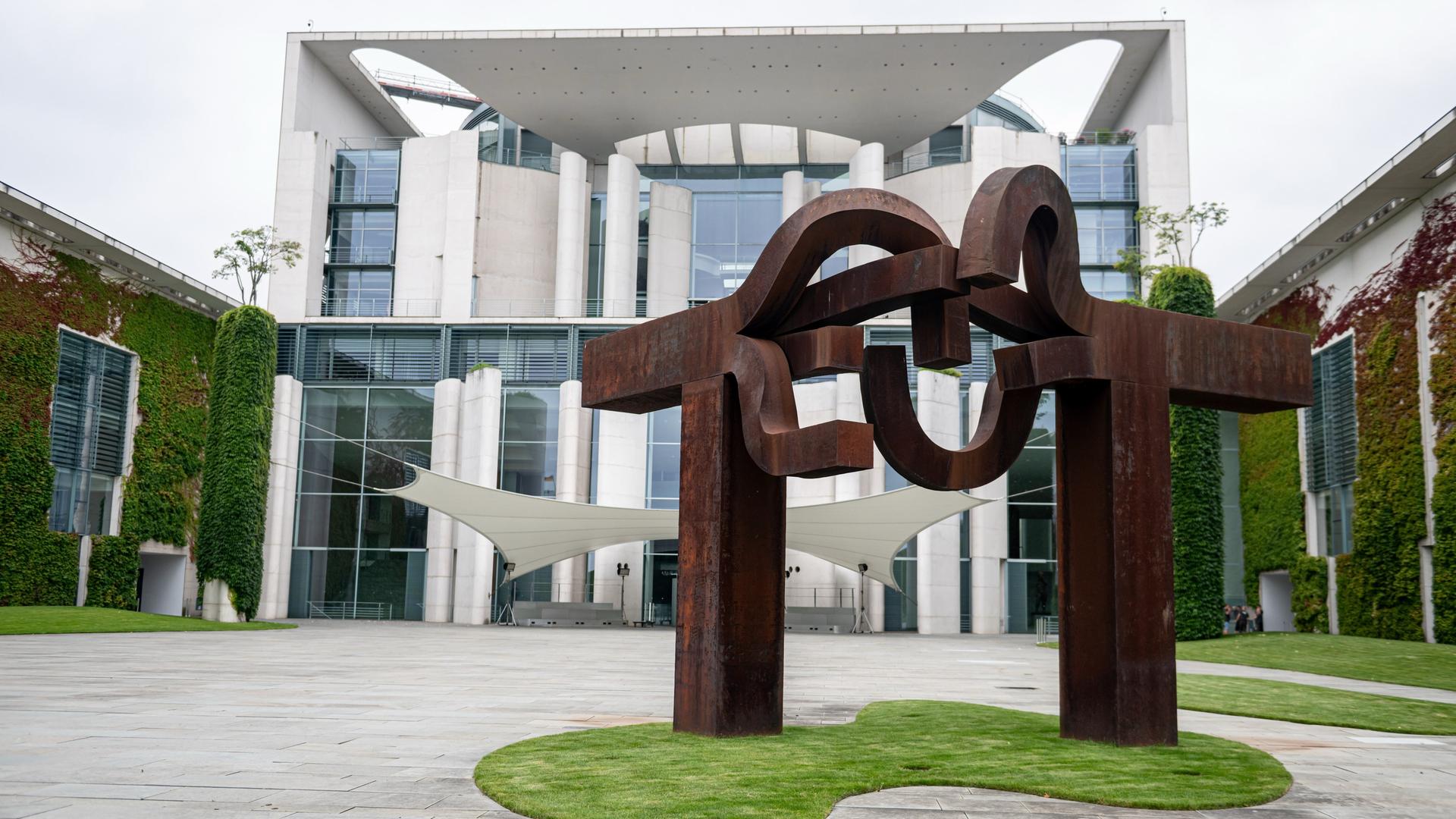
German coalition government moves to restrict citizens' right to information
The German federal government (coalition) is planning to restrict the right to freedom of information. Currently, citizens can request infor
 deutschlandfunk.de·6d ago
DPG Media Privacy Gate
rtl.nl·2d ago
Comments
Sign in to join the conversation.
No comments yet. Be the first.