





















Biologist Scott Poethig discovers molecule that keeps plants in a permanent youthful state
By
bryanrasmussen
Summary
Biologist Scott Poethig's career-defining research reveals how neoteny—the retention of juvenile features into adulthood—is surprisingly common in plants, not just animals like the axolotl. His work identifies a specific molecule that can lock plants in a youthful state, offering insights into developmental biology across kingdoms.
Source

 Hacker NewsBiologist Scott Poethig discovers molecule that keeps plants in a permanent youthful stateomnia.sas.upenn.edu
Key quotes
· 3 pulledPlants probably have more examples of neoteny than animals.
In the animal kingdom, some species live like Peter Pan: They never grow up.
This phenomenon is called neoteny, and if it happened in humans, we would look like toddlers for our entire lives.
You might also wanna read

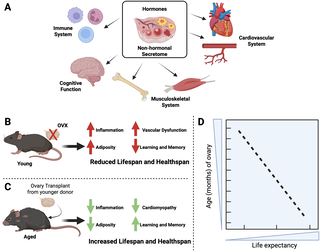
Ovarian biology as a blueprint for rejuvenation: Exploring germline immortality and somatic longevity
This essay reframes ovarian biology as a model for rejuvenation rather than solely as a site of reproductive decline. It explores how oocyte
 plos.io·24d ago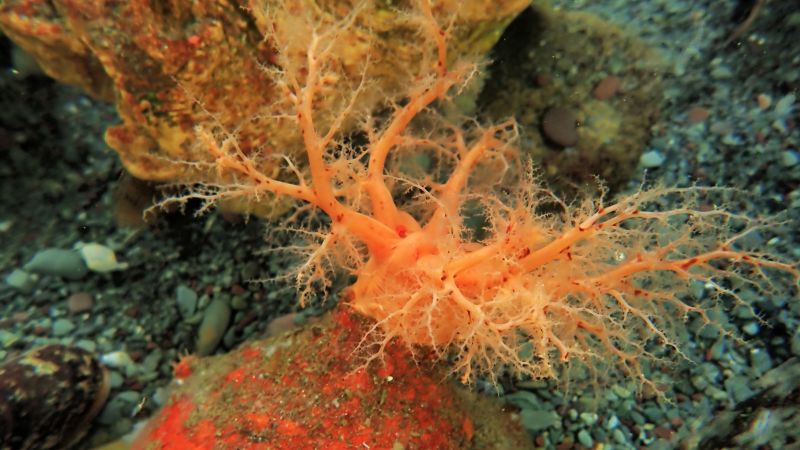
Severed sea cucumber fragments continue living and growing, surprising researchers
Researchers studying the sea cucumber Psolus fabricii from the North Atlantic made an unexpected discovery: severed fragments of the creatur
 cnn.com·21d ago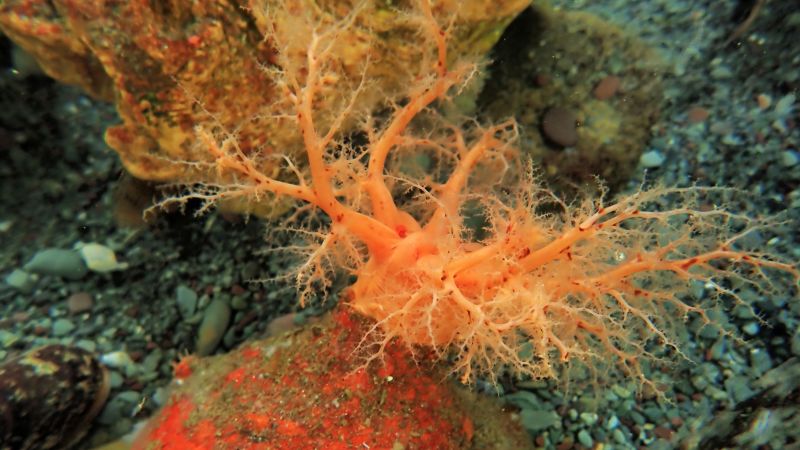
Severed sea cucumber fragments continue living and growing, surprising researchers
Researchers studying Psolus fabricii, a sea cucumber species from the North Atlantic, made an accidental discovery: severed fragments of the
cnn.com·22d ago
Lynn Margulis's endosymbiotic theory: The paper rejected by 15 journals that revolutionized biology
The article tells the story of Lynn Margulis, a young biologist whose groundbreaking 1967 paper on endosymbiotic theory — proposing that com
 spacedaily.com·20d ago
CSHL Researchers Discover Non-Repeating Biological Clock That Controls Developmental Timing
Cold Spring Harbor Laboratory researchers, led by Professor Christopher Hammell, have identified the first known non-repeating biological cl
 technologynetworks.com·15d ago
Reproductive flexibility and pollinator coupling in the carnivorous plant Utricularia damazioi from campos rupestres ecosystems
This study investigates the reproductive flexibility and plant-pollinator coupling in Utricularia damazioi, a carnivorous plant species foun
 doi.org·9d ago